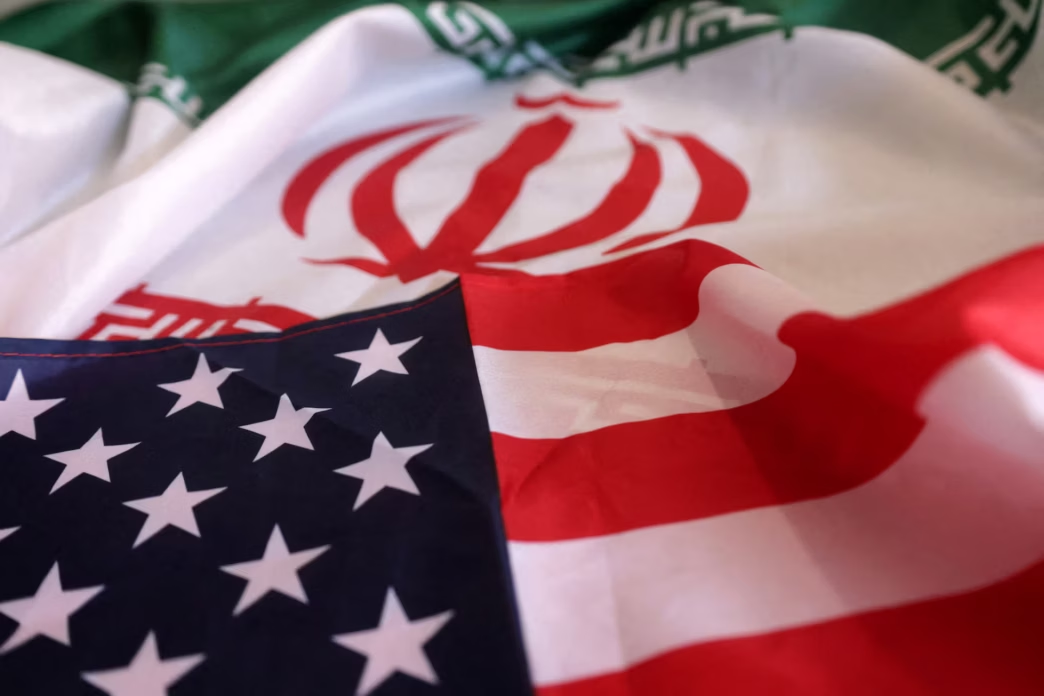
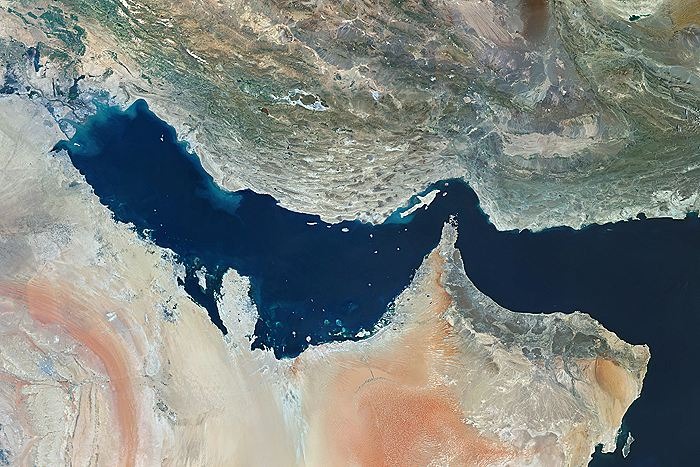
Iran announced the closure of the strategic Strait of Hormuz on Sunday, escalating tensions as new negotiations on the Middle East war were to begin in Switzerland between Iranian and US officials.
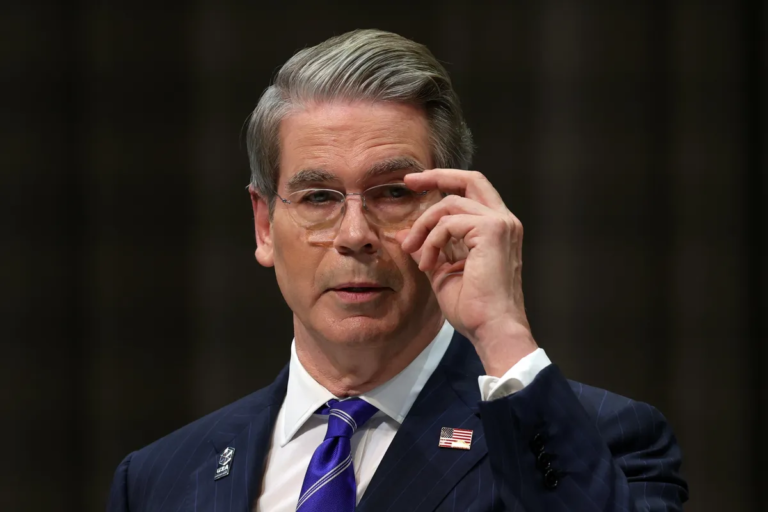
The Iranian delegation arrived in the Swiss host city hours before US Vice President JD Vance, who said ahead of the talks that Washington hoped to make progress on both the nuclear dispute and the Lebanon ceasefire arrangement. He described them as the key issues driving the negotiations.
The talks, initially scheduled for Friday, were postponed after renewed Israeli strikes in Lebanon following the deaths of four soldiers, further straining an already fragile US-brokered ceasefire involving Israel and Hezbollah.
Tehran justified its latest move by accusing Israel of violating the ceasefire and Washington of breaching commitments under the preliminary agreement. Iranian military authorities said the Strait of Hormuz would be closed to vessel traffic, raising fresh fears over global energy supplies.
US Central Command insisted that navigation through the waterway remained unaffected and said American forces were maintaining a vigilant presence in the region, while former US President Donald Trump warned of potential American-imposed tolls on the strait if talks fail.
In Switzerland, Iranian officials — including Foreign Minister Abbas Araghchi and parliamentary speaker Mohammad Bagher Ghalibaf — said they would press for implementation of agreed commitments, warning that the entire framework could collapse if conditions are not met.
The negotiations are expected to run for two months and will focus heavily on Iran’s nuclear programme alongside broader regional security concerns.
Meanwhile, fighting between Israel and Hezbollah continued in southern Lebanon, with both sides trading blame for ceasefire violations. Israeli officials reported additional casualties, while Lebanese authorities said airstrikes killed dozens and displaced civilians, further deepening the humanitarian toll.
Despite diplomatic efforts, the situation on the ground remains volatile, with neither side showing signs of fully observing the truce as tensions across the region continue to escalate.
Toyibat is a highly motivated Mass Communication major and results-oriented professional with a robust foundation in media, education, and communication. Leveraging years of hands-on experience in journalism, she has honed her ability to craft compelling narratives, conduct thorough research, and deliver accurate and engaging content that resonates with diverse audiences.
Weekly roundups. Sharp analysis. Zero noise. The NewsCentral TV Newsletter delivers the headlines that matter—straight to your inbox, keeping you updated regularly.
 Trending