Trending
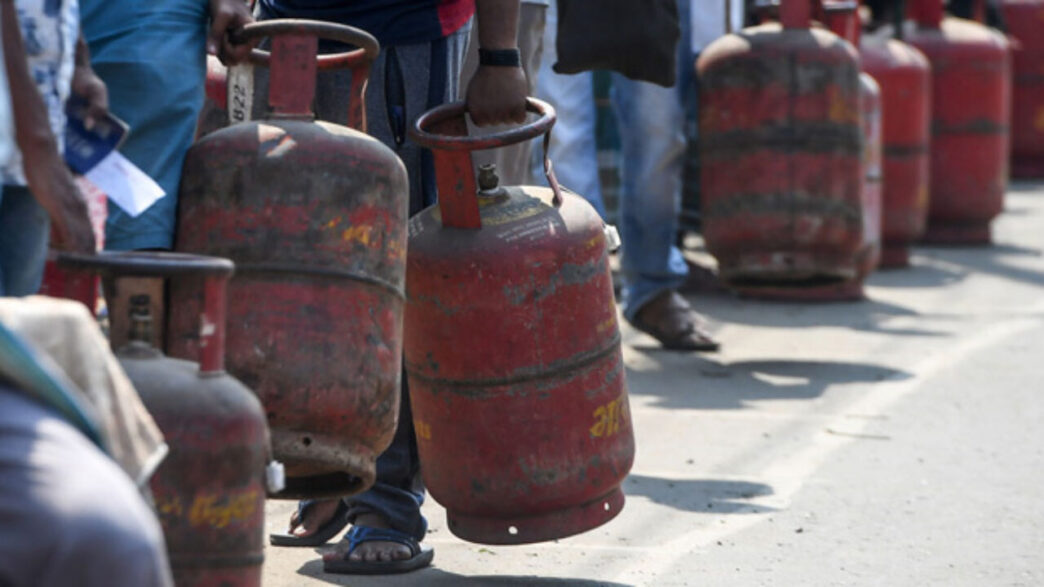
A 12.5-kilogram cylinder of cooking gas that cost N15,000 last year now sells for more than N25,000. For millions of Nigerian households, that change is reshaping daily life.
Across major cities, LPG prices have surged from between N1,000 and N1,300 per kilogram earlier this year to between N2,000 and N2,500 per kilogram, according to a survey by the News Agency of Nigeria (NAN) conducted Sunday in Lagos.
The increases have piled pressure on household budgets already stretched by inflation, rising food costs and expensive transport.
Read More : Obi Queries Tinubu’s UNGA Absence, Hails Mahama
‘We cook larger meals at once’
In Bariga, trader Adejoke Saliu described how she has adjusted her purchasing habits.
“Last year, refilling my 12.5kg cylinder cost around N15,000. Today, I spend more than N25,000 depending on where I buy it,” she told NAN.
In Ikorodu, Bose Adeyemi said her family now prepares food in larger quantities to conserve gas.
“We now cook larger meals at once to conserve gas and avoid frequent refilling,” she said.
At current prices, a 12.5kg cylinder costs between N25,000 and N31,250, placing cooking gas among the most significant monthly expenses for low-income families. Some households are buying in smaller increments.
“Many people now buy gas in two or three kilograms just to manage their monthly budgets,” Surulere resident Segun Adebayo said.
Marketers, retailers explain price surge
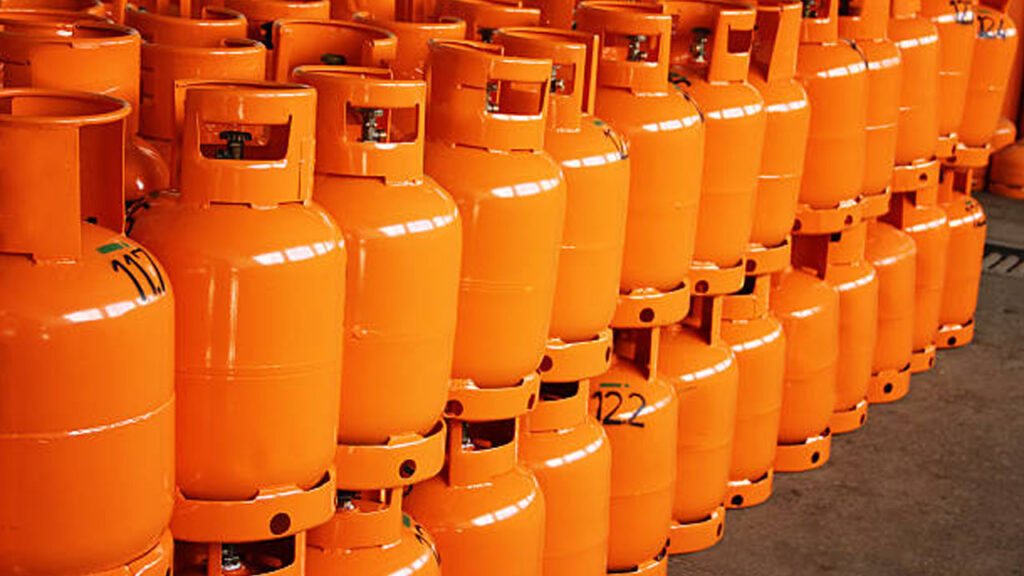
Industry operators attribute the price increases to supply constraints, foreign exchange fluctuations, logistics costs, storage limitations and rising demand.
The President of the Nigerian Association of Liquefied Petroleum Gas Marketers (NALPGAM), Edu Inyang, said marketers are facing higher depot prices, which are passed on to consumers. Retail prices in some areas now range between N2,000 and N2,500 per kilogram, he noted.
The Liquefied Petroleum Gas Retailers Association of Nigeria (LPGAR) said global market dynamics continue to influence local prices. Chairman Ayobami Olarinoye called for increased investment in LPG infrastructure, including storage and distribution facilities.
Retail operator Austin Simon in Ikeja said transportation and depot charges have increased significantly.
“Transportation, haulage, depot charges and operational expenses have all increased,” he said.
Experts warn of fuel switching
Energy economist Tunde Akinola warned that sustained price increases could drive households toward cheaper but less clean alternatives.
“When cooking gas becomes expensive, households naturally look for alternatives such as charcoal and firewood,” he said.
He called for improved supply efficiency and distribution systems to stabilise prices and ensure access to cleaner energy.
Small businesses struggle
Read More : Shettima Reiterates Calls For UN Reform
Restaurants and food vendors are also feeling the pinch. Yetunde Hassan, who runs a restaurant in Somolu, said rising gas costs have increased her operating expenses.
“We cannot continue absorbing these costs,” she said.
Stakeholders continue to call for expanded local production, improved storage capacity and enhanced distribution networks to support the LPG value chain.