Trending
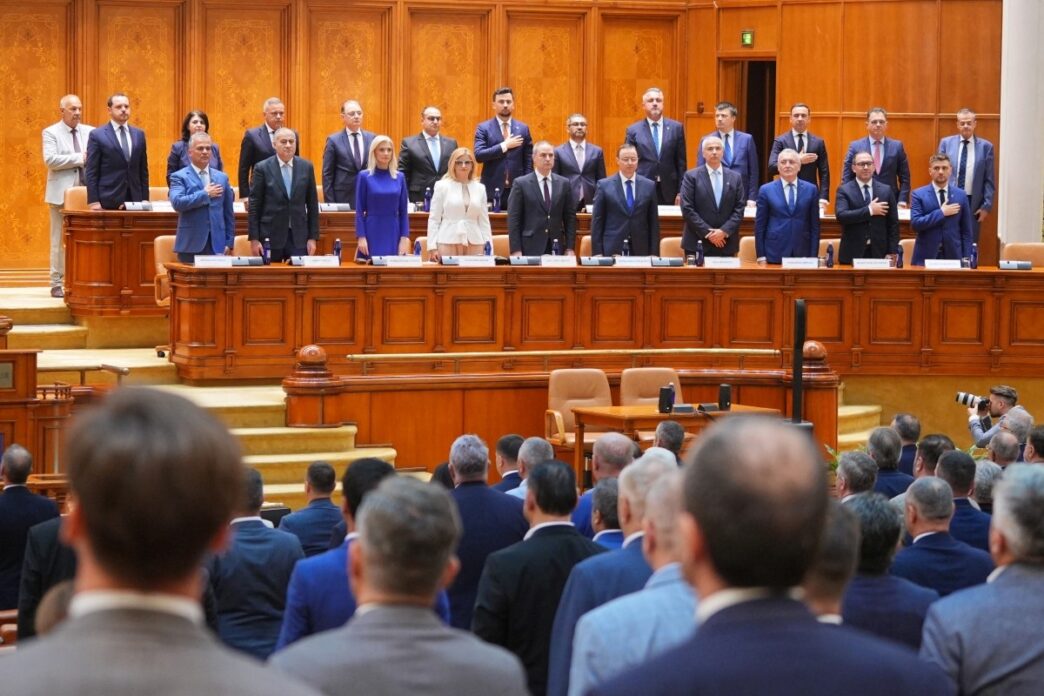
Romania’s parliament on Monday rejected liberal politician Adrian Vestea as prime minister-designate, deepening a political crisis that has gripped the European Union and the North Atlantic Treaty Organisation (NATO) member state in recent months.
Vestea, who was nominated by President Nicusor Dan, failed to secure the 233 votes required in both chambers of parliament to form a government, receiving only 189. The vote followed a day of debate on his proposed cabinet, with some lawmakers leaving the chamber before voting commenced.
The setback comes after former Prime Minister Ilie Bolojan lost a no-confidence vote in May, with support from lawmakers in the centre-left and far-right opposition.
Read More : No Military Solution to Conflict With US – Iran
After an earlier nominee withdrew from consideration, President Dan appointed Vestea on June 14 to attempt to form a new administration. However, Vestea struggled to build support, with members of his own Liberal Party, led by Bolojan, refusing to back his candidacy and reportedly threatening disciplinary action if he proceeded.
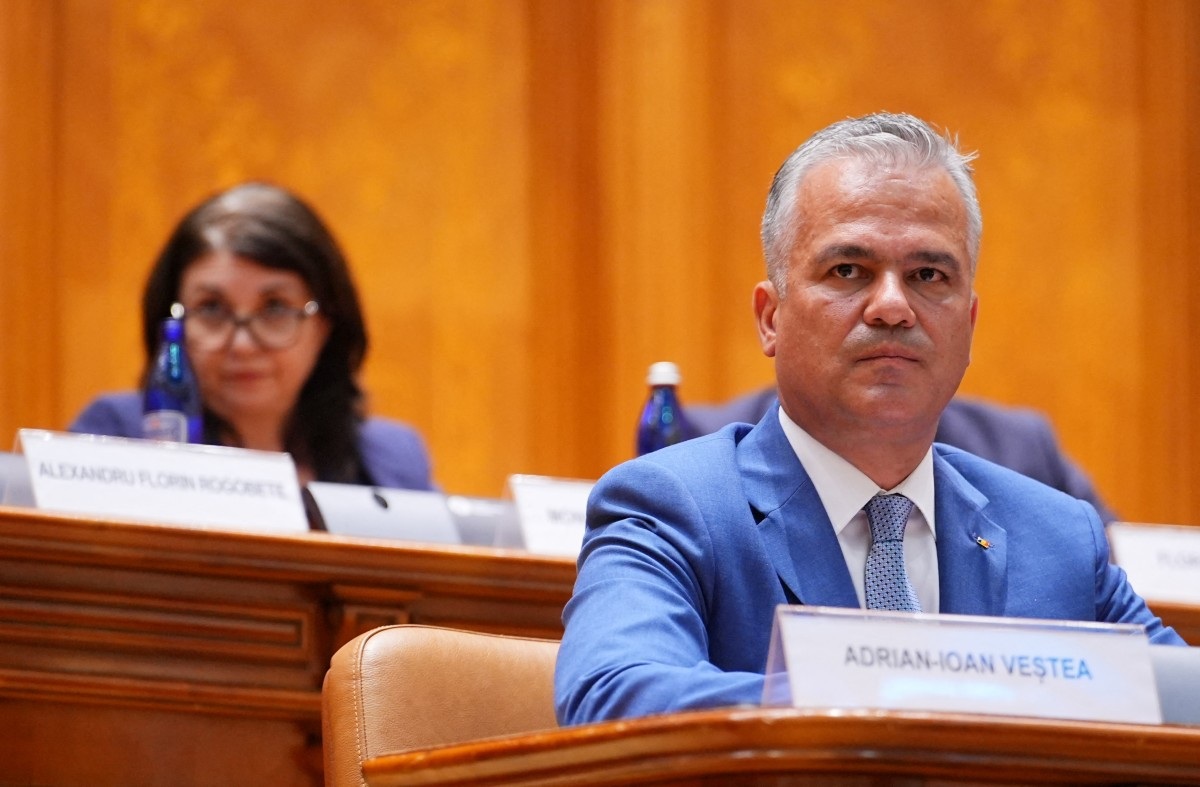
A former mayor, regional administrator and development minister, Vestea had sought support from pro-Western parties in parliament while also engaging in discussions with the far-right Alliance for the Union of Romanians (AUR) party, which is critical of the European Union.
Following the vote, Vestea said he had fulfilled his responsibilities and warned that Romania’s prolonged political deadlock was damaging the country’s access to European funds and undermining public confidence.
He also suggested that opposition resistance, particularly from AUR, had contributed to the failure of his bid to form a government.
The latest political impasse follows the collapse of Bolojan’s coalition government after the centre-left Social Democratic Party withdrew from the ruling alliance and joined far-right parties in voting against the administration.
President Dan has repeatedly ruled out any governing arrangement that includes the far right.
Analysts say the president must now nominate another prime ministerial candidate. A second rejection by parliament could trigger early elections, a scenario some observers warn could deepen economic uncertainty and further strengthen support for the far-right opposition.