Trending
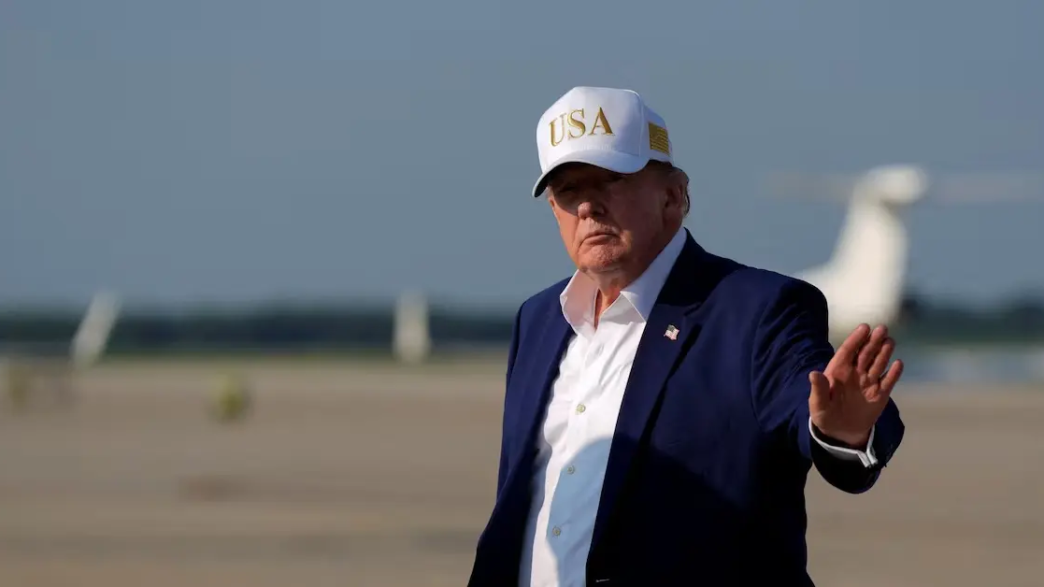
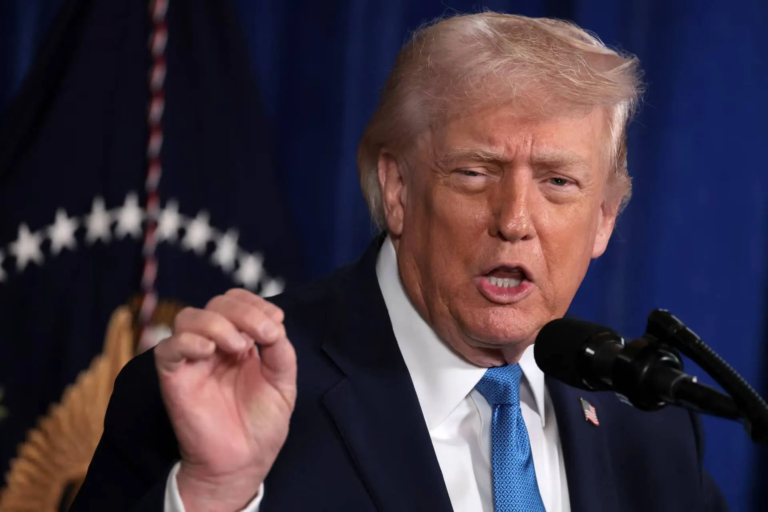
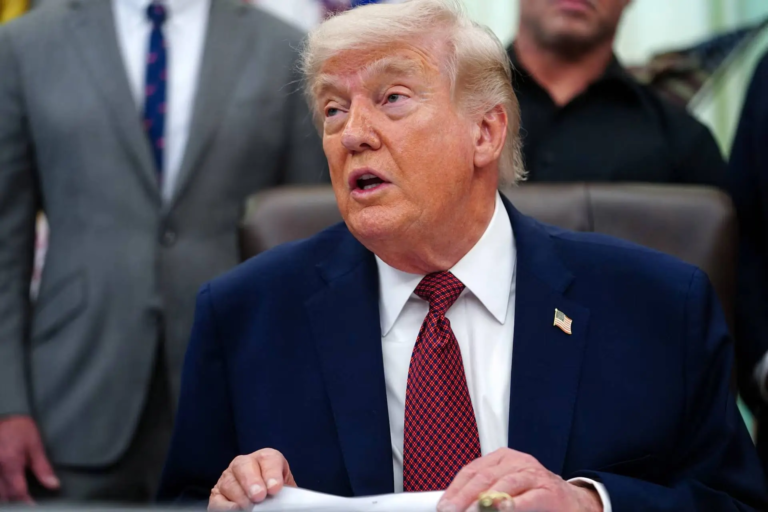
United States (US) President Donald Trump has ordered a major reduction in joint military exercises with South Korea, saying he is unhappy with the drills and their cost.
Trump announced the decision on Sunday, one day before the annual Ulchi Freedom Shield exercise was due to begin.
“Based on my very good relationship with Kim Jong Un, of North Korea, I am not happy with the fact that the United States has, long ago, agreed to participate in Joint Military Exercises with South Korea,” Trump wrote on his Truth Social platform.
Read More : Texas Man Executed Decades After Fatal Robbery
He said the exercises were costly and sent an “inappropriate and hostile” signal to North Korea, which he described as having remained “unthreatening and respectful” during his presidency.
Trump said it was too late to cancel the drills completely but directed Defence Secretary Pete Hegseth to “substantially reduce” them.
The 11-day Ulchi Freedom Shield exercise is designed to prepare South Korean and US forces to respond to a potential North Korean attack.
The drills involve about 18,000 South Korean troops, alongside US forces drawn from the roughly 28,500 American troops stationed in South Korea.
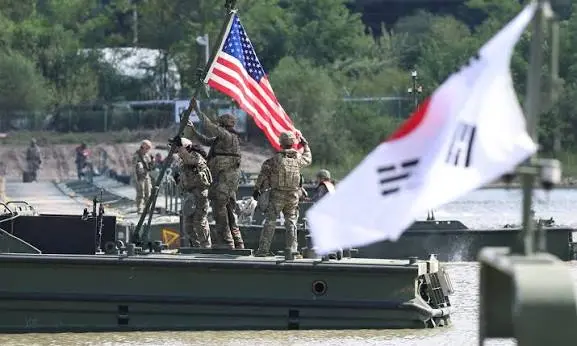
The exercise will place greater emphasis on drone warfare, GPS disruption and cyber attacks.
US and South Korean forces will also simulate combat against North Korean troops who have gained battlefield experience through their deployment in Russia’s war against Ukraine, according to Colonel Ryan Donald, a spokesman for the Combined Forces Command.
North Korea has long condemned the annual exercises, describing them as preparations for an invasion.
Trump held historic talks with North Korean leader Kim Jong Un during his first term, but the negotiations failed to produce an agreement on Pyongyang’s nuclear weapons programme.
The two leaders last met in person in 2019.
Read More : Three Killed in Saudi Airport Attacks
Meanwhile, South Korean President Lee Jae Myung has taken a softer approach towards North Korea since taking office in June 2025, offering talks without preconditions.
Pyongyang has yet to respond to his repeated offers.
The two Koreas remain technically at war, with their 1950-1953 conflict ending in an armistice rather than a formal peace treaty.