Trending
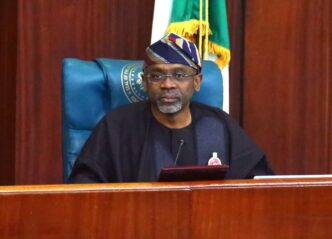
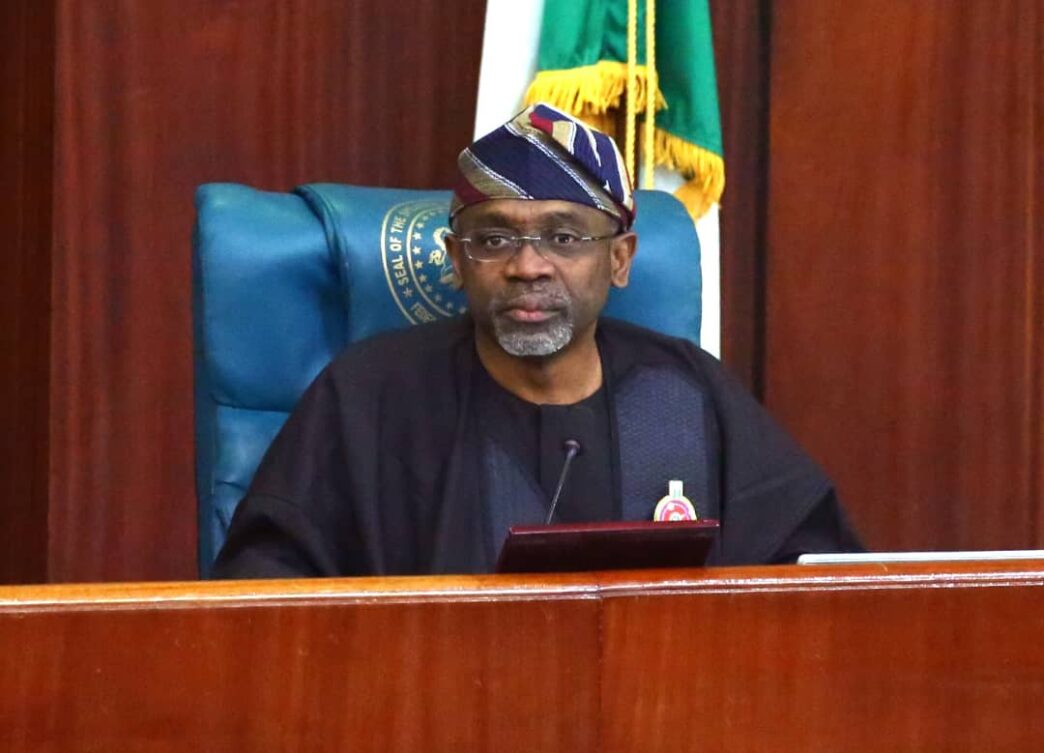
The Nigerian government has indicated plans to review the national minimum wage, acknowledging that the current N70,000 benchmark no longer reflects prevailing economic realities, officials said on Thursday.
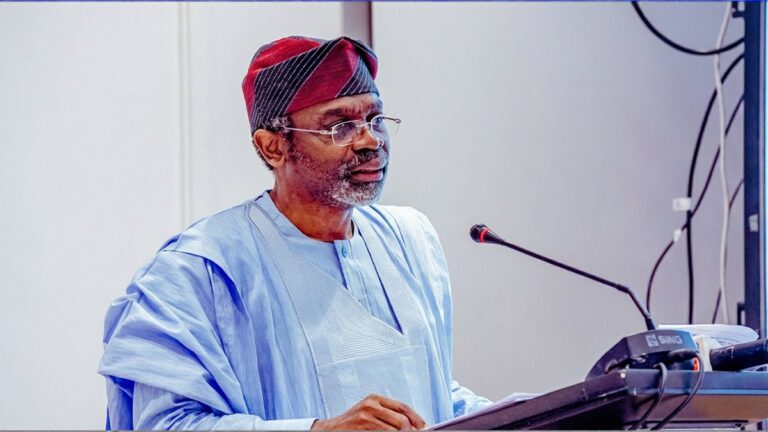
The Chief of Staff to the President, Femi Gbajabiamila, disclosed this at the Good Governance Summit 2026 organised by Working People United (WoPU) in Abuja.
“The N70,000 wage, which was a milestone in 2024, must be honestly reassessed against today’s realities,” Gbajabiamila said.
Read More : Atiku Demands Immediate Minimum Wage Hike
“And I can confirm to you that when the time comes to begin the process of reviewing the national minimum wage, this administration will approach that endeavour not as an adversary of labour but as a partner.”
The current wage, signed into law in July 2024, more than doubled the previous N30,000 benchmark.
The administration had shortened the review cycle from five years to three years, recognising that “the cost of living does not stand still”.
The move comes as inflation and rising living costs continue to erode workers’ purchasing power. Labour unions have already signalled their intention to push for a “genuine living wage”.
Organised labour warned earlier that the current framework fails to reflect today’s economic realities, which are driven by sharp increases in food, transport, housing, and healthcare costs.
Gbajabiamila urged organised labour to continue communicating with the government, emphasising that collaboration, rather than conflict, would yield better outcomes for both the economy and workers.
Minister of Labour and Employment Muhammad Dingyadi said the true measure of governance is the extent to which policies translate into “improved livelihoods, decent work, increased productivity, social protection, economic opportunities, and dignity for the working people”.
The review, expected to begin in July 2026 in line with the three-year review cycle, comes as workers and employers prepare for negotiations that could reshape Nigeria’s wage structure amid persistent economic challenges.