Trending
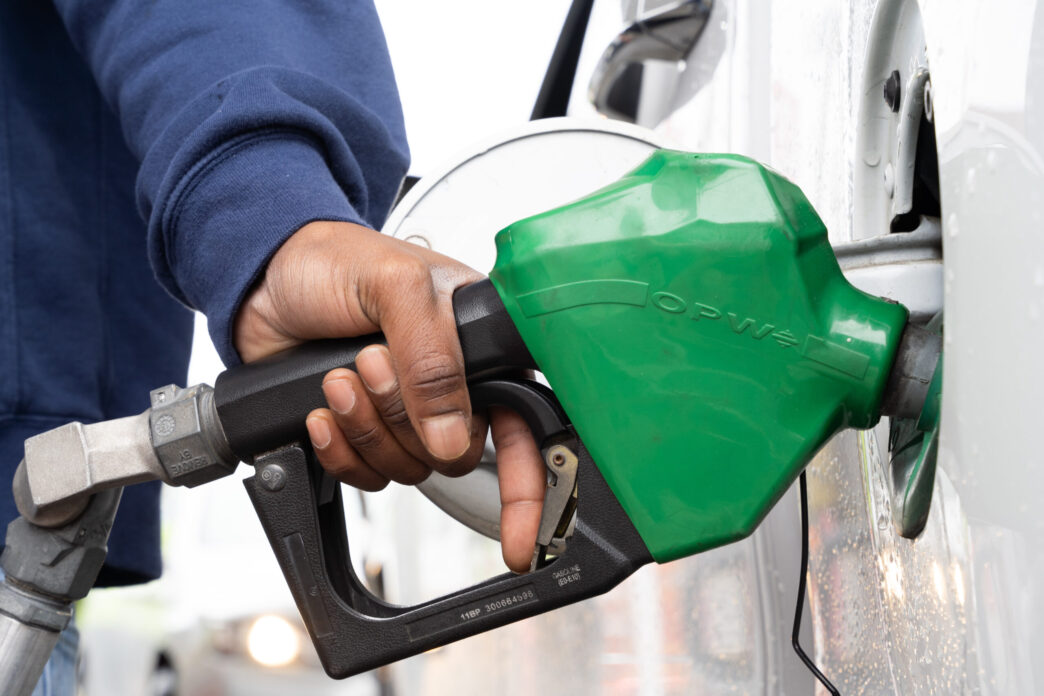
Fuel marketers have warned that they cannot operate in a deregulated market with regulated prices and have announced that their filling stations will cease selling petrol should the government attempt to enforce price control.
As tensions rise in the downstream industry, Chinedu Ukadike, National Publicity Secretary of the Independent Petroleum Marketers Association of Nigeria (IPMAN), issued the warning on Tuesday.
“Marketers will shut down if they try somehow to enforce price control. We are going to shut down our stations nationwide. You can’t be regulating a deregulated market. You can’t tell me how much to sell my product without trying to know how much I bought it,” Ukadike said.
Read More : Tinubu Seeks Senate Approval For Research Fund
His warning came a day after Minister of State for Petroleum Resources (Oil), Heineken Lokpobiri, said deregulation did not mean the government should abandon its responsibility to protect consumers from profiteering.
Lokpobiri spoke on Monday in Abuja at the opening ceremony of the 2026 General Counsel and Legal Advisers Forum organised by the Nigerian Midstream and Downstream Petroleum Regulatory Authority (NMDPRA).
His remarks came in response to renewed public concerns over the failure of refiners and importers to lower gantry prices even as crude prices fell from a high of $120 during the US-Iran war to as low as $72 a barrel.
Ukadike denied allegations of profiteering, saying many marketers are running into losses following a series of price reductions by the Dangote refinery.
“We, the independent marketers, are losing money. We bought petrol at a particular rate a few days ago; on our way to our filling stations, there was a reduction. We have been struggling with the price. We have been struggling against financial losses. We are also struggling against stagnation due to low patronage of our products. Because those marketers who are purchasing now are purchasing at a lower price, and they are selling cheaper,” he said.
“If you don’t bring down your price, you cannot see buyers. This is the beauty of deregulation. If you cannot compete, you will not survive in the market. And because most of us are trading on bank loans, the bank does not know when the price goes up or goes down. Their interest rate is fixed; their return on investment is fixed. So, you must pay them. This is the situation we find ourselves in.”
“By the time more products come in, you will see that the prices will go down. What we, independent marketers, are asking for is not about regulation or trying to bring price control or trying to force marketers to sell below or trying to force Dangote to sell below its production cost. What we are asking is to open up the various channels, boost importation, and let local refineries start refining. This will push the competition to the peak. With this, prices will drastically go down.”
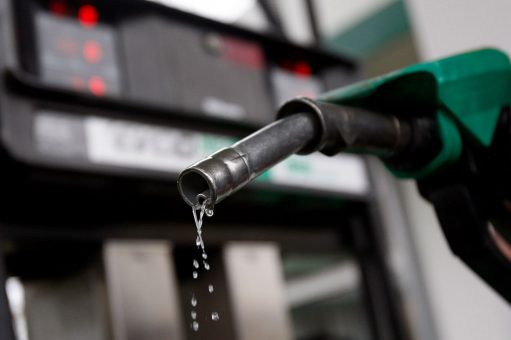
He argued that competition, rather than price control, would bring down costs for consumers.
“The primary cause of this is that there is no competition. If there should be competition, the refineries will be working. That is where the minister should put his energy to ensure that our local refineries or whatever partnership we have with the Chinese will work. It is not about going to filling stations to check who is selling at higher prices,” Ukadike said.
“Do you know how much I bought the fuel for? Can you have a regulated market in a deregulated economy? You can’t be blowing hot and cold at the same time. The PIA must be followed to the letter. If they try to enforce price control, we will shut down.”
The National President of the Petroleum Products Retail Outlet Owners Association of Nigeria (PETROAN), Billy Gillis-Harry, said the minister has the power to intervene but must do so in consultation with stakeholders.
“The minister of petroleum has the power to intervene in ensuring that Nigerians are treated fairly. The NMDPRA has the power, and so does the FCCPC. However, these decisions to discipline or not to discipline should follow stakeholder practice,” Gillis-Harry said.
He urged the minister to convene a meeting of all stakeholders “to unravel what the scenario is and what the situation is and make a decision that is beneficial for Nigerians.”
Read More : Tinubu Ends Vacation, Heads to Lagos
Petrol currently sells for between N1,140 and N1,210 per litre, depending on location.
The NMDPRA spokesman, George Ene-Ita, told Punch that he had not yet been briefed on the agency’s planned action regarding the matter.
“I’ve not been briefed. I don’t know the action the management wants to take,” Ene-Ita replied.