Trending


Nigeria’s petroleum minister has directed marketers to lower fuel pump prices immediately to reflect the recent decline in global crude prices, warning that deregulation would not be permitted as a cover for profiteering.
Heineken Lokpobiri, Minister of State for Petroleum Resources, gave the directive at the 2026 Nigerian Midstream and Downstream Petroleum Regulatory Authority (NMDPRA) General Counsel and Legal Advisers Forum in Abuja on Monday.
“Following the de-escalation of tensions between Iran and the United States, we expected to see commensurate downward adjustment in the prices of PMS and other petroleum products,” Lokpobiri said.
Read More : Tinubu Seeks Senate Approval For Research Fund
“However, that has not yet happened. While we believe that market forces will eventually restore equilibrium, the regulator also has a statutory responsibility to ensure that deregulation does not become an avenue for profiteering. This must be done in line with the extant provisions of the Petroleum Industry Act (PIA).”
Global crude prices have dropped to about $73 per barrel following the ceasefire between the United States and Iran and the reopening of the Strait of Hormuz, down from a peak of about $120 per barrel in April.
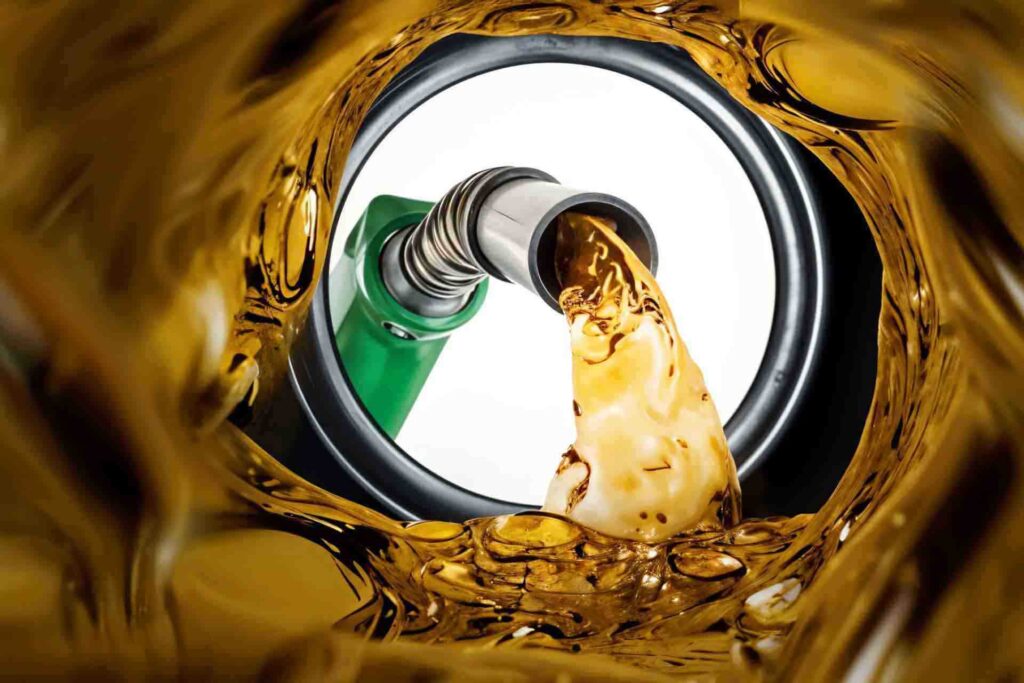
Despite the slump, petrol still sells for between N1,250 and N1,360 per litre in many parts of Nigeria.
The Federal Competition and Consumer Protection Commission (FCCPC) has also warned operators against exploiting consumers, noting that reductions in gantry prices have been “marginal and far below” current crude prices.
“We are concerned that while dealers often respond swiftly by hiking pump prices whenever crude prices rise, it is curious that it is taking forever for consumers to benefit significantly when crude prices fall,” the commission said.
Energy analysts have defended the delay, citing structural factors including replacement costs, foreign exchange rates, and inventory purchased at higher prices before the crude slump.
“Price increases tend to move like an elevator, while price reductions often descend like a staircase,” said Professor Wumi Iledare, an energy economist.
“This is because products in storage were purchased at earlier higher prices, and immediate cuts could create losses and threaten supply stability,” he added.
Read More : Tinubu Ends Vacation, Heads to Lagos
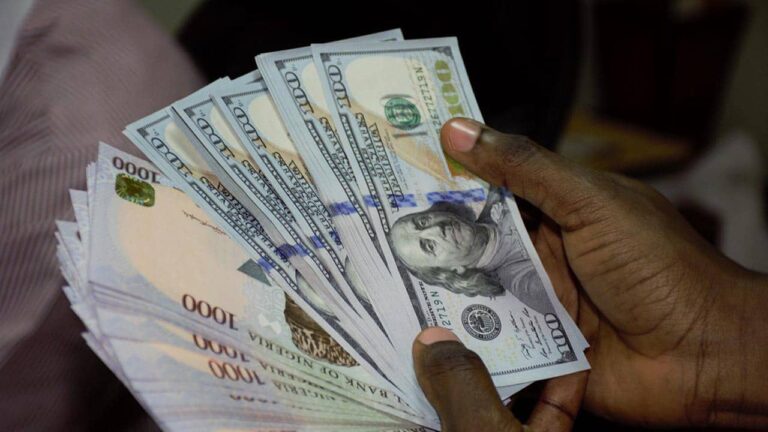
He noted that “since petroleum products or their production inputs are largely priced in U.S. dollars, any depreciation of the naira can substantially offset the benefits of declining crude oil prices”.
The minister said the sector is fully deregulated under President Bola Tinubu‘s reforms, which paved the way for the operationalisation of the Dangote Refinery and ended artificial product scarcity.
“Compliance is the foundation. Regulatory certainty is the ceiling we must now be building toward,” Lokpobiri said.