Trending
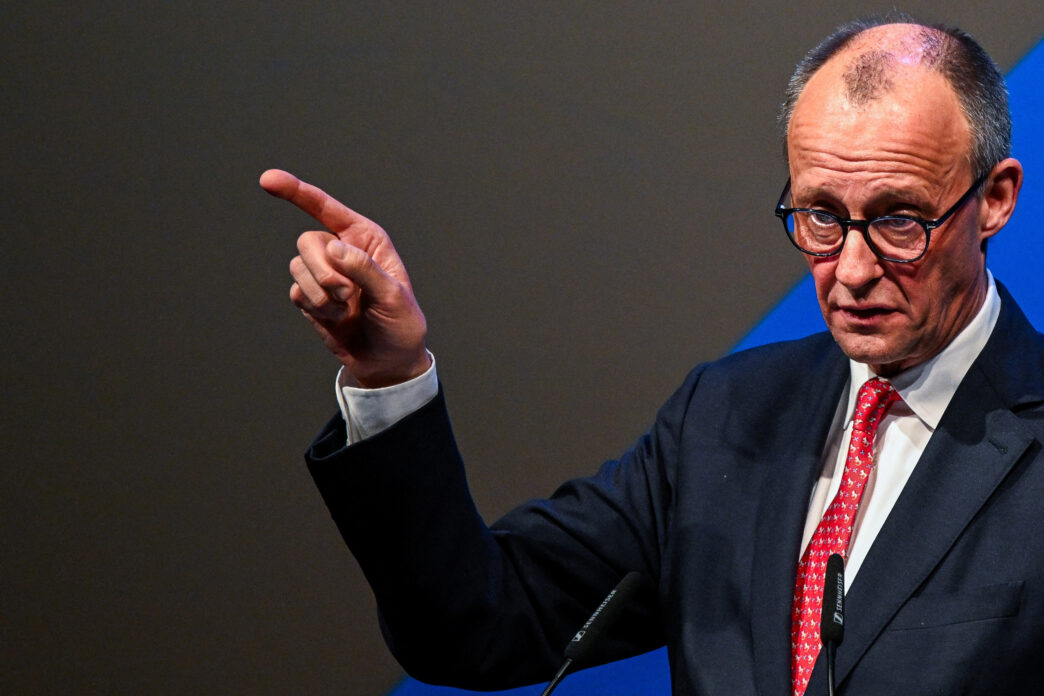
German Chancellor Friedrich Merz has announced a major overhaul of the country’s labour regulations, introducing a requirement for workers to submit a medical certificate from the first day of illness, in a move aimed at curbing rising absenteeism and improving economic performance.
The policy removes the existing system that allowed employees to obtain sick notes through telephone consultations, a change Berlin says is necessary to address what it describes as excessive workplace absences weighing on the economy.
“We can no longer accept the extraordinarily high levels of sick leave in our companies,” Merz said, framing the decision as part of efforts to restore competitiveness in a slowing economic environment. He added that Germany “can no longer afford this competitive disadvantage caused by prolonged absences from work.”
Read More : Putin Vows to “Do Everything” to End Iran War
Under the new rule, workers will be required to obtain immediate medical documentation from a doctor upon taking sick leave. Government officials argue that the reform is intended to tighten labour discipline and reduce productivity losses linked to extended absenteeism.
However, the move has drawn strong criticism from medical professionals. Markus Blumenthal-Beier, head of the German Association of General Practitioners, warned that the measure could be “absolutely catastrophic,” arguing it risks overwhelming already-strained healthcare services.

The reform is part of a broader economic package by the conservative-led coalition, which also includes €10 billion in annual tax relief for lower-income households. To offset the fiscal impact, the government plans to raise the top income tax rate to 47 per cent for high earners and reduce federal ministry staffing by 8 per cent through digitisation and efficiency drives.
Read More : US Hits Maduro, Wife With New Torture Charges
Additional proposals include stricter measures against benefit fraud and a pension reform blueprint featuring a Swedish-style fund and a gradual rise in retirement age. Labour unions have criticised aspects of the package, warning that changes to pension contributions could increase hiring costs and disproportionately affect physically demanding jobs.
Germany’s economic outlook remains subdued, with growth forecasts cut to 0.5 per cent for 2026 and 0.9 per cent for 2027. Export-driven industries continue to face pressure from global competition, particularly from China, as well as geopolitical tensions stemming from conflicts involving Ukraine and Iran.
While some financial analysts have welcomed the structural reforms, critics, including economists at the Ifo Institute, caution that tax cuts may be difficult to sustain without deeper spending reductions.