Trending
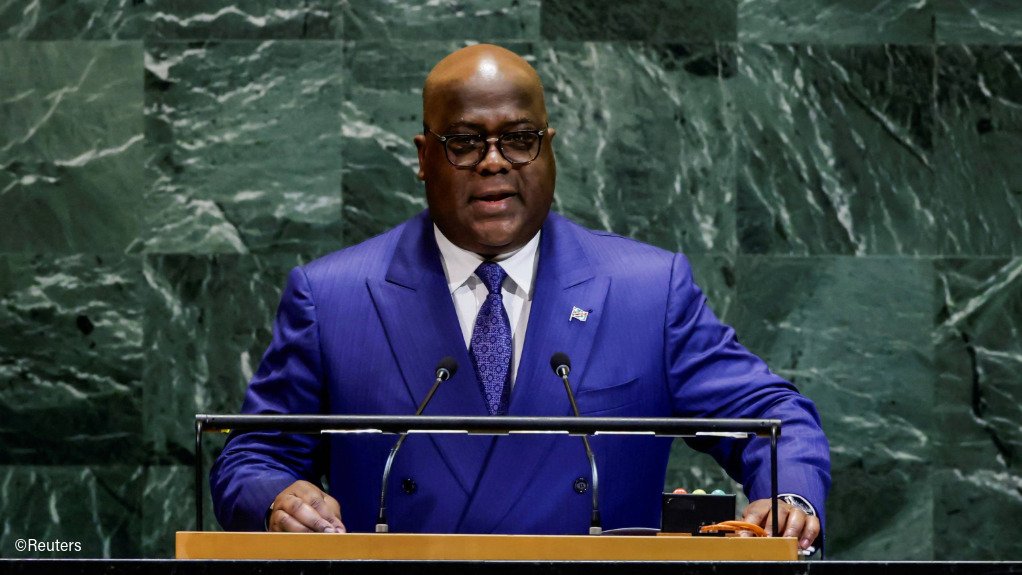
Opposition parties and government critics in the Democratic Republic of Congo (DR Congo) have called on citizens to demand President Félix Tshisekedi’s resignation, accusing him of attempting to extend his term in office through constitutional amendments.
Tshisekedi, 63, came to power in 2019 in the mineral-rich Central African nation, which has been plagued by decades of armed conflict and political instability. Under the current constitution, his second and final five-year term is due to end in 2028.
However, during a press conference in May, Tshisekedi appeared to confirm months of opposition claims that he was open to seeking a third term.
Read More : France to Step Up Ebola Funding in DR Congo
“If the people want me to have a third term, I will accept,” Tshisekedi, popularly known as “Fatshi,” said.
The controversy centres on a bill establishing the framework for a referendum on proposed constitutional amendments. Parliament, where the presidential coalition enjoys an overwhelming majority, passed the bill last month.
On Tuesday, Tshisekedi announced that he had “referred this law to the Constitutional Court for review of its constitutionality.”
The Constitutional Court‘s review is the final step before the president decides whether to sign the bill into law. However, the court’s independence has repeatedly come under scrutiny.
“Over the years, the perceived politicisation of certain judicial bodies, particularly the Constitutional Court, has fuelled debate over how effective this independence truly is,” the Ebuteli Centre said in a recent report.
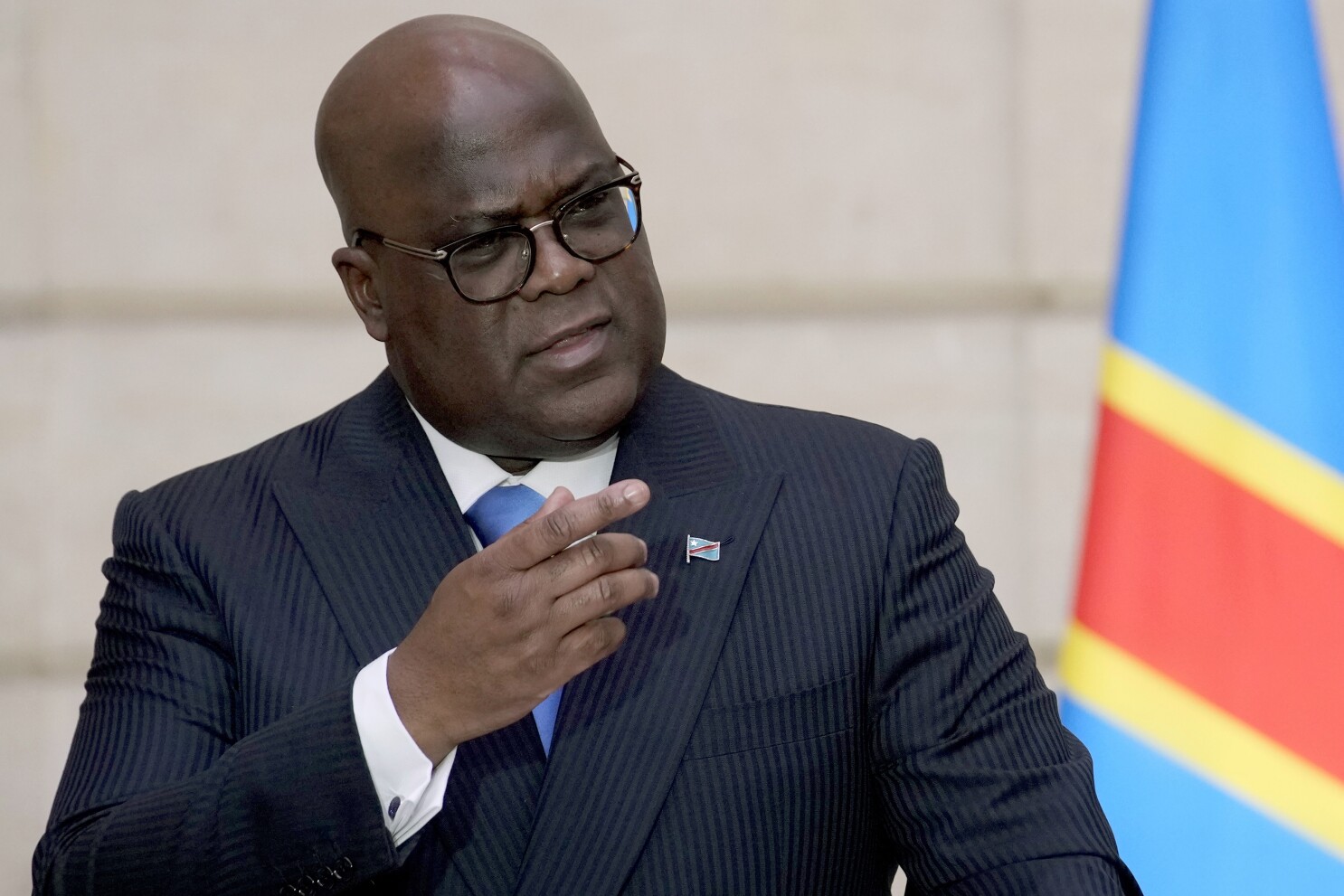
The proposed constitutional changes have galvanised an opposition that was left weakened and fragmented following the 2023 presidential election, which Tshisekedi won with 73 per cent of the vote.
In May, opposition figures formed the C64 coalition, named after Article 64 of the Congolese Constitution, which grants citizens the right to oppose any unconstitutional seizure of power.
The coalition includes former presidential candidate and ex-Katanga governor Moïse Katumbi, who now lives in exile, as well as former minister and lawmaker Delly Sesanga and opposition leader Martin Fayulu, who also contested the 2023 election and continues to maintain that he won the disputed 2018 presidential poll.
“History will be unforgiving towards those who chose ambitions of power over the defence of the nation,” Sesanga said recently.
Fayulu also vowed to resist any attempt to amend the constitution.
“We will not give in; we are ready to do whatever it takes for the good of the nation,” he said.
Sesanga and Fayulu were injured during an opposition rally in Kinshasa on June 12 against what they described as a “constitutional coup d’état,” after clashes broke out between pro-government supporters, opposition protesters and police.
The United Nations said at least one protester was killed during the violence.
Read More : DR Congo Ebola Deaths Surpass 4,000
Congolese political analyst Trésor Kibangula said growing opposition to constitutional amendments could help unite the fragmented opposition and “allow the opposition to regain levers for political remobilisation.”
Political observers note that public pressure has influenced constitutional debates in the past. In 2015, sustained street protests and international pressure forced former President Joseph Kabila to abandon plans to extend his rule beyond the constitutional two-term limit by amending the electoral law.
Despite the renewed mobilisation, public political engagement remains relatively low in the country of about 100 million people. Voter turnout in the 2023 presidential election stood at just 43 per cent.