Trending
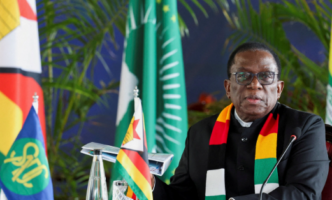
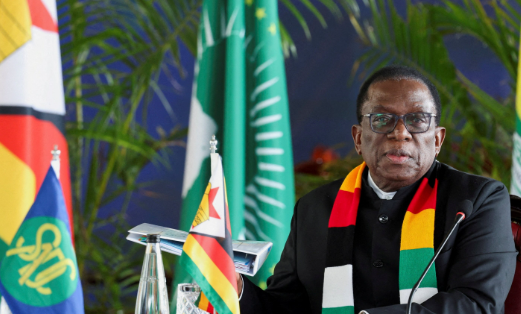
President Emmerson Mnangagwa of Zimbabwe has officially enacted constitutional amendments that will extend his presidential term by two years, now lasting until 2030.
The amendments have triggered criticism from opposition groups, who say the changes weaken democracy and strengthen the grip of Mnangagwa’s ruling Zanu-PF party.
The reforms also remove direct presidential elections and allow parliament to appoint the president, replacing a system introduced in 1987.
“SIGNED, SEALED AND DELIVERED — IT’S NOW LAW,” Information Ministry senior official Nick Mangwana announced in a post on X, alongside a copy of the new act.
SIGNED, SEALED AND DELIVERED- IT’S NOW LAW#CAA pic.twitter.com/1L27g92EJc
— Nick Mangwana (@nickmangwana) July 7, 2026
The constitutional changes increase presidential and parliamentary terms from five years to seven years.
Critics have described the move as a “constitutional coup,” accusing the government of trying to extend Zanu-PF’s hold on power in the resource-rich country.
Read More : Zimbabwe Helicopter Crash Leaves No Survivors
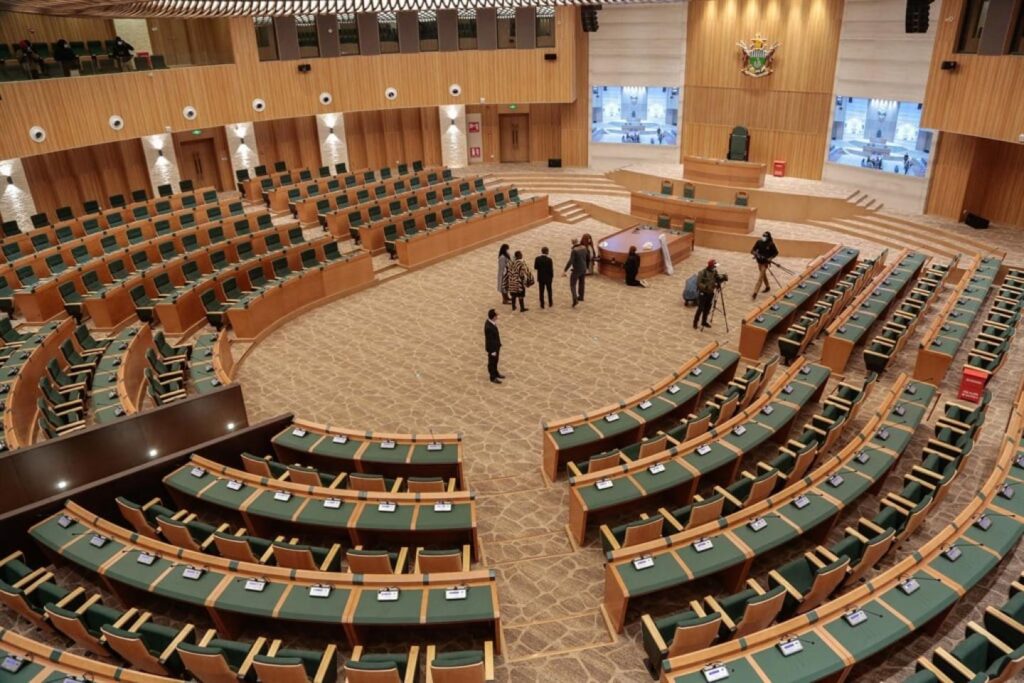
The amendments passed through both chambers of parliament before being approved by the National Assembly last week.
Zimbabwe’s opposition parties have argued that the changes could further limit political competition in a country where Zanu-PF has ruled since independence in 1980.
Mnangagwa, popularly known as “The Crocodile,” came to power in 2017 after a military-backed coup removed longtime leader Robert Mugabe, who ruled Zimbabwe for 37 years.