Trending
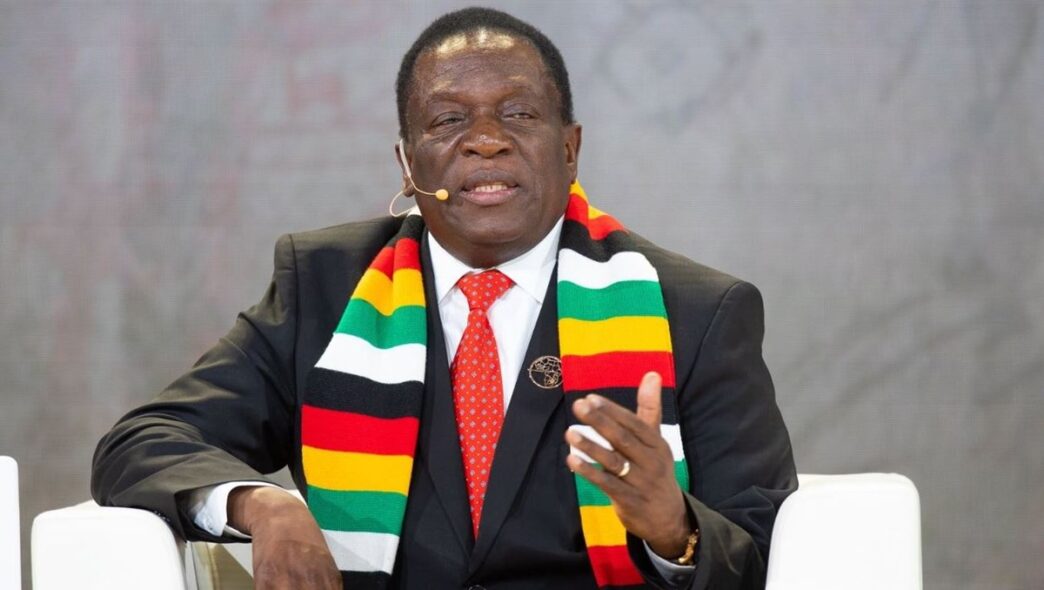
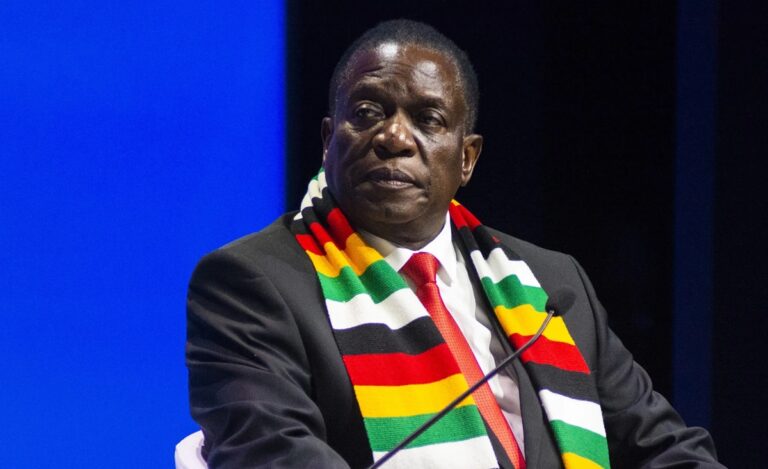
Zimbabwe’s opposition has vowed to challenge newly approved constitutional amendments that extend President Emmerson Mnangagwa’s tenure and replace direct presidential elections with parliamentary appointments.
The amendments, signed into law by Mnangagwa on Tuesday after securing parliamentary approval, have drawn sharp criticism from opposition groups, who say they undermine democracy and entrench the ruling ZANU-PF’s hold on power.
The newly formed People’s Coalition said it would challenge the legislation in Zimbabwe’s Constitutional Court while also seeking intervention from international bodies, including the United Nations and the African Union.
Coalition leaders also called on Zimbabweans to mobilise in opposition to the constitutional changes, arguing that the amendments violated the country’s constitution.
Under the new law, presidential and parliamentary terms will be extended from five to seven years, allowing Mnangagwa to remain in office for two additional years beyond the expiration of his second and final constitutional term in 2028.
The legislation also abolishes direct presidential elections, transferring the power to appoint the president to parliament.
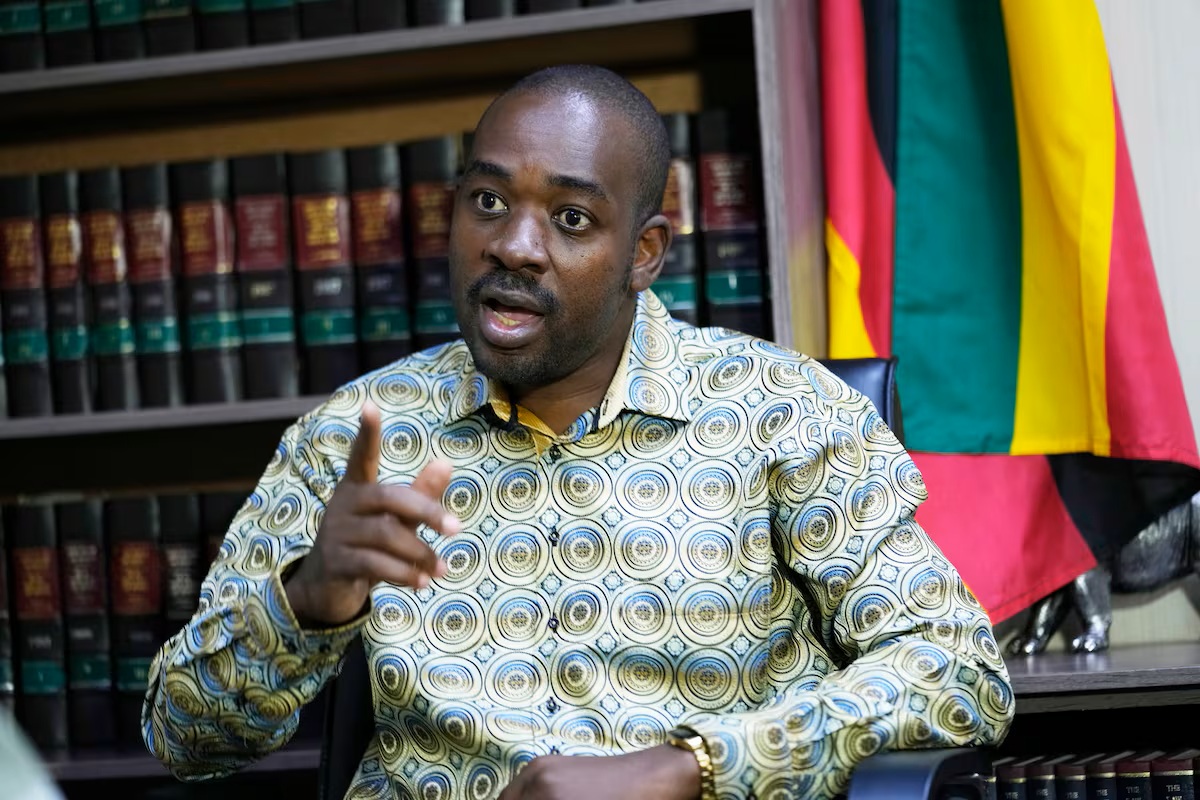
Mnangagwa assumed office in 2017 after a military-backed intervention that ended the 37-year rule of former President Robert Mugabe.
The government has defended the constitutional changes, saying they are intended to promote political stability and policy continuity.
However, opposition leaders insist the amendments weaken democratic institutions and further consolidate ZANU-PF’s decades-long control of government.
Nelson Chamisa, an opposition leader who lost to Mnangagwa in 2023 in what he described as a fraudulent election, said opposition voices must unite.
“Today, we face a common challenge: oppression,” he said. “We are organizing… Be and get ready.”
The opposition Movement for Democratic Change party also called for mass mobilisation and said it would ask the African Union and regional grouping SADC to intervene.
Read More : Zimbabwe Helicopter Crash Leaves No Survivors
“Zimbabwe cannot be allowed to slide into constitutional dictatorship in silence,” it said.
The constitutional changes come as continued concerns heighten over Zimbabwe’s political climate, with critics accusing the government of suppressing dissent and restricting political freedoms.
While the country recorded stronger economic growth in 2025, poverty remains widespread, with a significant proportion of the population continuing to live in extreme poverty.