Trending
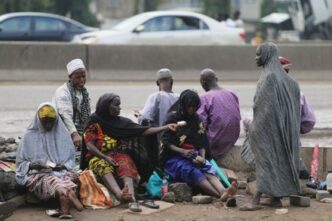
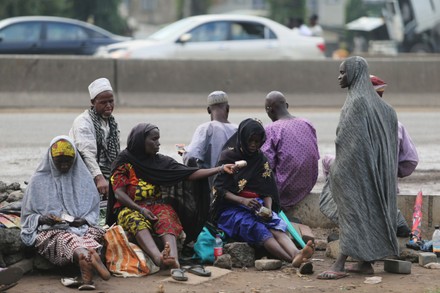
The Lagos State House of Assembly on Wednesday passed for second reading a bill seeking to prohibit street begging across the state, with lawmakers arguing the measure would strengthen security, improve public order and promote environmental sanitation.
The proposed legislation, which passed its first reading earlier, aims to address what lawmakers described as a long-standing social problem affecting public safety and the state’s image.
During the debate on the bill, legislators said street begging had persisted for years and now posed “a threat to public safety, environmental sanitation, and the image of Lagos State.”
Lawmakers stressed the need for rehabilitation and vocational support for beggars, alongside protection for vulnerable children affected by the practice.
They also called for safeguards against possible abuse by law enforcement agencies during implementation of the proposed law.
Desmond Elliot, representing Surulere constituency, urged authorities to adopt a compassionate approach, particularly toward children found begging on Lagos streets.
He said vulnerable children should be removed from the streets and provided with adequate care, rehabilitation and protection.

The Guardian Nigeria News.
Aro Moshood, representing Ikorodu II Constituency, called for careful examination of the bill’s provisions before its eventual passage to address areas capable of causing misinterpretation or abuse during enforcement.
Bonu Solomon, representing Badagry I Constituency, observed that many street beggars in Lagos were not indigenous residents of the state.
He recommended penalties for people encouraging begging through indiscriminate giving while supporting apprehension of adult beggars engaged in the practice.
Majority Leader Noheem Adams described the bill as a timely intervention capable of addressing the persistent challenge of street begging.
Adams advocated relocating beggars from the streets to rehabilitation centres offering correctional, vocational and social support programmes.
He mentioned Kano, Kaduna, Niger, Anambra, Abia, and the Federal Capital Territory as examples of places implementing similar measures against street begging.
Speaker Mudashiru Obasa said charitable giving should be channelled through structured government platforms rather than indiscriminate street donations.
Obasa said genuine beggars should be rehabilitated and reintegrated into society through coordinated government interventions.
The Speaker referred the bill to the House Committee on Youth, Sports and Social Development for further legislative scrutiny.
The committee is expected to report back to the House within two weeks.