Trending
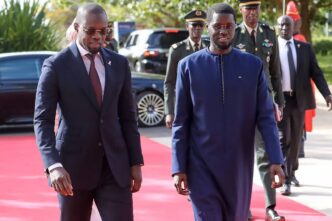
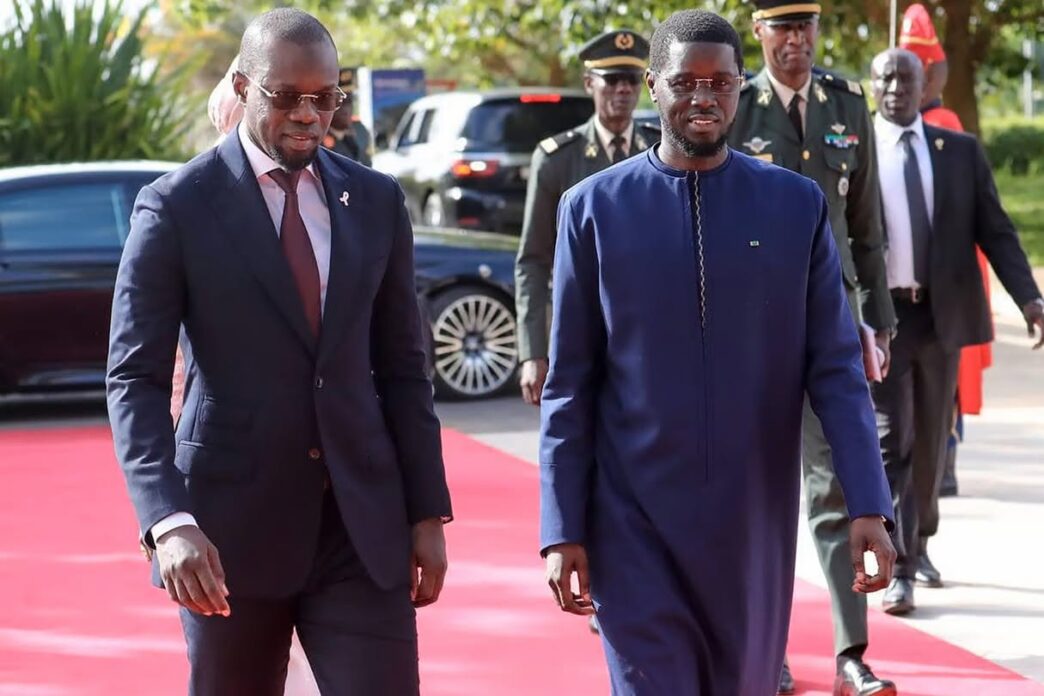
Senegal’s Constitutional Council has rejected a parliamentary bill that sought to expand the powers of the National Assembly and the prime minister while reducing the authority of the president.
The court ruled on Thursday that the legislation was “contrary to the Constitution” after President Bassirou Diomaye Faye referred the matter for review. The decision marks the latest chapter in a growing political dispute between the presidency and parliament, dominated by tensions between Faye and his former prime minister, Ousmane Sonko.
The proposed amendment was introduced by Sonko’s Pastef party, which controls the National Assembly. It was designed to strengthen the legislature’s role in governance and give the prime minister greater influence, while limiting some presidential powers.
Read More : Vieira’s Senegal Debut Ends in 1-1 Draw

The disagreement has intensified in recent weeks, with lawmakers engaging in heated exchanges during parliamentary sessions. The dispute also led to an opposition boycott and confrontations outside the parliament building.
The political rivalry between Faye and Sonko has continued after their earlier alliance. Faye removed Sonko as prime minister in May, but Sonko later became speaker of the National Assembly after being backed by Pastef lawmakers.
Opposition parties and several civil society groups had criticised the proposed changes, questioning their implications for Senegal’s balance of power. After lawmakers approved the bill late last month, President Faye announced plans to put the matter to a referendum.
The Constitutional Council’s ruling now blocks that legislative path, reinforcing the current constitutional limits on the relationship between the executive and parliament.