Trending
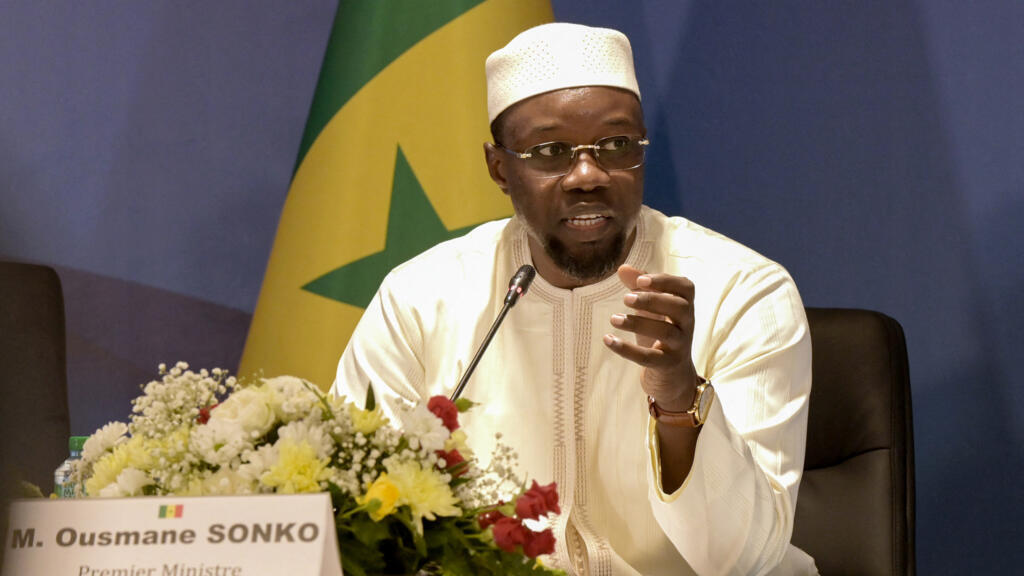
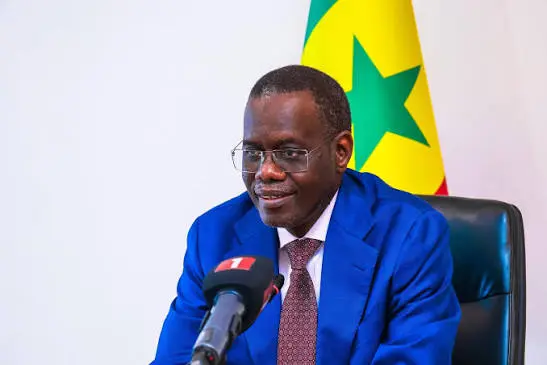
Senegal’s National Assembly will vote Tuesday on whether to appoint recently ousted Prime Minister Ousmane Sonko as its new speaker, a move opposition leaders denounce as an attempted coup.
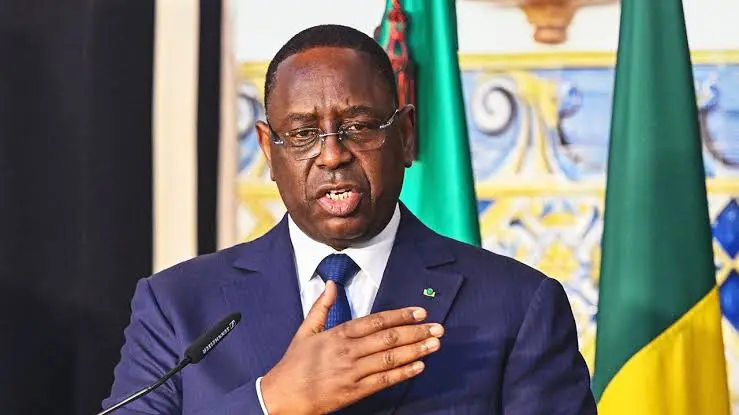
The high-stakes vote comes just days after President Bassirou Diomaye Faye shocked the nation by sacking Sonko from his post as prime minister and dissolving the government.
The strategic manoeuvring has already triggered furious accusations from opposition leaders, who denounce the move as an attempted institutional coup.
The political shakeup highlights a dramatic fallout between the two leaders, who swept to power during the 2024 elections on promises of economic renewal and anti-corruption reforms.
Sonko originally served as Faye’s political mentor and missed out on the presidency only due to a disqualifying defamation conviction.
However, severe disagreements over how to manage Senegal’s soaring public debt—which currently stands at 132 per cent of GDP—shattered their alliance.
While Faye seeks a new financial aid programme with the IMF, Sonko advocates for a strictly domestic, sovereignist approach.

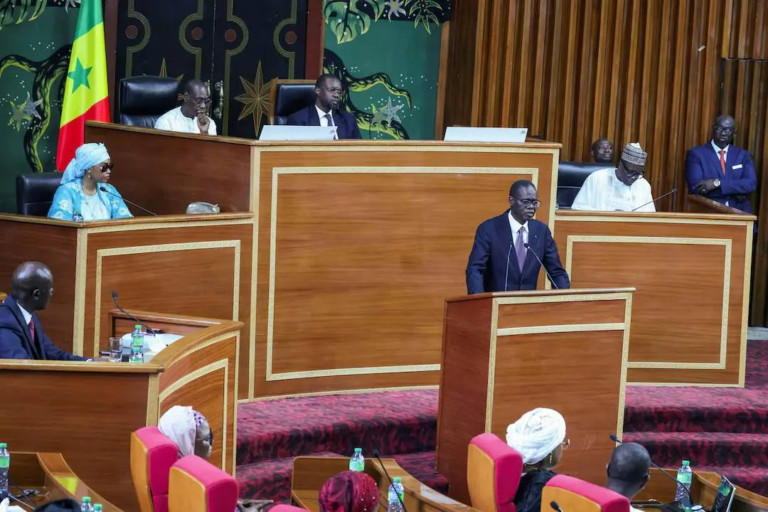
The vacancy in the legislature opened up on Sunday when the previous speaker, a close Sonko ally, resigned. This cleared a direct path for the former prime minister to seek the leadership of the National Assembly.
Sonko retains immense influence in the legislative branch, where their shared Pastef party holds a commanding majority of 130 out of 165 seats. From this powerful new vantage point, Sonko could directly challenge President Faye’s executive authority.
Meanwhile, the political opposition is fiercely resisting the reinstatement.
Main opposition coalition leader Aissata Tall Sall condemned the upcoming vote as an illegal diktat engineered by the legislative majority.
She argued that Sonko bypassed legal procedures by failing to resign formally before trying to reclaim his legislative seat, and she urged President Faye to refer the matter to the Constitutional Council.
Read More : Senegal Ruling Party Rejects Revised Budget
The ongoing power struggle could reshape Senegal’s political future.
Recent parliamentary reforms to the electoral code mean that Sonko is now legally eligible to run for the presidency again.
This development raises the distinct possibility that the two former allies will openly compete against one another for the nation’s top office in the next election cycle.