Trending
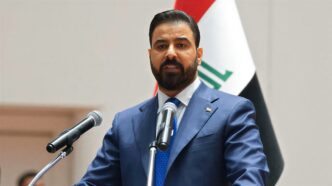
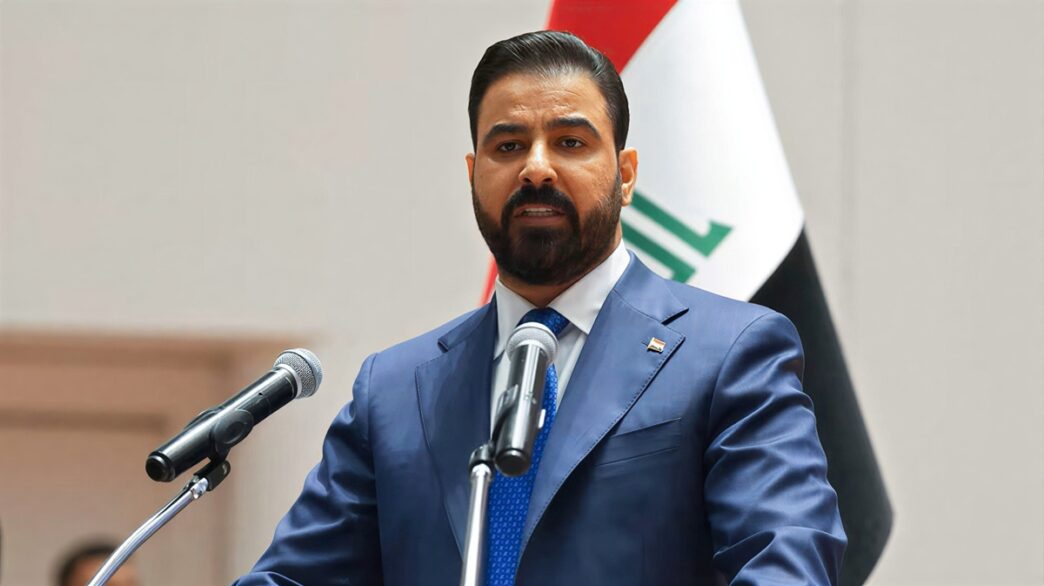
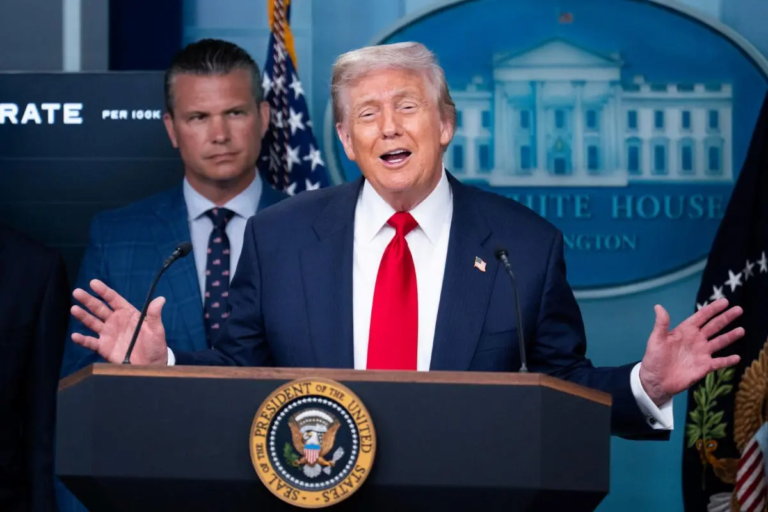
Iraqi Prime Minister Ali al-Zaidi will meet US President Donald Trump in Washington on Tuesday, with talks expected to focus on Iraq’s relationship with Iran, regional security and economic cooperation.
Zaidi’s visit comes as tensions between the United States and Iran have escalated, placing renewed pressure on Baghdad to curb Tehran’s influence.
Iraq has long sought to balance its ties with both countries, which are key allies but longstanding rivals.
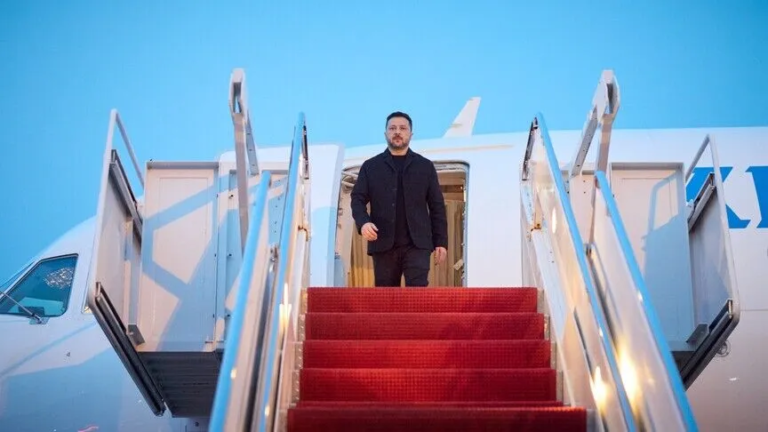
The prime minister arrived in Washington on Monday for his first official foreign visit since taking office. During the week-long trip, he is expected to hold talks with Trump, senior US officials and representatives of major oil companies.
Zaidi, who assumed office earlier this year with US backing after Trump rejected another candidate, has pledged to strengthen Iraq’s economy and dismantle Iran-backed armed groups accused of attacking US interests in the country.
In an opinion article published in The Washington Post ahead of the visit, Zaidi said his administration was committed to ensuring that the Iraqi state maintained the exclusive right to use force. He noted that the government had given armed groups designated as terrorist organisations by Washington until September 30 to disarm, coinciding with the end of the US-led anti-jihadist coalition’s mission in Iraq.
A senior Iraqi politician, speaking anonymously, said Baghdad’s efforts to strengthen ties with Washington should not be interpreted as a shift away from Iran, stressing that Iraq would continue to maintain a balance between both partners.
The visit follows a massive funeral procession in Iraq’s Shia holy cities last week for Iran’s late Supreme Leader Ali Khamenei, who was killed in a US-Israeli strike on Tehran.
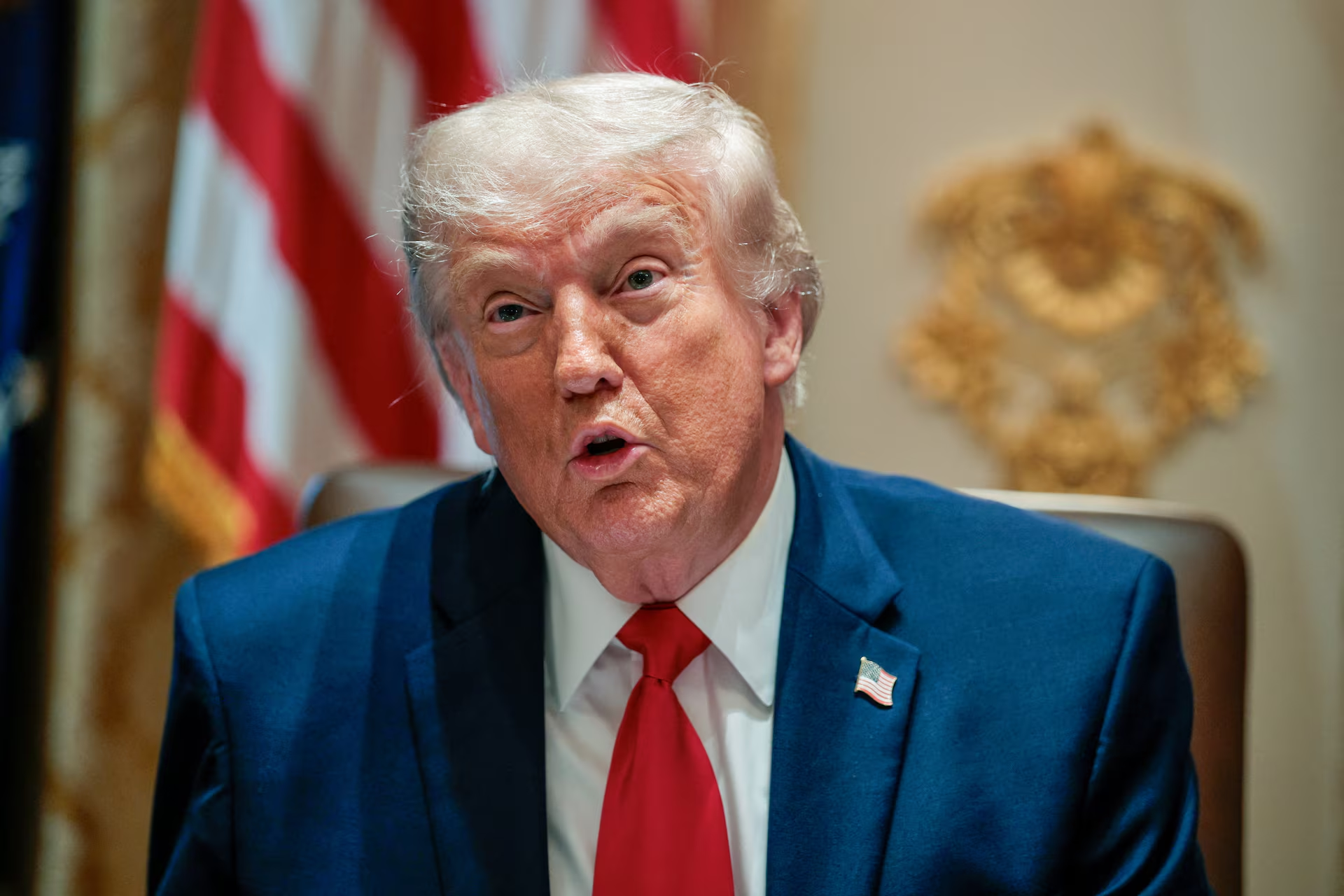
The Iraqi government believes consolidating state control over weapons is essential to attracting foreign investment and improving economic stability.
Zaidi also wrote that Iraq sought to remain outside regional conflicts and instead prioritise development and investment.
In a sign of improving relations, the United States has resumed cash transfers linked to Iraq’s oil revenues, which are managed through the Federal Reserve Bank of New York. The payments had been suspended earlier this year as Washington increased pressure on Baghdad to rein in pro-Iran armed groups.
While some of the armed factions have indicated a willingness to cooperate with the government, others have rejected calls to disarm. Iran-backed groups have expanded their political and financial influence over the years and have repeatedly demanded the withdrawal of US troops from Iraq.
During the recent Middle East conflict, the groups launched hundreds of attacks on US facilities in Iraq in support of Tehran.
The Islamic Resistance in Iraq, a coalition of Iran-backed armed groups, criticised Zaidi’s visit to Washington last week, warning against what it described as the replacement of military influence with economic domination.
Economic cooperation is expected to feature prominently during the visit.
Iraq has signed several agreements with US energy companies in recent months, and additional deals are anticipated, including a proposed arrangement under which Iraq would commit 500,000 barrels of oil per day to a fund in exchange for US support to improve the country’s electricity supply.
Oil exports account for about 90 per cent of Iraq’s government revenue, with most of its crude shipments passing through the strategically important Strait of Hormuz.