Trending
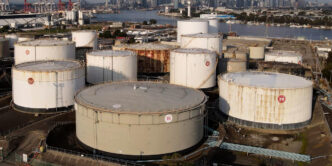
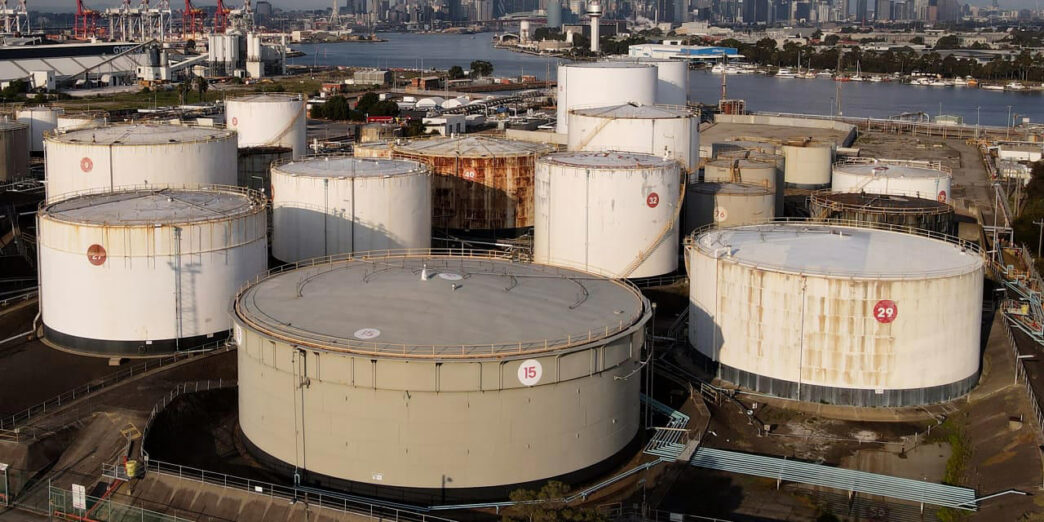
Oil prices extended their gains on Tuesday while global stock markets declined after fresh United States strikes on Iran heightened concerns over escalating tensions in the Middle East and renewed inflationary pressures.
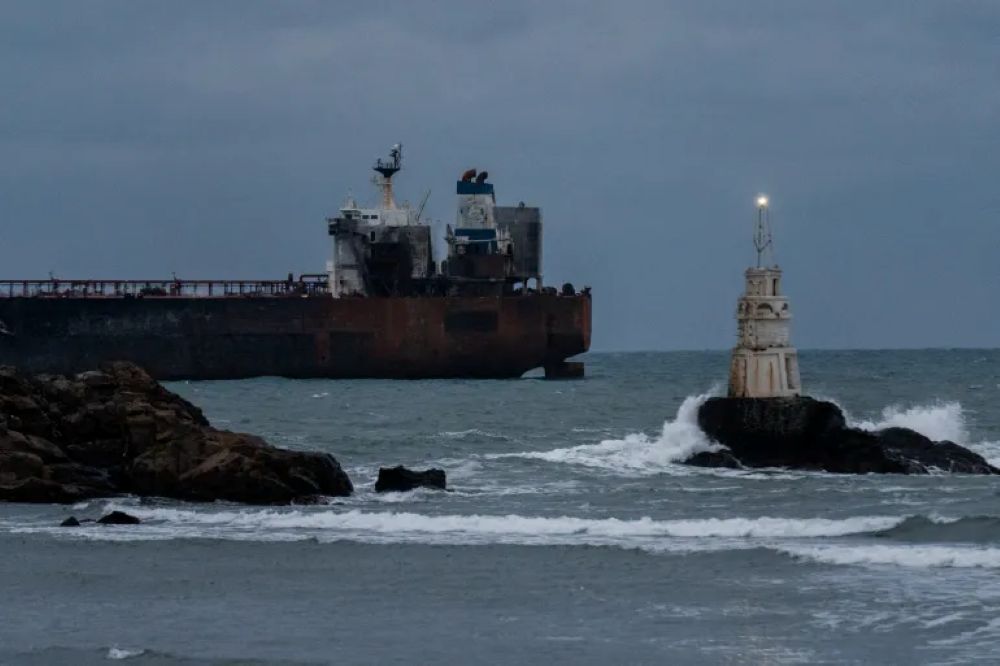
The latest escalation followed Iran’s attack on a commercial vessel in the Strait of Hormuz on Sunday and its subsequent announcement of the waterway’s closure.
The United States responded with strikes on targets in Iran, prompting retaliatory attacks on US-linked sites in Bahrain, Jordan, Kuwait and Oman.
Read More : Magnitude 6.3 Earthquake Hits Off Vanuatu
US President Donald Trump had earlier signalled further military action, saying Washington would launch additional strikes against Iran. He later announced that the United States would become the “guardian” of the Strait of Hormuz and proposed a 20 per cent levy on cargo passing through the strategic waterway, while maintaining that a diplomatic resolution with Tehran remained possible.
The renewed conflict pushed oil prices sharply higher after Monday’s surge of more than nine per cent.
On Tuesday, West Texas Intermediate crude rose 1.3 per cent to $79.15 per barrel, while Brent crude gained 0.7 per cent to $83.91 per barrel.
Analysts said the proposed US levy could significantly increase shipping costs through the Strait of Hormuz, though questions remain over whether the plan will be implemented.
BNZ strategist Jason Wong said the proposal was unlikely to be welcomed by US allies in the Gulf and could violate international law.
He estimated that the proposed 20 per cent levy would add about $16 to the cost of every barrel of oil transported through the strait on a typical supertanker, adding that it remained uncertain whether the measure would be enforced or merely serve as a negotiating tactic.
“With Trump, one never quite knows how seriously to take such pronouncements, but Gulf allies would not be pleased with this plan, and it almost certainly violates international law,” said Wong.
“The 20 percent levy would add about $16 to the cost of every barrel of oil passing through the strait on a typical supertanker.
“It remains to be seen whether the plan will stick — probably not — and whether it is merely a negotiating tactic aimed at getting Iran to pause its military strikes on shipping in the area,”he added.
The heightened geopolitical tensions also continued to pressure global equity markets, particularly technology stocks, as investors reassessed risks surrounding artificial intelligence-driven valuations.
South Korea’s benchmark Kospi index fell 2.6 per cent, with chipmaker SK hynix extending losses after a sharp decline in the previous session.
Other major markets, including Tokyo, Hong Kong, Sydney, Singapore, Taipei, Wellington, Manila and Jakarta, also traded lower.
Investors are also watching a busy week of economic events, including the start of the US earnings season, testimony by Federal Reserve Governor Kevin Warsh before Congress and the release of US inflation data.
Federal Reserve Governor Christopher Waller cautioned that another strong inflation reading could prompt policymakers to consider raising interest rates sooner than expected if price pressures persist.
– Key figures around 0230 GMT –
West Texas Intermediate: UP 1.3 percent at $79.15 a barrel
Brent North Sea Crude: UP 0.7 percent at $83.91 a barrel
Tokyo – Nikkei 225: DOWN 0.8 percent at 66,678.36 (break)
Seoul – Kospi: DOWN 2.6 percent at 6,631.83
Hong Kong – Hang Seng Index: DOWN 0.2 percent at 24,166.38
Shanghai – Composite: FLAT percent at 3,912.31
Euro/dollar: UP at $1.1394 from $1.1384 on Monday
Pound/dollar: UP at $1.3358 from $1.3353
Dollar/yen: DOWN at 162.35 yen from 162.43 yen
Euro/pound: UP at 85.30 pence from 85.25 pence
Read More : Christiane Amanpour to Leave CNN after 43 Years
New York – Dow: DOWN 0.3 percent at 52,498.64 (close)
London – FTSE 100: FLAT at 10,498.29 (close)