Trending


Iran’s Islamic Revolutionary Guard Corps (IRGC) said on Wednesday that the Strait of Hormuz would remain closed until the United States ends what it described as its “acts of aggression”, as fighting between the two countries continued to escalate.
The warning came as renewed hostilities, which began in late February, continued to disrupt energy supplies through the strategic waterway, a key transit route for global oil and gas exports.
According to Iranian state television, the IRGC said in a statement that it had carried out attacks on US military facilities in Bahrain and Kuwait in retaliation for recent American strikes on Iranian territory.
Read More : Switzerland Confirms Ebola Case From Nigeria
“The enemy should know that now that its maritime raiders have blocked the Indian Ocean route for oil and gas exports to the world, thereby endangering the interests of America’s economic rivals, it should also expect the closure of other oil and gas export routes that serve the interests of the United States and its allies,” the statement said.
The group added that energy exports from the region would either remain available to all countries or to none.
“Oil and gas exports from the region will either be available for everyone or for no one,” they added.
In a separate statement, however, the IRGC said its retaliatory operations would continue and that the Strait of Hormuz would remain closed until the United States halted its “acts of aggression.”
“The retaliatory operations of the fighters will continue, and the Strait of Hormuz will remain closed until the United States ends its acts of aggression,” the statement read.
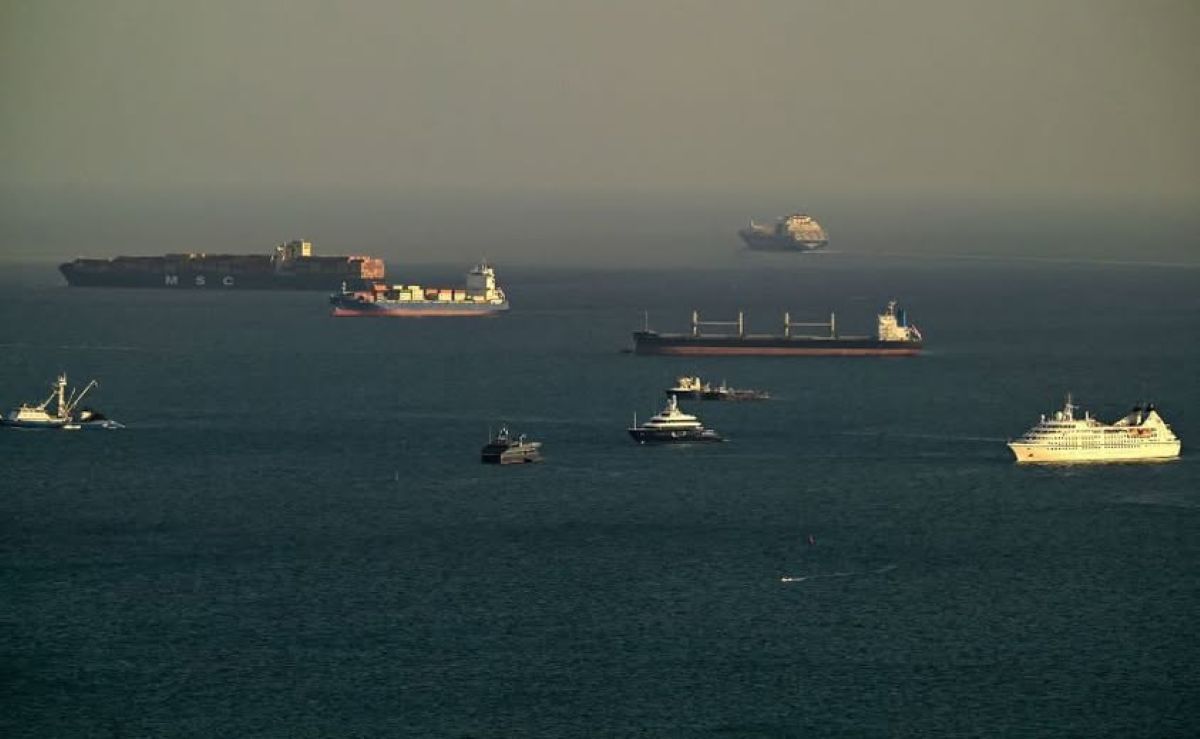
US forces struck Iran and reimposed a naval blockade on its ports as Tehran hit Washington’s Gulf allies on Wednesday, vowing the Strait of Hormuz would stay closed.
The strikes came hours after US President Donald Trump backed down on his planned 20 per cent levy on ships using the strait, which is at the centre of a flare-up in a war that has rattled the Middle East and pushed up global energy prices.
The latest warning followed another round of military exchanges between the two countries. The US military said it struck dozens of Iranian military targets near the Strait of Hormuz and along Iran’s coastline, saying the operation was intended to reduce Tehran’s ability to threaten commercial shipping.
Iranian state media reported explosions near Bandar Abbas, Qeshm Island and Bandar Imam Khomeini, while Bahrain, Kuwait and Jordan said they intercepted missiles and drones launched from Iran. Tehran also claimed responsibility for drone attacks on a US military base in Jordan.
Iranian Deputy Foreign Minister Kazem Gharibabadi said Washington’s decision to restore a naval blockade on Iranian ports had effectively undermined the interim agreement reached last month to halt hostilities and pursue peace negotiations.
Read More : South Sudan Violence Leaves 72 Dead
US President Donald Trump warned that military operations could intensify if Iran refused to return to the negotiating table, saying additional strikes could target power plants and bridges.
The renewed conflict has pushed global oil prices higher as concerns grow over potential disruptions to one of the world’s busiest energy shipping routes.
Meanwhile, US officials have continued to insist that international navigation through the Strait of Hormuz remains open, rejecting Iran’s assertion that it controls access to the waterway.