Trending
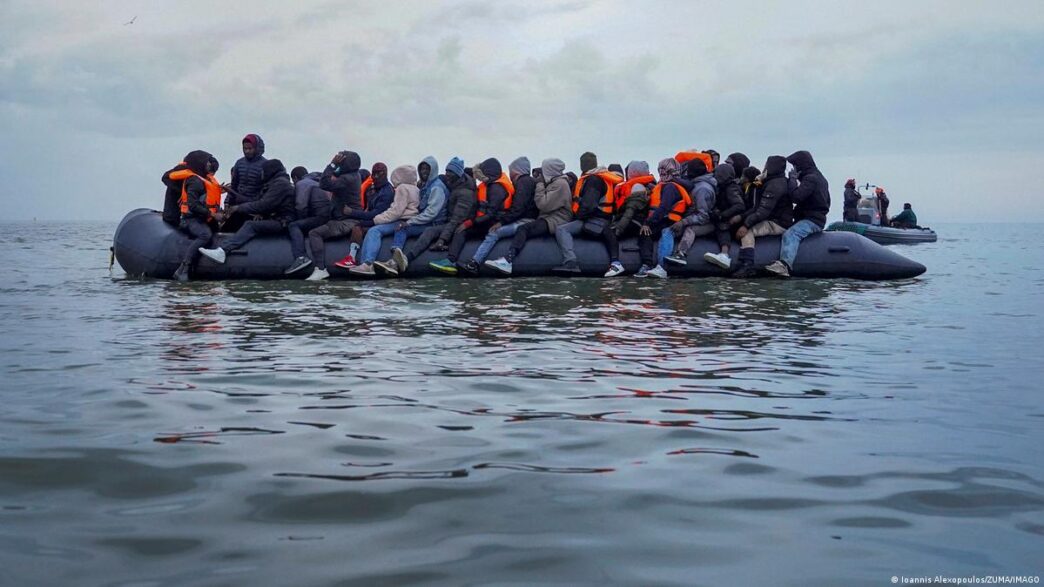
At least 144 refugees and migrants have been reported dead or missing after a series of tragic boat incidents off the coast of Mauritania, the United Nations said on Tuesday.
The UN refugee agency (UNHCR) said three rescue and disembarkation operations were carried out between July 14 and 18 in Nouadhibou, Mauritania, bringing 387 people from several sub-Saharan African countries safely to shore.
According to the agency, 143 people were reported dead or missing from one boat that left Buffalo in The Gambia for Spain.
The vessel was rescued on Saturday after spending nearly 25 days stranded at sea.
Only 38 people survived the journey; among them were two Senegalese children who lost all their family members during the voyage.

In a second rescue operation on the same day, 179 people were brought safely to Nouadhibou, while a third mission on July 14 rescued 170 people, although one person died.
“The refugees and migrants were reported dead or missing after attempting the perilous sea journey from West Africa towards Europe, highlighting the continued human cost of these dangerous routes,” UNHCR spokesman Matthew Saltmarsh told reporters in Geneva.
He said the Atlantic route from West Africa to Spain’s Canary Islands remains one of the world’s deadliest migration routes because of long distances, rough ocean conditions, overcrowded boats and limited access to timely rescue.
Although migrant arrivals in Europe have dropped significantly this year, the UNHCR warned that deaths and disappearances at sea remain at “alarming levels,” with many boats vanishing without public attention.
Read More : Over 7,000 Nigerian Refugees Return Home in 2026
Saltmarsh noted that arrivals to the Canary Islands have fallen by 61 percent compared with 2025, but 4,400 people had still reached the Spanish islands as of July 15.
The UNHCR said 17 rescue operations have been recorded in Nouadhibou and Nouakchott so far in 2026, with 2,147 people rescued.
Saltmarsh said the latest tragedy highlights the urgent need to address the root causes forcing refugees and migrants to risk dangerous journeys across the Atlantic.