Trending
The World Health Organization‘s vaccine experts recommended on Tuesday that countries consider routine vaccination against HPV in girls as young as four, provided it helps improve lagging vaccine coverage.
Some 165 countries have introduced the human papillomavirus vaccine, said Anthony Scott, who chairs the WHO’s Strategic Advisory Group of Experts on Immunisation (SAGE).
“However, the global HPV vaccine coverage, at 33 percent, is far short of the global target we’re looking for, which is 90 percent,” he told reporters.
HPV vaccination is a priority for all girls aged nine to 14, according to the WHO.
Back in 2022, SAGE recommended a one- or two-dose schedule for girls aged nine to 14; the same for young women aged 15 to 20; and two doses with a six-month interval for women over 21.
After reviewing updated evidence, SAGE decided the single-dose vaccine schedule for girls aged nine to 14 was the most efficient way to reach the global target.
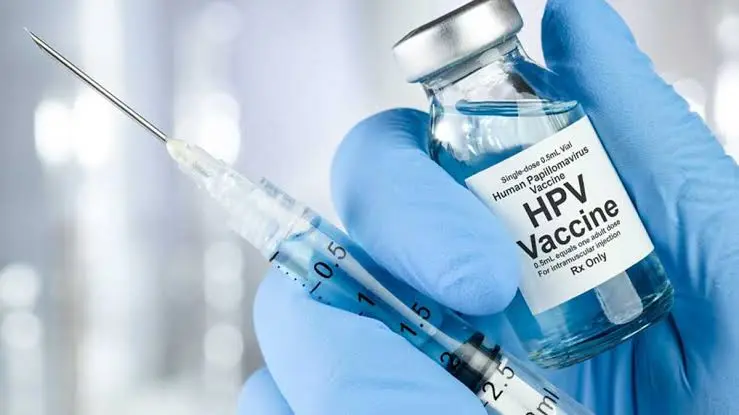
“Countries may also consider routine vaccination (for) girls aged four to eight years if this is likely to result in increased vaccination uptake and coverage,” said Scott.
Caused by persistent infection with HPV, cervical cancer is the fifth most commonly diagnosed cancer in women globally, with some 604,000 new cases and around 280,000 deaths in 2024, according to the WHO.
By the end of 2025, more than 95 million girls had received HPV vaccines, said Kate O’Brien, head of the WHO’s vaccines department.
SAGE recommended that HPV vaccination with a single dose may be expanded to additional target groups in order of priority: catch-up vaccination of women aged up to 25; then of women aged up to 30 years; routine vaccination in boys aged nine to 14; then catch-up vaccination of males up to 20.
As of 2025, there were eight licensed HPV vaccines.
Cervical cancer is the leading cause of cancer death in women in 26 countries, primarily in sub-Saharan Africa and parts of South and Central America, Melanesia, and southeast Asia, the WHO says.