Trending
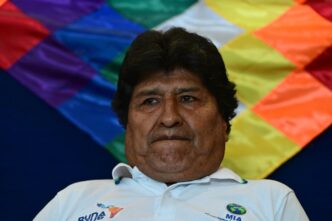
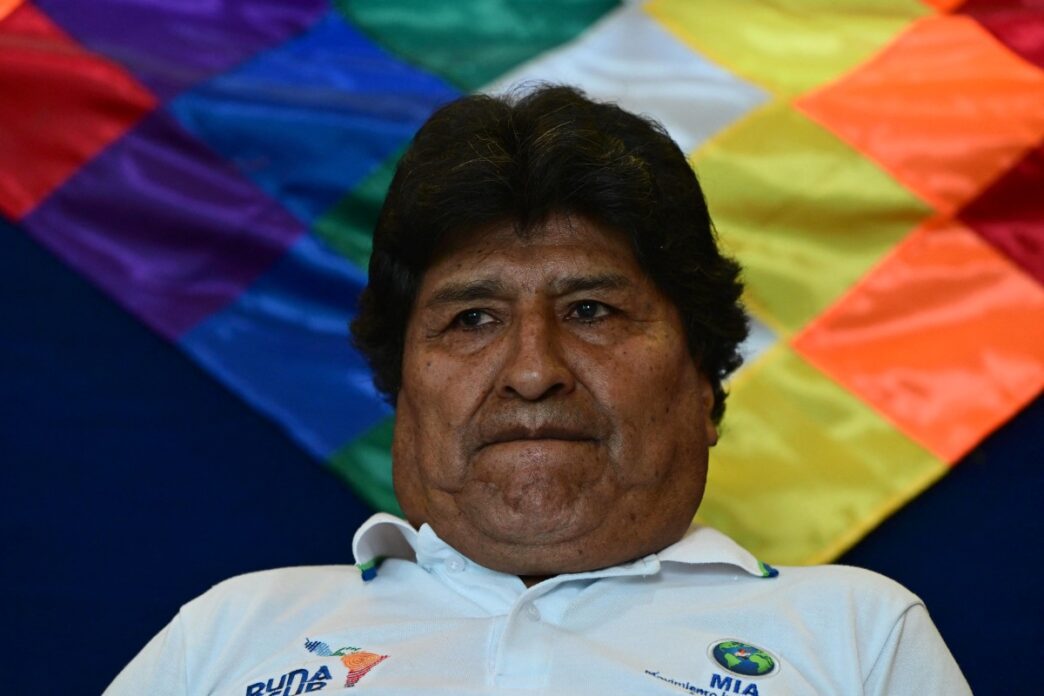
Bolivian prosecutors have issued an arrest warrant for former president Evo Morales, accusing him of inciting protests that brought parts of the country to a standstill during a period of intense economic hardship.
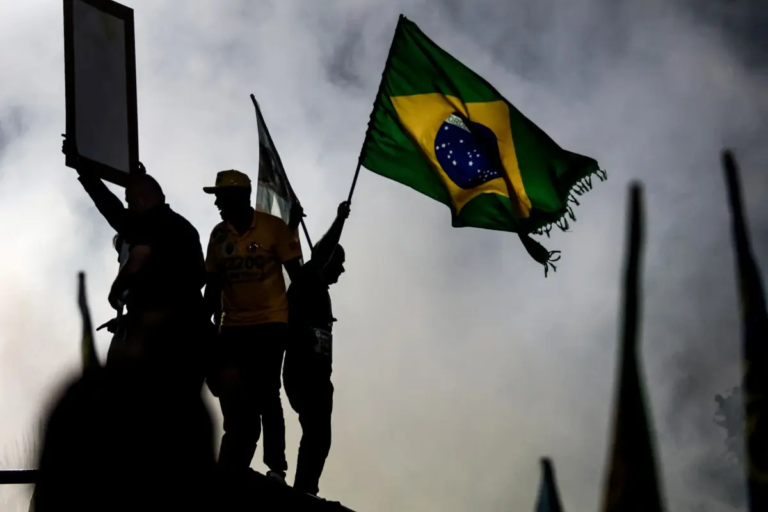
The warrant, issued on Wednesday, is linked to an investigation into road blockades that disrupted transport routes during widespread demonstrations in May and June. The protests caused severe shortages of fuel, food and medicine in some cities, worsening public frustration over Bolivia’s most serious economic crisis in decades.
The demonstrations initially began with workers and Indigenous communities demanding solutions to rising living costs, shortages and economic instability. However, the unrest later expanded into calls for the resignation of President Rodrigo Paz, who has accused Morales of organising the protests to undermine his administration.
Bolivia’s Attorney General Roger Mariaca said the investigation followed an “armed uprising” and “terrorism” complaint filed by a right-wing coalition of civic leaders and business groups against Morales, trade unionist Mario Argollo and Indigenous activist Vicente Salazar. The government later joined the complaint.
Paz has also accused Morales, who remains influential in the coca-growing Chapare region, of involvement in drug trafficking, although he has not provided evidence to support the claim.
Morales rejected the allegations, saying the arrest warrant was an attempt to shift attention away from Bolivia’s economic difficulties.
“They will not intimidate us,” Morales wrote on X. He added that authorities were trying to “hold us responsible for the social mobilisations to conceal the true drama in Bolivia: a profound social and economic crisis.”
Read More : US Expels Two Iranian Officials
The former president, Bolivia’s first Indigenous leader, is currently in hiding in Chapare while facing separate allegations involving a minor. He has denied accusations that he had a relationship with a 15-year-old girl and fathered a child with her while in office.
President Paz has previously said his administration was preparing an operation in Morales’ political stronghold, though no timeline has been announced.
Paz, who came to power last year promising economic recovery after two decades of socialist rule, has faced opposition to his cost-cutting policies from trade unions, farmers and Indigenous groups.