Trending
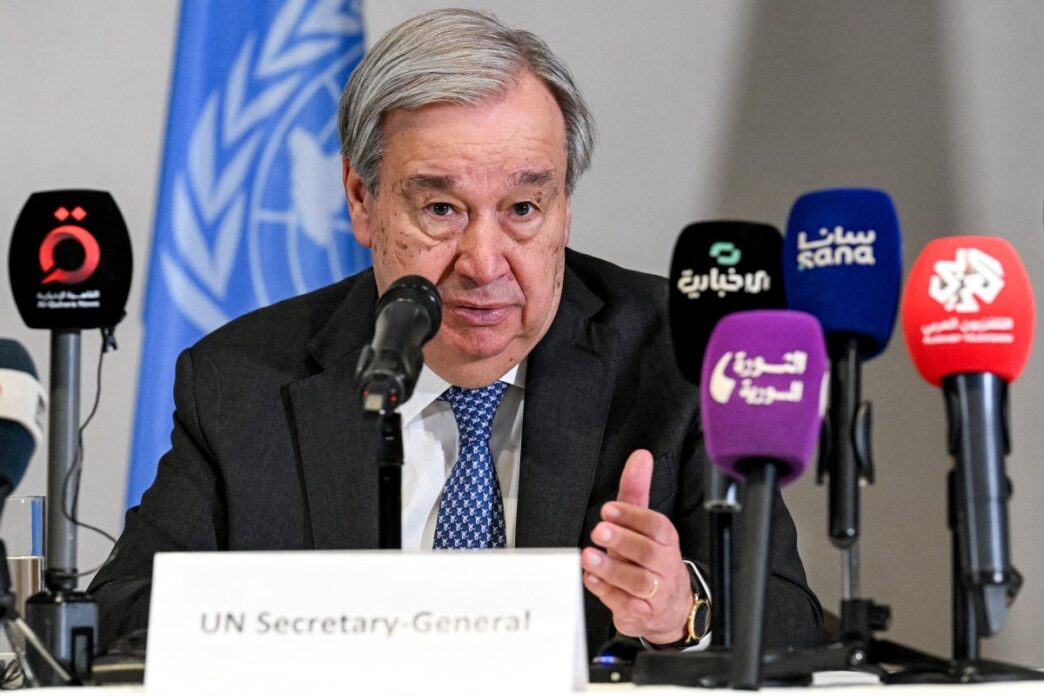
United Nations Secretary-General António Guterres has urged the world to remember the victims and survivors of the atomic bombing of Nagasaki, warning that the city remains a powerful reminder of humanity’s capacity for destruction.
Guterres made the remarks on Sunday as Nagasaki marked the 81st anniversary of the atomic bombing, which devastated the Japanese city on August 9, 1945.
“I strongly believe that the world needs to remember the atomic bombing of Nagasaki, its victims & survivors,” Guterres said.
Read More : Historic French Wildfire Fully Extinguished
“81 years ago, Nagasaki became a symbol of humanity’s capacity for destruction,” he added.
The UN chief said the legacy of Nagasaki should not only be remembered as a tragedy but also used to guide efforts towards lasting peace.
“It stands today as both a warning & a guide,” Guterres said.
He called for a world in which peace is maintained through cooperation and a common commitment rather than the threat of military force.
“It calls on us to build a world where peace is sustained not by fear, but by shared purpose,” he said.
The United States dropped an atomic bomb on Nagasaki at about 11:02 a.m. on August 9, 1945, three days after the atomic bombing of Hiroshima.
The attack destroyed much of the city and killed tens of thousands of people.
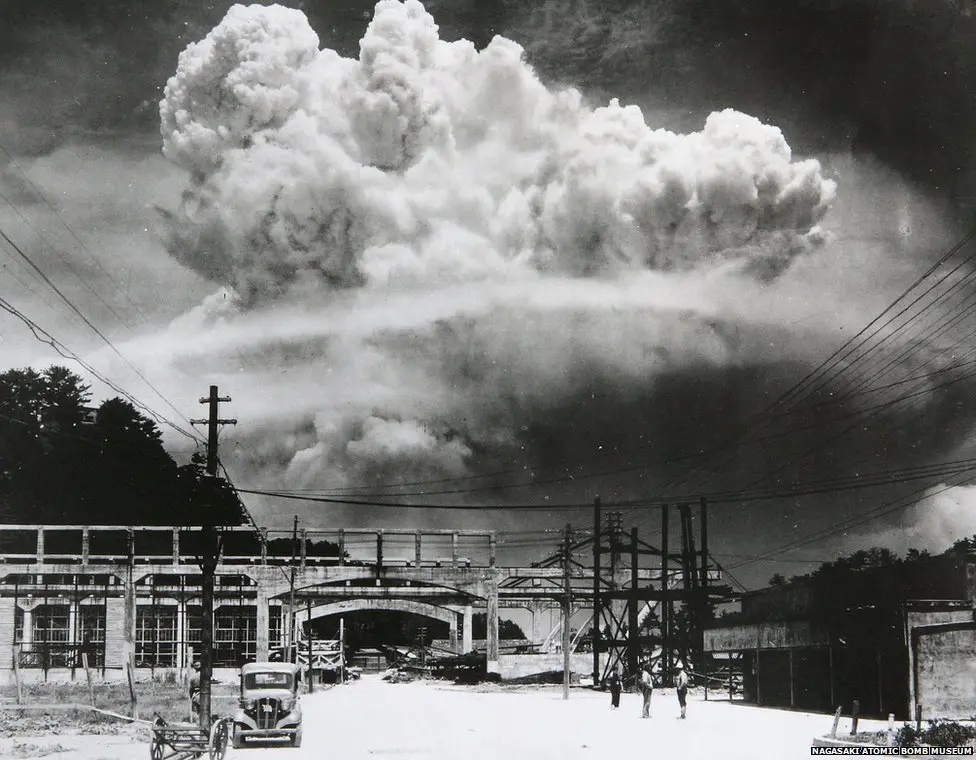
Nagasaki City records 73,884 deaths and 74,909 injuries from the bombing, while the city’s records also put the number of people affected at more than 120,000.
The bombing came during the final days of World War II. Japan announced its surrender on August 15, 1945, bringing the conflict to an end.
The atomic attacks on Hiroshima and Nagasaki remain the only wartime uses of nuclear weapons.
The survivors, known as hibakusha, have for decades shared their experiences to promote nuclear disarmament and prevent another nuclear attack.
The United Nations has repeatedly used the anniversaries of the bombings to spotlight the humanitarian consequences of nuclear weapons.
At the 81st anniversary of Hiroshima earlier this week, UN disarmament chief Izumi Nakamitsu, speaking on behalf of Guterres, warned that geopolitical tensions and rising military spending were placing existing safeguards against nuclear conflict under strain.
Nakamitsu said the long-term decline in global nuclear arsenals was reversing and warned that “nuclear sabres are being rattled once again” amid increasing international tensions.
Guterres has consistently called for nuclear disarmament, with the UN noting that its first General Assembly resolution in 1946 sought the elimination of nuclear weapons.
Nagasaki continues to position its annual memorial ceremony as a call for the abolition of nuclear weapons and lasting peace.
The city’s Peace Park commemorates those killed and injured, while survivor testimonies and memorials preserve the memory of the bombing for future generations.
I strongly believe that the world needs to remember the atomic bombing of Nagasaki, its victims & survivors.
81 years ago, Nagasaki became a symbol of humanity’s capacity for destruction.
It stands today as both a warning & a guide.
Read More : UK Police Bail Five Suspects in Airbase Plot
It calls on us to build a world where peace…
— António Guterres (@antonioguterres) August 9, 2026