Trending
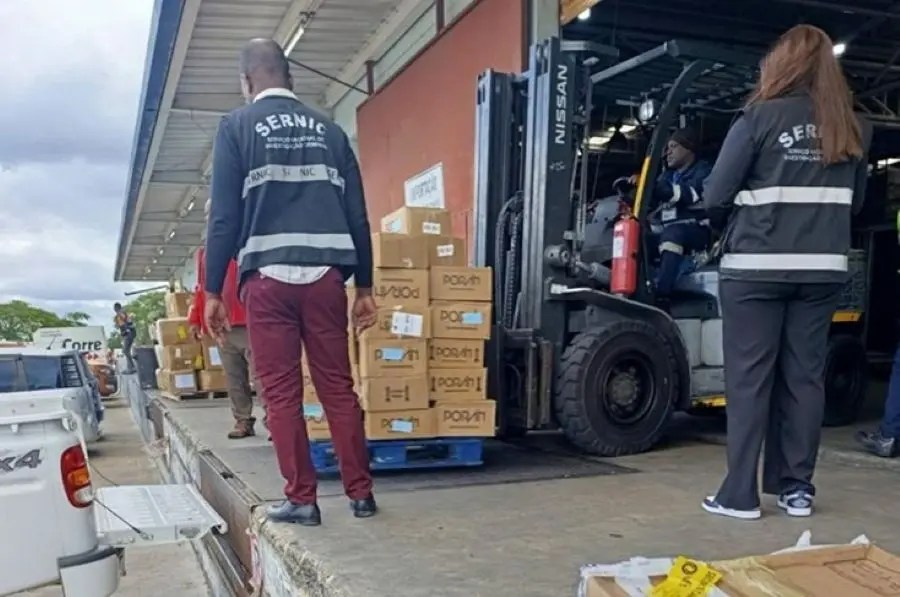
Mozambique authorities have seized 1.4 tonnes of fentanyl, one of the world’s most potent synthetic opioids, at the country’s main international airport, police said on Thursday.
The seizure marks the second major fentanyl interception in the southern African country in recent months, raising concerns over Mozambique’s growing role as a transit route for international drug trafficking networks.
According to the Sernic crime investigative unit, the consignment arrived at Maputo Airport in three batches this month from São Paulo, Brazil, and was transported through Luanda, Angola’s capital. The drugs were concealed in 207 boxes containing bottles of liquid cosmetics.
Read More : Mozambique Moves to Govern AI
A 31-year-old Mozambican man who arrived to collect the shipment was arrested in connection with the discovery, Sernic said in a statement.
“Forensic investigations confirmed it was a synthetic drug called fentanyl, with a high addictive potential,” the agency said.

The latest discovery follows the seizure of 3.7 tonnes of fentanyl found in warehouses belonging to a private company at Maputo Airport in June. Together, the two seizures represent one of the largest quantities of the drug ever intercepted in Mozambique.
Fentanyl has been linked to a deadly overdose crisis in the United States, where it has become a major driver of opioid-related deaths. While seizures of the drug have historically been rare in Mozambique, authorities say the country has increasingly been used as a route for other illicit substances, including heroin and cocaine, moving between continents.
Read More : Mozambique Seeks World Bank Budget Support
In April, Mozambican authorities arrested two Mexican nationals suspected of links to international drug cartels and confiscated chemicals believed to be used in drug production.
The government said more than 4.4 tonnes of illicit drugs were seized across Mozambique in 2025, including significant quantities of cocaine and cannabis.
Neighbouring South Africa has also intensified efforts against drug trafficking networks, carrying out several raids in recent years targeting methamphetamine laboratories allegedly operated by Mexican nationals.