Trending
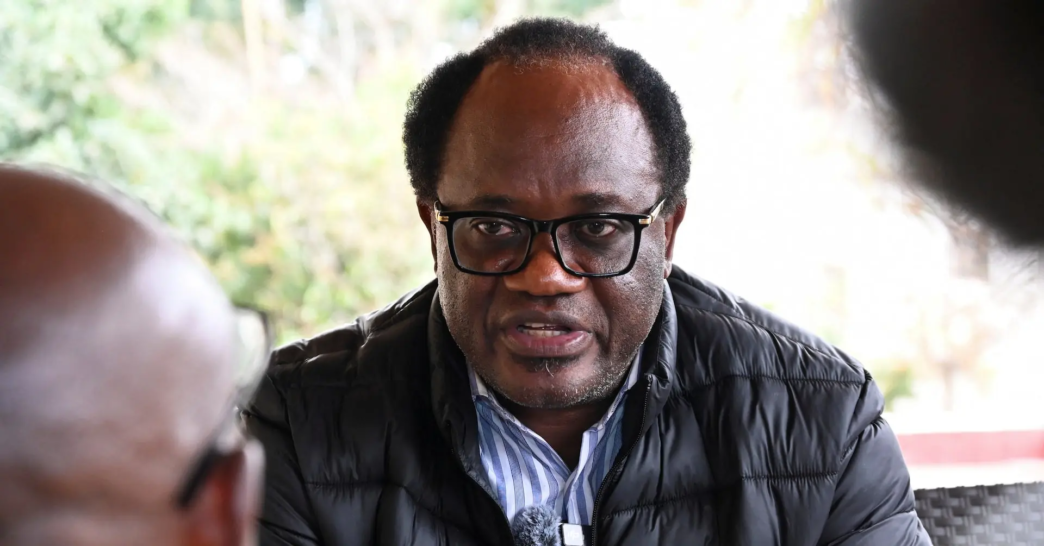
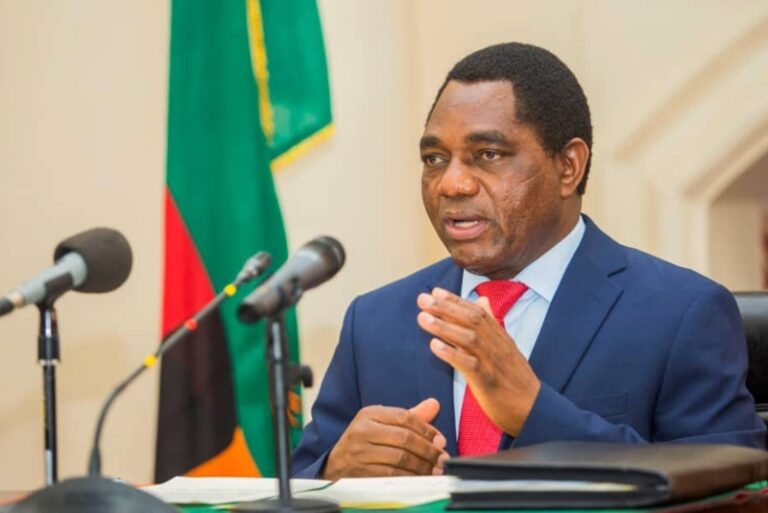
Zambian police have summoned opposition leader Brian Mundubile for questioning over alleged national security threats, days after a disputed election in which President Hakainde Hichilema secured a second term.
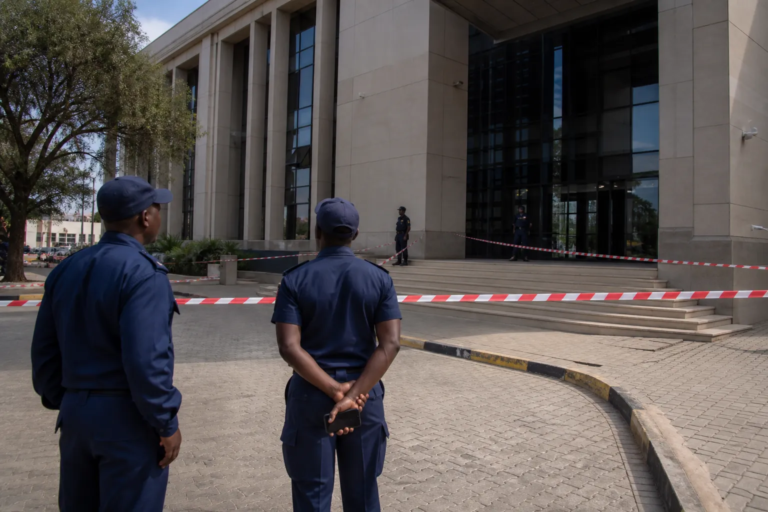
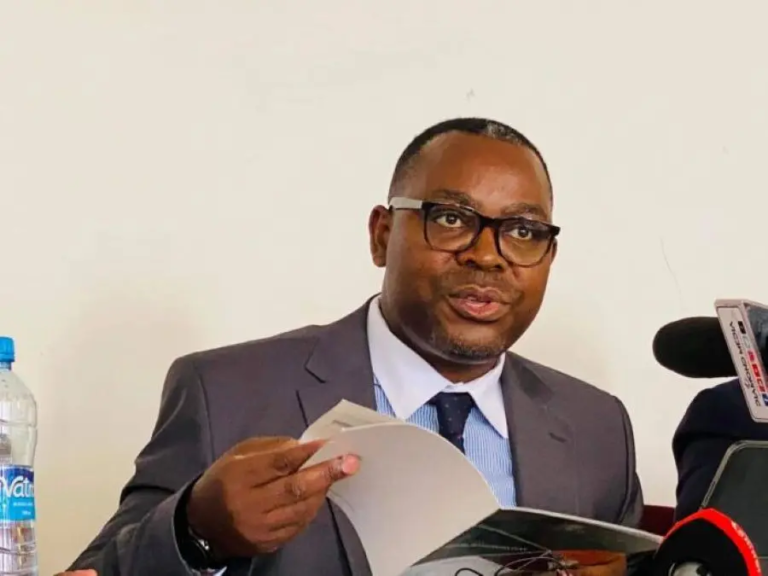
Mundubile, who came second in the August 13 presidential election, has rejected the outcome and said he will challenge the results in court. His summons comes after police raided his home in Lusaka last week, forcing him to seek protection with an international human rights organisation.
A joint investigative team said it had been examining what it described as “serious national security threats” linked to Mundubile, his running mate Makebi Zulu and their political alliance.
In a statement, police said the team wanted to question the two opposition figures over “alarming activities” that allegedly could undermine national security. Authorities, however, did not provide details about the alleged activities.
Mundubile and Zulu have denied accusations that their alliance was connected to insurgency or militia operations.
The police summons follows a deadly operation on August 14, during which former cabinet minister Mutotwe Kafwaya was shot and killed. Eleven people, including opposition figures, were arrested during the operation over allegations linked to treason-related offences.
The developments have drawn international criticism. Amnesty International has warned of a widening crackdown on peaceful dissent and called on Zambian authorities to end what it described as arbitrary arrests and detentions of opposition members.
“The reported killing of Mutotwe Kafwaya is deeply alarming,” said Tigere Chagutah, Amnesty International’s regional director for east and southern Africa.
“Amnesty International calls on the authorities to ensure that all detainees have immediate access to lawyers and their families and any necessary medical care,” he added.
Although the election was largely peaceful, international observers reported opposition claims of intimidation, arrests, abductions and violence during the campaign and voting period.
Zambia has long been regarded as one of Africa’s more stable democracies, with every transfer of presidential power since the return to multiparty politics in 1991 taking place through elections. However, critics say that democratic space has narrowed under Hichilema’s administration, which came to power in 2021.