Trending
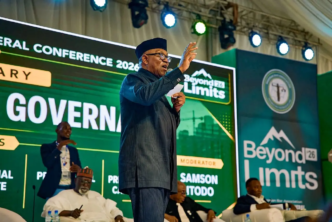
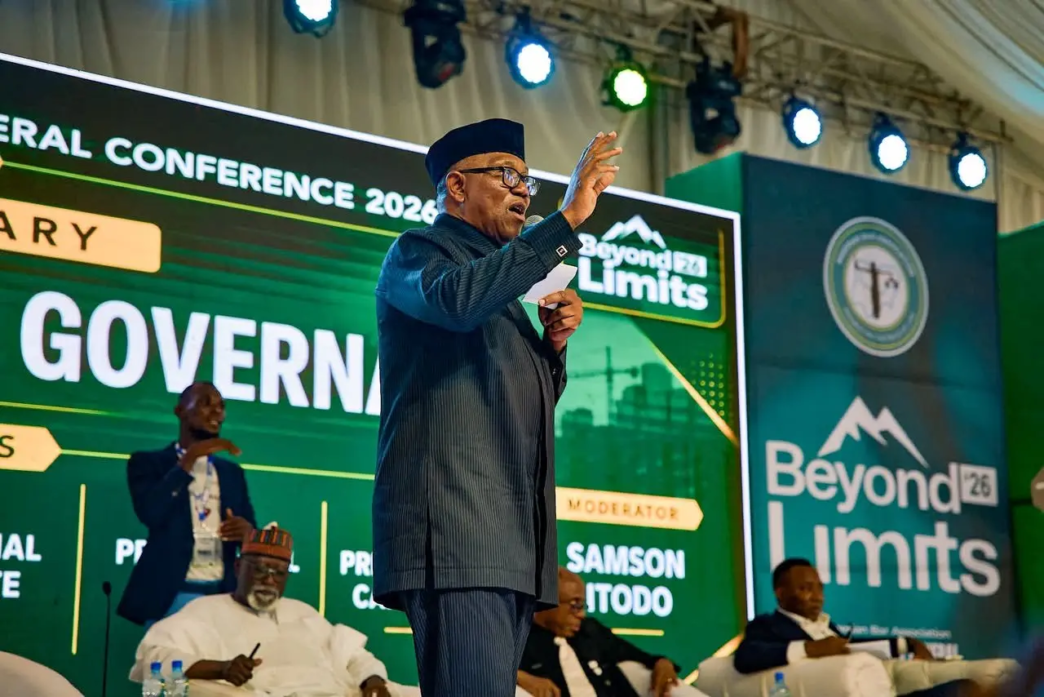
Nigeria Democratic Congress (NDC) presidential candidate Peter Obi has reiterated his support for removing the petrol subsidy.
He, however, criticised the Nigerian government for how it has managed the savings generated by the policy.
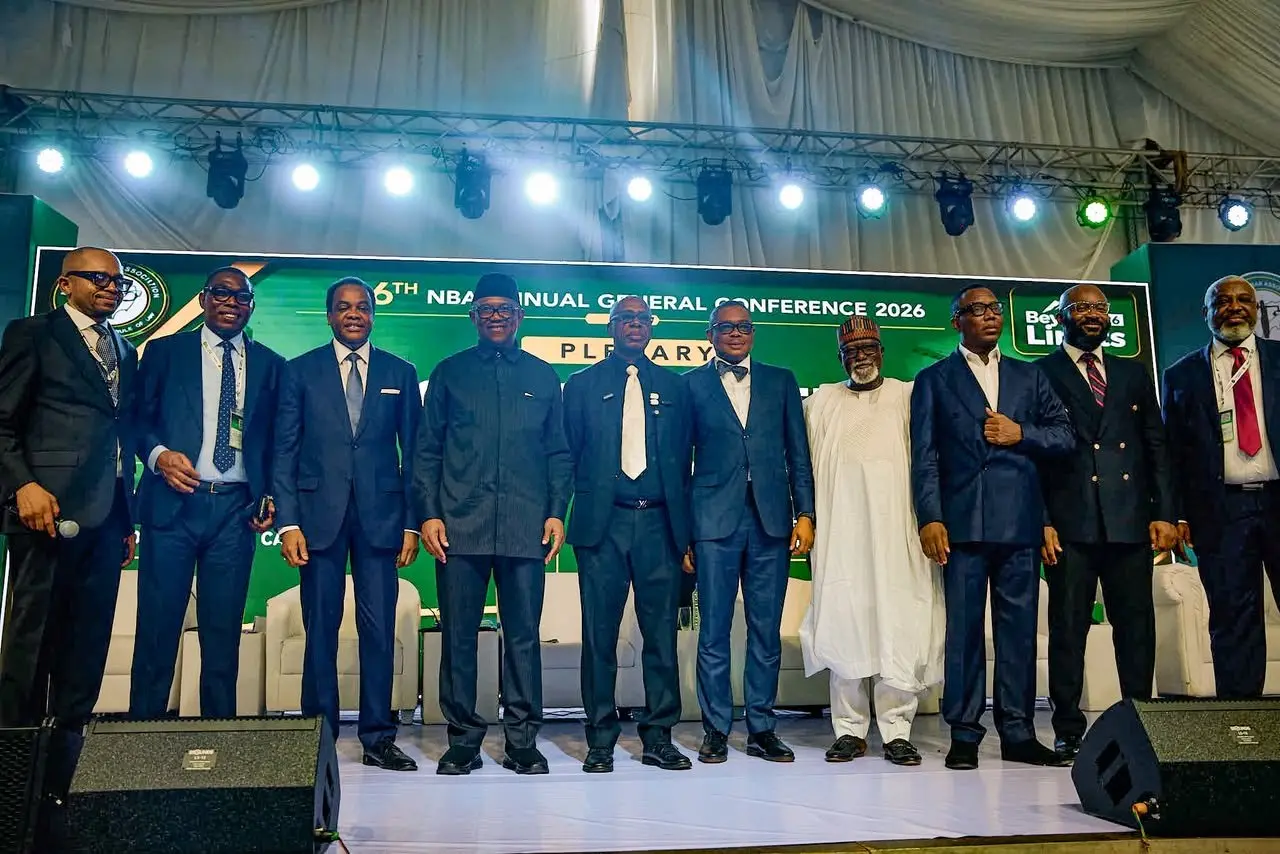
Obi made the remarks on Monday while participating as a panellist at the 66th Annual General Conference of the Nigerian Bar Association in Port Harcourt, Rivers State.
Read More : Makinde Appoints Four Oyo Market Leaders
In a post on X on Tuesday, Obi said the discussion focused on how to rebuild Nigeria and improve Nigerians’ living conditions, arguing that the country’s poverty and hunger largely resulted from years of poor governance.
He said Nigeria’s abundant natural and human resources should make extreme poverty and food insecurity unacceptable.
“With our vast human and natural resources, Nigeria has no business being associated with extreme poverty and hunger. We have no business importing food when we possess enormous agricultural potential,” Obi said.
Obi defends subsidy position
On fuel subsidy, Obi maintained the position he took during the 2023 presidential election campaign, saying the system had been plagued by corruption but that its removal should have been accompanied by transparent investment of the resulting savings.
“My approach was to eliminate the corruption, establish the actual subsidy cost, and then carry out a carefully planned, phased removal.”
Obi’s position differs from the proposal recently outlined by ADC presidential candidate Atiku Abubakar, who said his proposed petroleum intervention would be a targeted, capped subsidy focused on domestic refining and production rather than a return to the former import-subsidy regime.
At the NBA conference, Obi argued that the problem was not necessarily the removal of subsidy but what government did with the resources recovered from the policy.
He said savings from subsidy removal should have been directed to sectors that directly benefit Nigerians.
“Savings from subsidy removal should have been transparently invested in clearly defined, measurable development priorities, especially agriculture, healthcare, education, poverty reduction, and security,” he said.
Read More : Troops Kill Two Terrorists, Recover Four AK-47s
He added that Nigerians should not continue to bear the consequences of higher energy costs without seeing corresponding improvements from the savings generated.
The NDC candidate said Nigeria should instead concentrate public investment on food security, healthcare, education, infrastructure, human capital development, national security and national unity.
“Nigeria has all it needs to prosper. What remains is competent, honest, and purposeful leadership that puts the common good above personal interests,” he said.