Trending
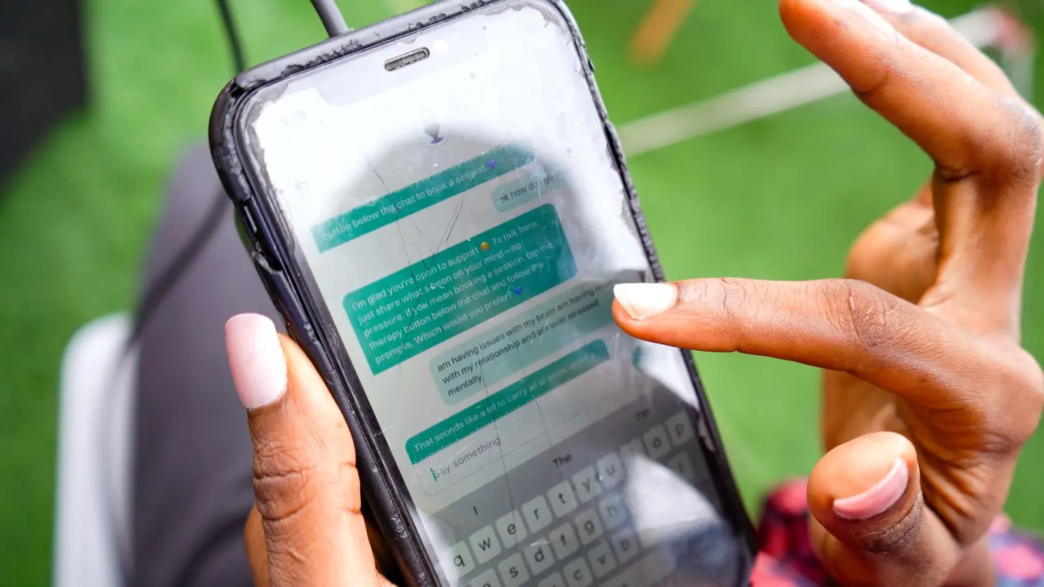
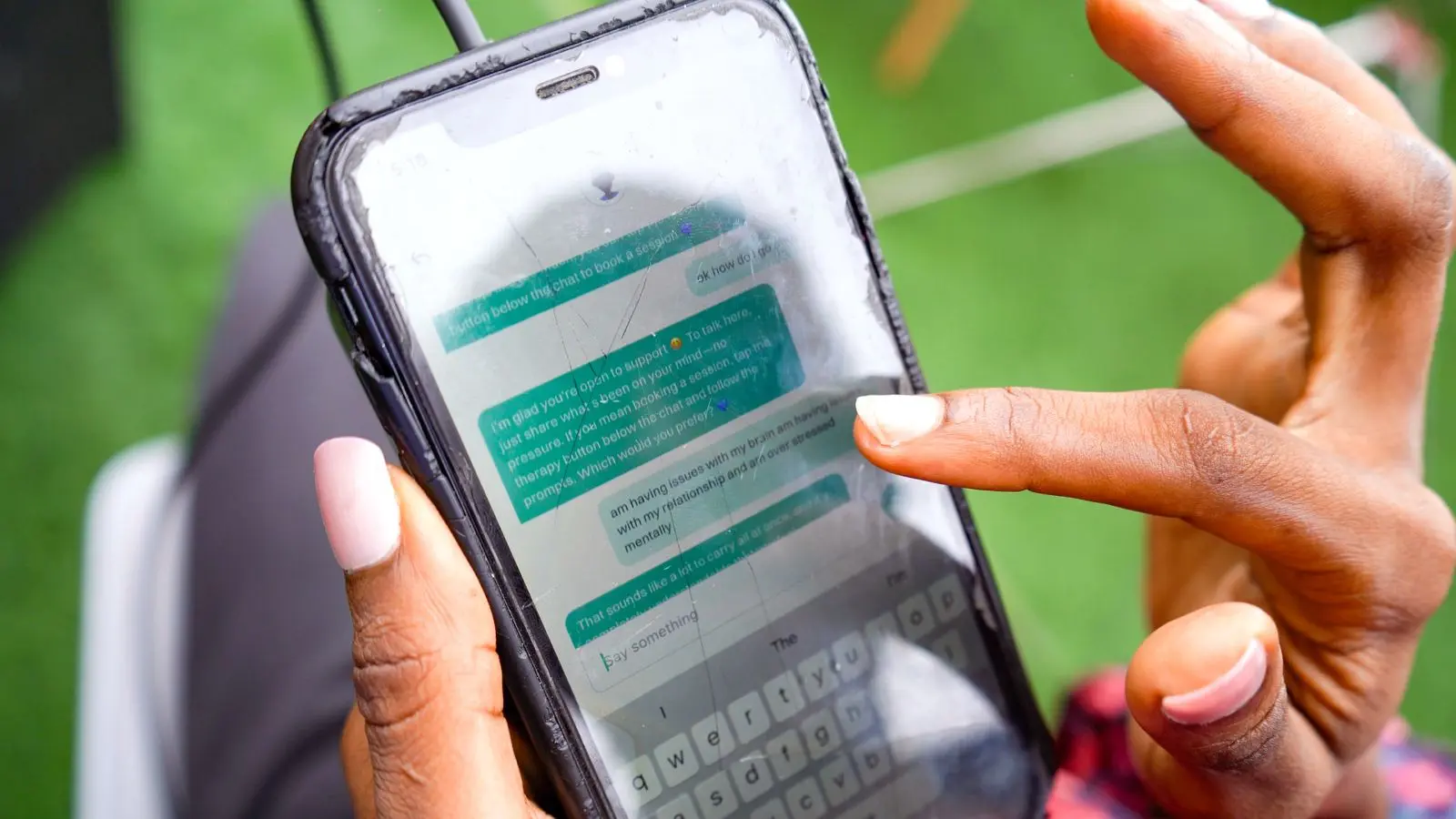
Digital health leader Esther Eruchie scans through the app on her phone, switching between mental-health resources, mood-tracking tools, and chats.
She navigates the platform she has created, recalling a time when she needed something like this herself. Today, she often wonders how different her life would have been if a resource like the one she created had been available back then.
Through OurPadi, an AI-powered platform that connects users to digital tools and human therapists, Eruchie has built the kind of support she had once wished she could reach.
Eruchie’s brother died in his early twenties. Autistic and nonverbal, his death had a severe impact on Eruchie’s mother, who was later diagnosed with major depression.
She said her father first refused to consider mental illness as a medical diagnosis, so her mother was taken to churches and prayer homes for assistance.
Eruchie’s mother died three months after her son died. She collapsed on her way home after one of the prayer sessions.
“I think my journey actually to mental health wasn’t just fancy,” she says. “It was basically experiences, lived struggles, and being in the midst of people who have been through hell and back.”
The experience impacted Eruchie’s view on the gaps in mental-health care.
Human Trafficking Cases
Years later, when working on human trafficking cases in Libya, Cameroon, and Nigeria, she met people struggling with trauma and migration issues. Organisations came in and provided community-based psychosocial help, but individual care was generally more difficult to find.
She later had her own mental health issues, such as depression and suicidal thoughts, and was diagnosed with ADHD.
According to a 2021 analysis of mental health in Nigeria, the country had fewer than 300 psychiatrists for a population of more than 190 million, highlighting the need for specialised mental health care.
For Eruchie, the problem was more than just a shortage of professionals. She also saw a need for people to be able to get help sooner, before their problems became too serious.
That thought gave rise to FriendnPal in 2023, a mental-health firm founded on the concept of making help closer and more accessible. Its digital platform, OurPadi, enables consumers to communicate with an artificial intelligence chatbot while simultaneously providing access to human therapists.
“When you hear the word ‘Our Padi’ or ‘Friend and Pal’, it means the same thing,” she says. “My friend means my pal. “My pal” means “my friend.”
Mental Health Practitioners
However, mental health practitioners advise caution when using technology to self-diagnose or treat mental health issues.
According to Fidelis Kor, a therapist and psychologist, AI can help people deal with temporary stress, but it should not substitute expert care.
“If it’s something that has gone on and off and you’ve tried talking to your friends and family, you use AI, and this situation persists, then you need to talk to somebody qualified for it,” Kor said.
Kor also pointed to a less obvious limitation: AI can be influenced by the way a user frames a conversation.
“The big risk is that it will tend to tell you what you want to hear,” he said.
A user can steer an AI conversation towards the response they expect, he explained, potentially creating an echo chamber that reinforces an existing belief rather than challenging it.
That concern is especially relevant today as more people rely on digital technologies for support in areas where traditional mental-health services are difficult to access.
Mental Health Care
Governments across Africa are taking measures to integrate mental health care into larger health systems.

In Ghana, for example, mental health treatment is being integrated into the National Health Insurance Scheme, with attempts underway to cover conditions including depression, anxiety, bipolar disorder, and psychosis in the benefits package.
Maternal mental health issues are also increasingly in the spotlight.
In 2026, the UK is implementing a nationwide maternity Mental Health Policy, which aims to integrate mental health support into maternity and child health care.
Across Africa, mental health issues affect around 150 million people, according to the World Health Organisation (WHO). In some communities, people may first seek help from religious or traditional practitioners rather than formal health services.
That reflects both cultural beliefs and the limited availability and affordability of professional care. WHO has identified stigma, limited awareness and inadequate investment as persistent barriers to people seeking care.
According to Eruchie, this gap affected how FriendnPal was built. Rather than focusing solely on diagnosis, the platform intends to assist people in dealing with pressures and seeking help sooner.
OurPadi
“We’re focusing mainly on the triggers and stresses of mental health, rather than the diagnosis of mental health issues,” she says.
OurPadi is built on an AI chatbot called Pal or Padi, which users may interact with via text or voice. The platform also includes mood tracking, journaling, calming sounds, online forums, and direct connection to real therapists.
The AI examines chats for signs that a user might need extra assistance, defining the approach as a “human-in-the-loop escalation system” that employs testing tools such as PHQ-9 and WHO-5 to identify potential dangers.

“We are not totally scrapping out the work that human therapists do, but what we do is we augment the work that they do,” Eruchie said.
For Blessing Matthew, a user of OurPadi, the draw was less about the technology and more about having somewhere to communicate when she didn’t feel safe going to those around her.
Matthew was dealing with issues concerning her business, relationships, and mental health. She was concerned that her friends and family would criticise her or not understand her point of view.
Matthew discovered OurPadi while exploring the Google Play Store for therapeutic apps and started using its AI chatbot.
Human Therapists
“I was able to interact with it. And actually, it gave me what I actually needed,” she says. I got some insights, some answers I actually needed for me, and that really helped me feel relieved.”
She said the ability to begin a conversation without immediately revealing herself to another person was important.
“No judgement, no castigation,” she said. “Just like relating with the normal human.”
The platform also seeks to overcome the language barrier. Eruchie claims it works in over 50 languages, including Yoruba, Swahili, and Zulu. OurPadi now has over 34,000 users and over 67 human therapists in its network. Its users spread beyond Nigeria to South Africa, Kenya, Rwanda, Zimbabwe, Mozambique, Ghana, and parts of Europe.
However, Eruchie does not intend to make AI the primary destination for mental-health care. Its purpose is to provide an additional entrance point for people who would otherwise have nowhere to begin.
“My focus is to create a system that feels close to home,” she said.
As African countries attempt to increase mental health care, technology may provide an additional means of contacting people between regular consultations or before they reach a crisis.
For Eruchie, that distinction is crucial to the model she is developing: leveraging technology to make help more accessible while preserving human care within the system.
Blessing Uma, Bird Story Agency