Trending
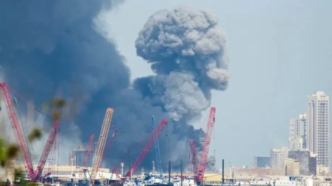
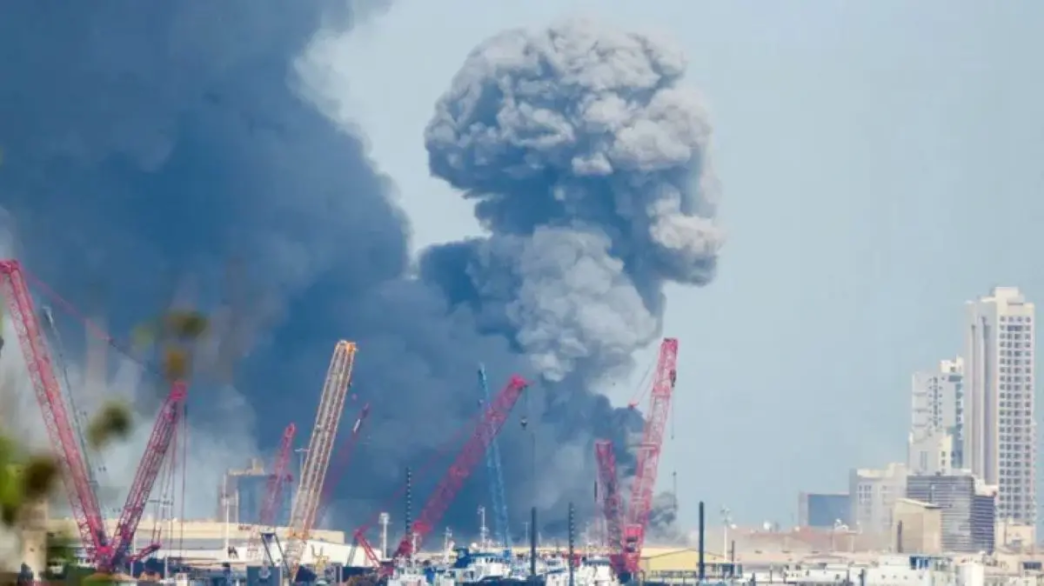
Iran has launched attacks on US military targets in the Middle East in retaliation for American strikes on Iranian territory, marking another escalation in the six-month conflict between Tehran and Washington.
Iran’s Islamic Revolutionary Guard Corps (IRGC) said on Monday that it fired ballistic missiles at two US air bases in Jordan, claiming the strikes caused “heavy damage”. Jordan’s military said it intercepted eight missiles but did not identify their launch sites.
Tehran also said it targeted US military personnel at an air base in the United Arab Emirates and shot down an American drone over the Strait of Hormuz.
The attacks followed US military action on Sunday against Iranian rocket launchers on Larak Island, located in the Strait of Hormuz. Washington said the operation was intended to stop Iranian forces from deploying additional sea mines in the strategic waterway.
“US forces took limited, precise action against IRGC minelaying forces posing an imminent threat in the Strait of Hormuz,” US Central Command said.
The IRGC said the American strikes caused casualties and described its subsequent missile attack as a response to what it called “US-Zionist aerial aggression”. Iran’s foreign ministry condemned the Larak operation and characterised Tehran’s military response as an act of “legitimate defence”.
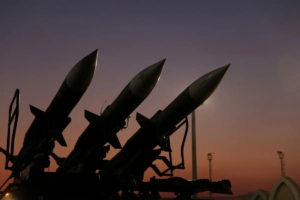
Iranian President Masoud Pezeshkian said Tehran did not want a wider conflict but would respond to further attacks.
“We are not seeking war, but we will deliver a decisive response to the aggressors,” Pezeshkian said in remarks carried by state television before travelling to Kyrgyzstan for a summit also involving Russian President Vladimir Putin and Chinese President Xi Jinping.
The renewed exchange of fire comes shortly after the war reached the six-month mark and follows several weeks in which direct military confrontations had declined. The administration of US President Donald Trump has recently placed greater emphasis on economic pressure against Tehran.
Read More : UN Chief Warns ‘War On Nature’ Continues
The Strait of Hormuz remains a major focus of the conflict. Iran has effectively blocked the waterway, through which about one-fifth of global oil supplies passed before the war began on February 28. US Central Command says American forces recently completed clearing sea mines from international shipping routes in the strait.
Months of diplomatic efforts involving mediators including Qatar and Pakistan have failed to produce a final settlement. An April ceasefire reduced the intensity of fighting, while a memorandum of understanding towards a peace agreement was signed in June, but sporadic attacks have continued.
The conflict has also disrupted global energy and fertiliser supplies, while oil prices rose by at least two per cent on Monday. In the United States, the war faces growing political scrutiny as November’s midterm elections approach.