Trending
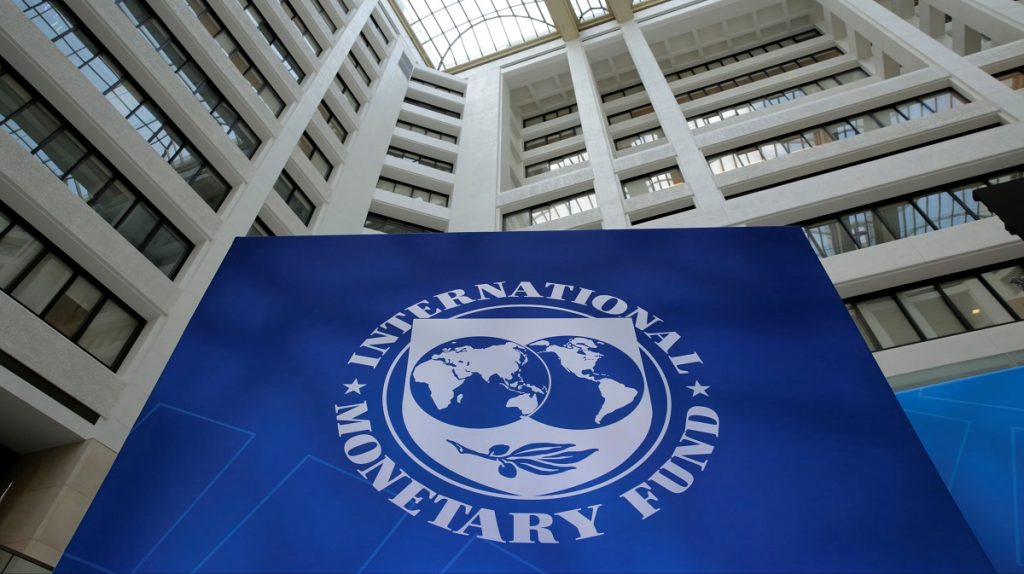
The International Monetary Fund (IMF) has warned that Gulf economies affected by the Iran war are unlikely to return to their pre-war growth paths in the medium term, despite expectations of an eventual rebound.
IMF Middle East and Central Asia regional director Jihad Azour gave the warning on Thursday as fighting involving Saudi Arabia and Yemen’s Houthi rebels continued to disrupt economic activity and maritime energy shipments.
Azour said the conflict had damaged several sectors, threatened infrastructure and created additional spending needs, making a swift return to previous growth trends unlikely.
Read More : School Roof Collapse Kills 28 in Pakistan
He explained that the economic impact would persist beyond the immediate conflict because countries would need to repair damaged infrastructure and invest more in resilience.
“We will not go back to the pre-war trajectory in the medium term because this shock will have a scarring impact on various sectors and also will disrupt a certain number of infrastructure, and will require additional spending in order to increase resilience,” Azour told reporters.
The warning follows the IMF’s latest projections, released on Tuesday, which forecast a 0.3 per cent contraction in the Middle East and Central Asia region in 2026, reflecting the effects of the war in Iran and its wider economic consequences.

Saudi Arabia is among the countries expected to suffer significant losses, with the IMF projecting a 3.3 per cent contraction in its economy. The forecast points to a possible recession for the kingdom, whose economy has traditionally benefited from strong energy exports.
The economic outlook was also a major concern at meetings in Bangkok this week, where officials and experts discussed global challenges, including persistently high energy prices and questions about the durability of the artificial intelligence boom.
Read More : UK’s Reform Party Hit by New Racism Scandal
On Wednesday, IMF Managing Director Kristalina Georgieva warned that continued attacks on Saudi Arabia could have consequences far beyond the region, affecting people and economies around the world.
The conflict between the Saudi-led coalition and Yemen’s Houthis has heightened in recent days, with missile strikes reportedly hitting airports, energy facilities and the headquarters of Saudi state oil company Aramco.
The attacks have added to concerns about the security of critical energy infrastructure and shipping routes, raising the risk of prolonged disruption to regional trade and global energy supplies.