Trending
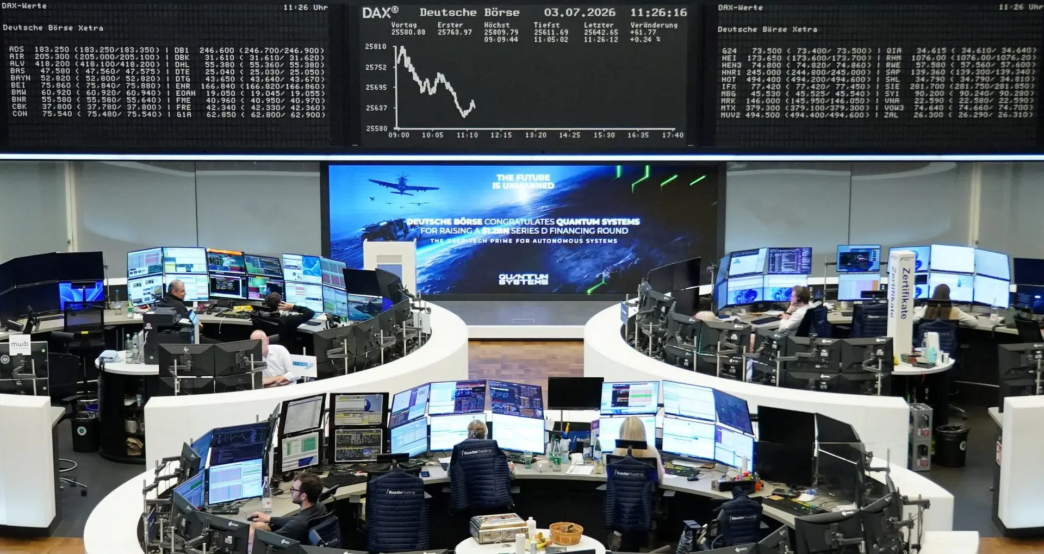
Global stock markets dipped on Friday as unexpectedly strong U.S. August job growth heightened expectations that the Federal Reserve will raise interest rates at its upcoming September 16 meeting.
Following last month’s robust hiring numbers, investors quickly concluded that the resilient labour market would compel Fed Chairman Kevin Warsh to prioritise combating persistent inflation over monetary easing.
The report triggered a sharp rally in two-year U.S. Treasury yields and boosted the U.S. dollar against major global currencies. At the same time, traders pared back equity positions ahead of the American Labour Day weekend.
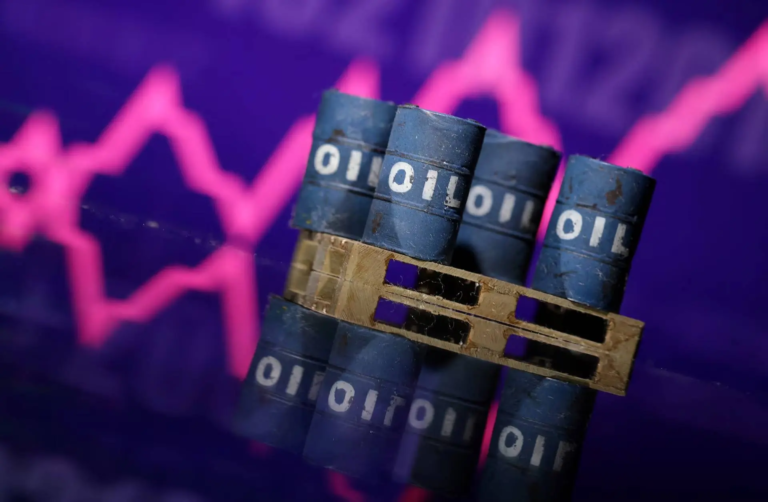
Mounting inflation anxieties further rattled markets as U.S. diesel prices hit a record $5.85 per gallon—a steep rise driven by lingering geopolitical tensions and airstrikes involving the U.S., Israel, and Iran.
Although oil prices eased slightly after earlier weekly spikes, ongoing conflicts continue to restrict tanker traffic through the strategic Strait of Hormuz.

Analysts noted that strong employment data coupled with elevated energy costs reinforces the central bank’s belief that rising prices remain the chief threat to the economy.
Wall Street indices traded lower by late morning, while European markets closed mixed despite earlier rallies across Asia.
Read More : Volvo Cuts 2,500 Jobs After Q3 Loss
In corporate developments, Volkswagen provided a rare bright spot for European equities, with its shares surging over six per cent after management agreed with unions to eliminate 100,000 jobs—roughly 15 per cent of its global workforce—by the end of the decade.
The drastic cost-cutting measures aim to restore competitiveness for Europe’s largest automaker as it battles U.S. trade tariffs, sluggish electric vehicle demand, and aggressive Chinese market competition.
The announcement lifted Germany’s DAX index even as broader global markets felt the weight of shifting rate expectations.