Trending
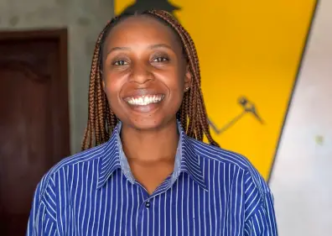
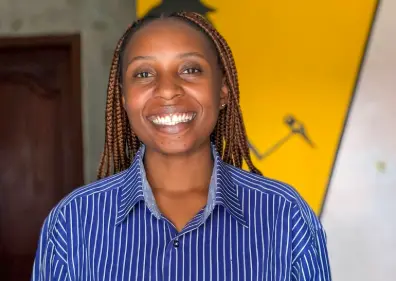
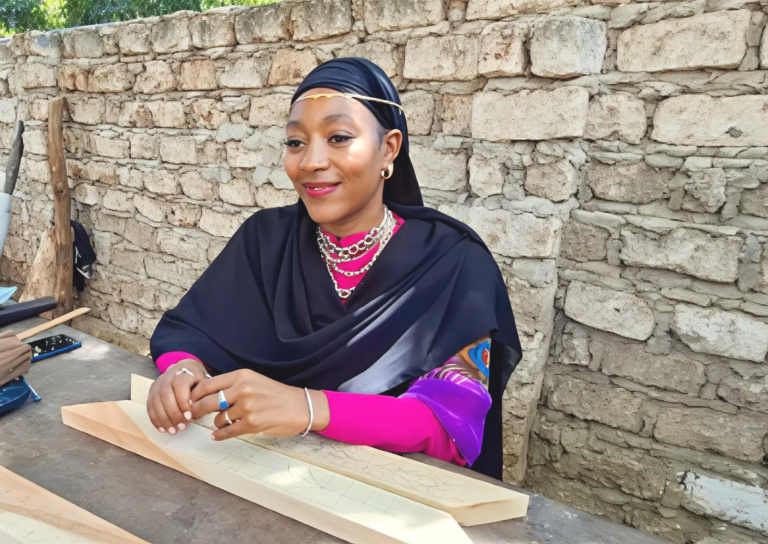
Rwandan filmmaker Nailla Simbi has moved from editing into directing, creating space for more women behind the camera.
Simbi, a filmmaker and director at Dric Ent, began her career as an editor before moving into camera operation and directing. Her experience behind the computer helped her understand framing, camera angles and how visual choices can shape a story.
“Being behind the computer editing, it requires you to know what a good frame looks like, what a good angle looks like,” she said.
Read More : Africa’s Energy Shock Tests Economic Reforms
That experience made it easier for her to move into camera operation and eventually directing. Simbi said she always plans carefully before filming but remains ready to change her approach when conditions change.
“I always have a plan,” she said. “But when it doesn’t go the way I wanted it to go, I think outside of the box and I try to do something different.”
Her filmmaking journey has also been shaped by her brother, a director and cinematographer, whose work exposed her to the challenges of film production. Across Africa, women remain underrepresented in filmmaking, particularly in technical roles.

United Nations Educational, Scientific and Cultural Organisation (UNESCO) says women make up less than 10% of film professionals in parts of Central, Eastern and Western Africa.
Rwanda is among the countries where women make up at least 30% of professionals working both behind and in front of the camera, although men still dominate many technical positions.
Rwandan film producer Armand Ikuzwe Bitega said women’s access to senior creative and technical roles can be affected by how the industry is structured. He said prejudices about women’s ability to handle long production hours can influence who receives opportunities to gain experience. Bitega said the problem is not women’s ability but “how the industry is set up”.
“I have seen firsthand what happens when women are empowered. And I think that’s one way our industry is going to grow,” he said.
Simbi said she also faced doubts early in her career, with some people questioning whether she was responsible for work credited to her.
“I was getting credited, but people thought someone else was doing it,” she said.
She said the experience was frustrating because she was doing the work, but people still struggled to believe she was behind it.
The Urusaro International Women Film Festival, founded by CineFEMMES Rwanda, is helping address the imbalance by providing female filmmakers and technicians with training and production opportunities.
Simbi’s directing experience includes the music video “Do It” by J-Sha and Andy Bumuntu, where she worked with twins and had to communicate her creative vision clearly to the cast and crew.
“You have to tell them so that what they’re doing can match your vision,” she said.
Rwandan gaffer Bright Ngabo, who has worked with Simbi, praised her communication and willingness to listen to other crew members.
“She communicates well,” Ngabo said. “And also, she gives a room for the crew also to participate, to bring their ideas.”
Simbi is now focused on developing her cinematography skills, including lighting, composition, cameras, and other technical aspects of production.
“I would love to see myself being a cinematographer on those kinds of projects,” she said.
She also hopes to see more Rwandan women become directors, editors, cinematographers and gaffers. Her long-term ambition is to work on productions where women hold key technical roles and eventually lead an all-female film crew.
For now, Simbi continues to learn from every production, using each experience to improve her work and strengthen her place behind the camera.
Credit: Iradukunda Heaven by Bird Story Agency