Trending
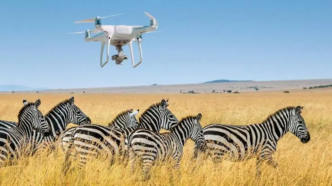
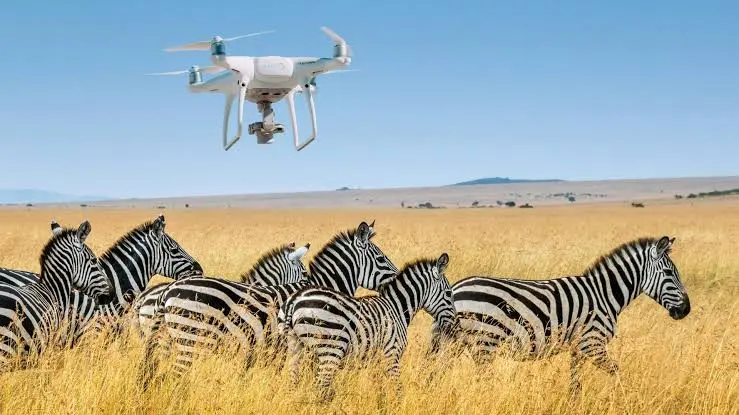
African conservationists are rolling out wildlife censuses to track populations as climate, habitat loss and human activity put pressure on wildlife landscapes.
The surveys are covering large landscapes, crossing national borders and combining aerial counts with camera traps, photographs, tracking devices and other monitoring tools.
Read More : ANC Faces Voter Backlash Over Municipal Failures
A new lion census is underway in the Kgalagadi Transfrontier Park, where researchers are spending three months counting lions across a landscape shared by South Africa and Botswana.
South African National Parks and the Endangered Wildlife Trust began the survey on August 1, with fieldwork running until October 31. Kalahari Research and Conservation is conducting a parallel survey in Botswana, with the results to be combined to estimate the population across the park.
Researchers are using vehicle surveys and camera traps, identifying individual lions through their whisker-spot patterns. The survey is measuring population size, distribution, movements and the balance between males and females.
The 2026 exercise follows three months of data collection in 2025, giving researchers another set of observations against which future counts can be compared.
“Reliable information about the population is essential to support informed conservation and management decisions,” SANParks says.
South Africa’s free-roaming cheetahs are also being counted.
A four-year census released in July 2026 identified 119 cheetahs, 83 mature adults and 36 cubs, across parts of the Northern Cape, North West and Limpopo.
Previous assessments had estimated about 300 adults. The new census covered an area about 2.4 times the size of the Netherlands and involved more than 400,000 kilometres of field travel, 389 camera traps, 5.2 million images and interviews with 299 farmers and landowners.
Researchers also collected biological samples and analysed GPS tracking data.
The survey showed that the 119 animals are not moving through one fully connected landscape. Cheetahs in the west move across commercial livestock farms and towards the Botswana border, while further east, game farms, hunting estates, protected areas and fencing restrict movement.
The findings have given conservationists a baseline for identifying where connectivity is being maintained and where corridors may need protection.
The counting is being repeated in the Greater Kruger landscape.
The Endangered Wildlife Trust and SANParks launched the 2026/27 Greater Kruger Cheetah Photographic Census on September 1.
Photographic monitoring began with wild dogs in the late 1980s and expanded to cheetahs in 1990. Dedicated cheetah censuses followed in 2004/05, 2009/10 and 2021/22.
The latest census combines visitor photographs, camera-trap images, ranger records and previous monitoring data. Researchers identify individual cheetahs through their coat patterns.
The 2021/22 census recorded one cheetah moving more than 90 kilometres between sightings and using a potential range of more than 810 square kilometres.
The current survey is tracking population size and distribution, cub survival, lifespan, movements, threats and areas important for connectivity.
Game warden Gert Kruger, who has been involved in wildlife monitoring at South Africa’s Balule Nature Reserve, explains that the value of a census extends beyond the number of animals recorded.
“Numbers, distribution, age groups, breeding success and changes over time can all help us understand what is happening in the reserve,” Kruger said.
“We can’t protect what we don’t understand, and good conservation decisions need good information behind them,” he said.
Kenya has also built repeat counts into its national wildlife monitoring.
Its 2025 census recorded 42,072 elephants, compared with 36,280 in 2021. Black rhinos increased from 897 to 1,059, while southern white rhinos rose from 842 to 1,041.
Waterbird populations across 11 key bird areas fell by 80%, while rangeland buffalo declined from 41,659 to 27,389.
The census covered about 45% of Kenya’s land area and combined aerial surveys, ground counts, camera traps and spatially explicit capture-recapture methods.
The Kenya Wildlife Research and Training Institute is sharing the data with all 47 counties to help identify wildlife corridors and inform land-use planning.
“The collected data set is a working tool, and it will help counties identify encroached corridors, restore connectivity between ecosystems, and support sustainable wildlife management,” WRTI director Patrick Omondi said.
Mozambique’s latest elephant census provides another comparison.
The 2025 survey estimated 22,718 elephants, compared with 9,114 in 2018. The proportion of elephant carcasses recorded during the survey fell from 48.35% to 4.6%.
The survey also recorded agriculture, settlements, logging and mining inside conservation areas.
Tanzania’s latest national wildlife census stretches the comparison across a decade.
The 2024/25 census covered 340,748 square kilometres, compared with 297,224 square kilometres during the 2014/15 census.
Elephant numbers rose from 46,408 to 66,714, buffalo from 242,945 to 328,437 and rhinos from 142 to 285.
Uganda is working with shorter monitoring intervals.
Its latest State of Wildlife Resources assessment compared populations recorded in 2021–22 with surveys conducted between 2023 and 2025.
Buffalo increased from 32,235 to 41,548, and Uganda kob from 166,526 to 175,109. Elephants fell from 6,621 to 6,352, while lions declined from 314 to 291.
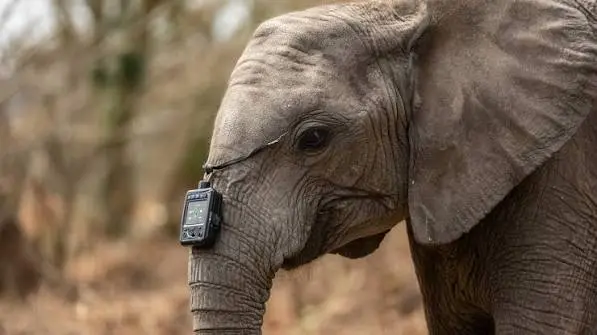
The Uganda Wildlife Authority is combining aerial surveys with camera traps, SMART patrols, satellite collars, EarthRanger and digital ecological databases.
The tracking systems can show where individual animals move, but UWA says they cannot estimate an entire population because only a small proportion of animals can be collared.
Across borders, countries are also coordinating their counts.
In June 2026, ministers from Angola, Botswana, Namibia, Zambia and Zimbabwe approved preparations for a second coordinated survey of large herbivores in the Kavango-Zambezi Transfrontier Conservation Area.
KAZA’s first synchronised elephant survey was conducted in 2022–23. The conservation area spans five countries and contains more than half of Africa’s remaining savannah elephants.
A separate three-year monitoring initiative launched across KAZA in 2026 is linking data on southern giraffes, elephants, lions and African wild dogs.
Newer tools are adding another layer of monitoring.
Read More : Kenyan Artist Revives Lamu Woodcarving Tradition
Conservation organisations in Rwanda began using environmental DNA in Volcanoes National Park in 2026, while researchers in Botswana are testing satellite imagery and artificial intelligence to identify elephants from space.
The tools can fill gaps between conventional surveys, but the counts provide the measurements needed to compare populations across years.
Bonface Orucho, Bird Story Agency.