Trending
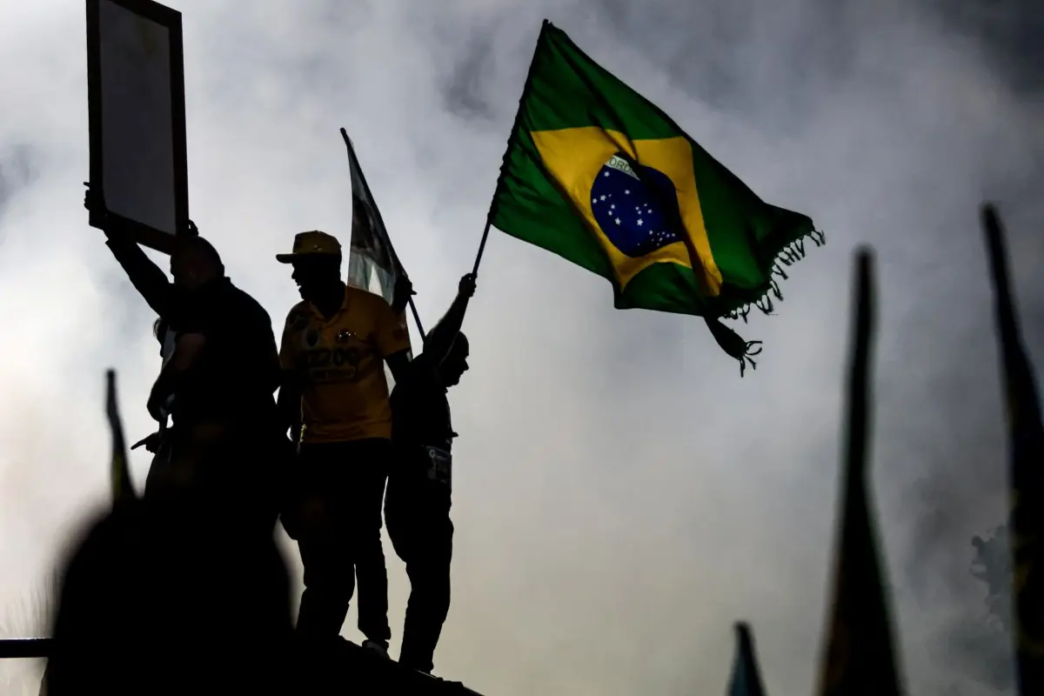
Brazilian President Luiz Inácio Lula da Silva and his main challenger, Flávio Bolsonaro, have concluded their election campaigns with large rallies across São Paulo, each calling on supporters to deliver a decisive victory in Sunday’s first-round vote.
Lula, 80, travelled through Sao Paulo on a campaign truck surrounded by supporters dressed in his Workers’ Party colours. The veteran leftist, seeking a fourth term as president, told crowds he expected to secure victory without a runoff.
“Tomorrow we’re going to win the elections in the first round,” Lula said, promising to “defeat the far right.”
Lula has made Brazil’s sovereignty a major theme of his campaign, particularly in response to pressure from US President Donald Trump. He has warned against foreign interference in Brazil’s electoral process and accused outside actors of attempting to influence the country’s political direction.
Flavio Bolsonaro, 45, the son of former president Jair Bolsonaro, also ended his campaign with a large rally in São Paulo state. He led a motorcycle parade through the state’s interior, adopting a campaign style associated with his father.
“Don’t vote in installments twice. Do it all at once this Sunday,” Bolsonaro said in a video released before the rally.
The election has become a closely fought contest between Lula’s left-wing coalition and Bolsonaro’s right-wing movement, with polls indicating that neither candidate is likely to secure the 50 per cent threshold required to win in the first round. The two are also running closely in projections for a potential October 25 runoff.
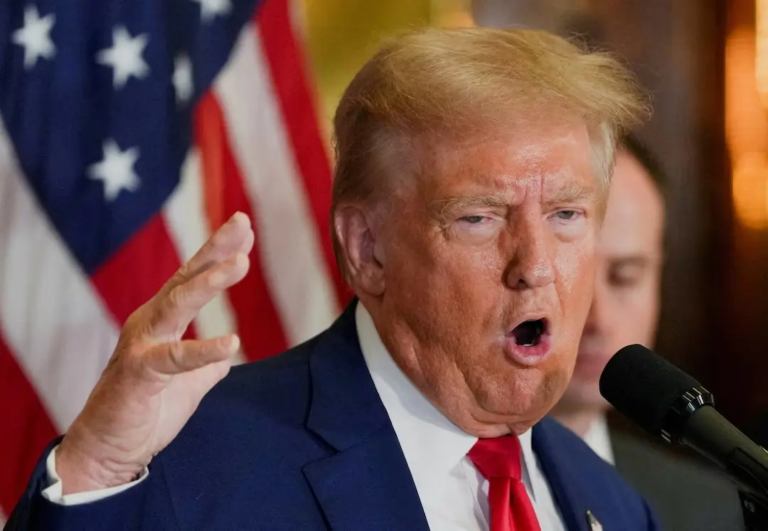
The outcome could have broader implications for Latin America, where several countries have shifted towards conservative political movements. Trump has not endorsed Flavio Bolsonaro but has said he is watching the election “very closely.”
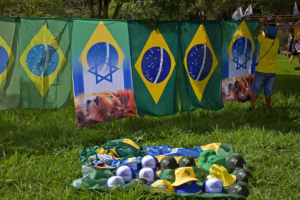
Lula supporters have framed the vote as a defence of democracy and national sovereignty.
Adriana Lima, a 44-year-old early childhood educator, described Lula as “the only president who cared about the people” and said Brazil could not allow Trump to treat the country “like their backyard.”
Another supporter, accountant Tiago Lorureto, said the election represented “a choice between democracy and barbarism.”
Flavio Bolsonaro has campaigned on tougher security policies, fiscal restraint and criticism of Lula’s handling of the economy and cost of living. His supporters have focused on household finances and frustration over the lack of disposable income.
Marcelo Peressim, a 50-year-old business owner who attended Bolsonaro’s rally, said many Brazilians work long hours but still struggle financially.
“We work almost 24 hours a day to have a good life and provide a good life for our families, yet there’s never any money left over for us to do anything,” he said.
The campaign has also been marked by allegations, personal attacks and online misinformation.
Read More : US Searches for Missing Medical Evacuation Plane
Flávio Bolsonaro has faced scrutiny over an investigation into the financing of a biopic about his father, while both campaigns have relied heavily on social media, including AI-generated material, to reach voters.
The stakes are particularly high after Lula defeated Jair Bolsonaro by just 1.8 percentage points in the 2022 election.
Beyond the presidency, Brazil’s nearly 160 million registered voters will also choose lawmakers, governors and some senators, making Sunday’s vote significant for the country’s political balance and the direction of its government.