Trending
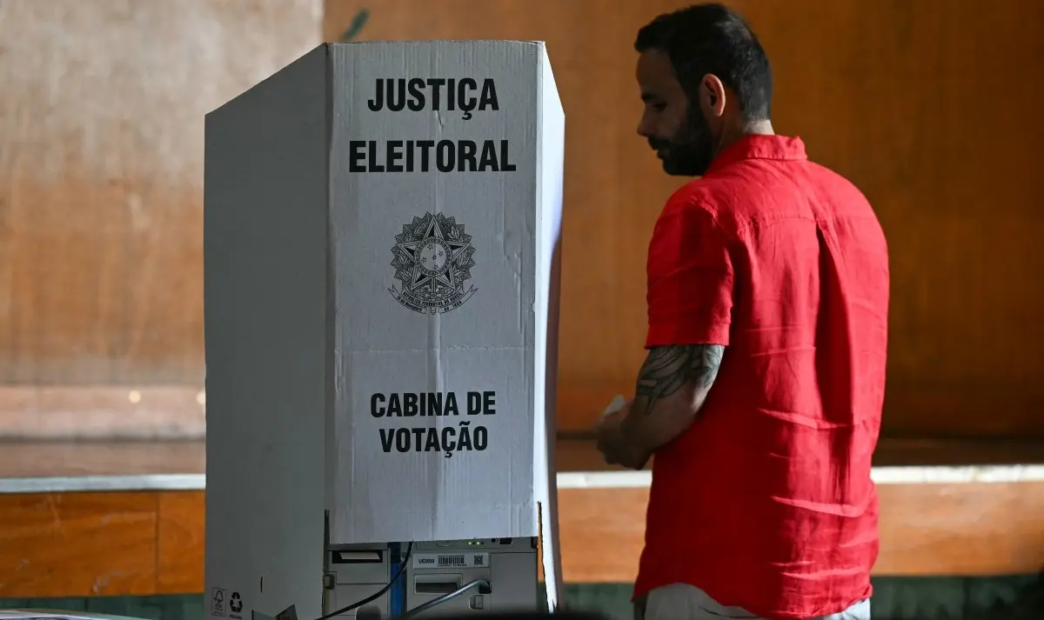
Brazilians began voting on Sunday in a closely contested presidential election between incumbent Luiz Inacio Lula da Silva and right-wing Senator Flavio Bolsonaro, with the outcome being watched in Washington.
Voting is taking place across the country, from remote communities in the Amazon to agricultural regions in the south and densely populated urban areas, with many voters facing a choice between two deeply polarising candidates.
Lula, who is approaching 81 and is seeking a fourth and final term, has framed the election as a defence of Brazil’s democracy and sovereignty, particularly in the face of pressure from US President Donald Trump.
Read More : France: 500 Schools Expected to Close on Monday
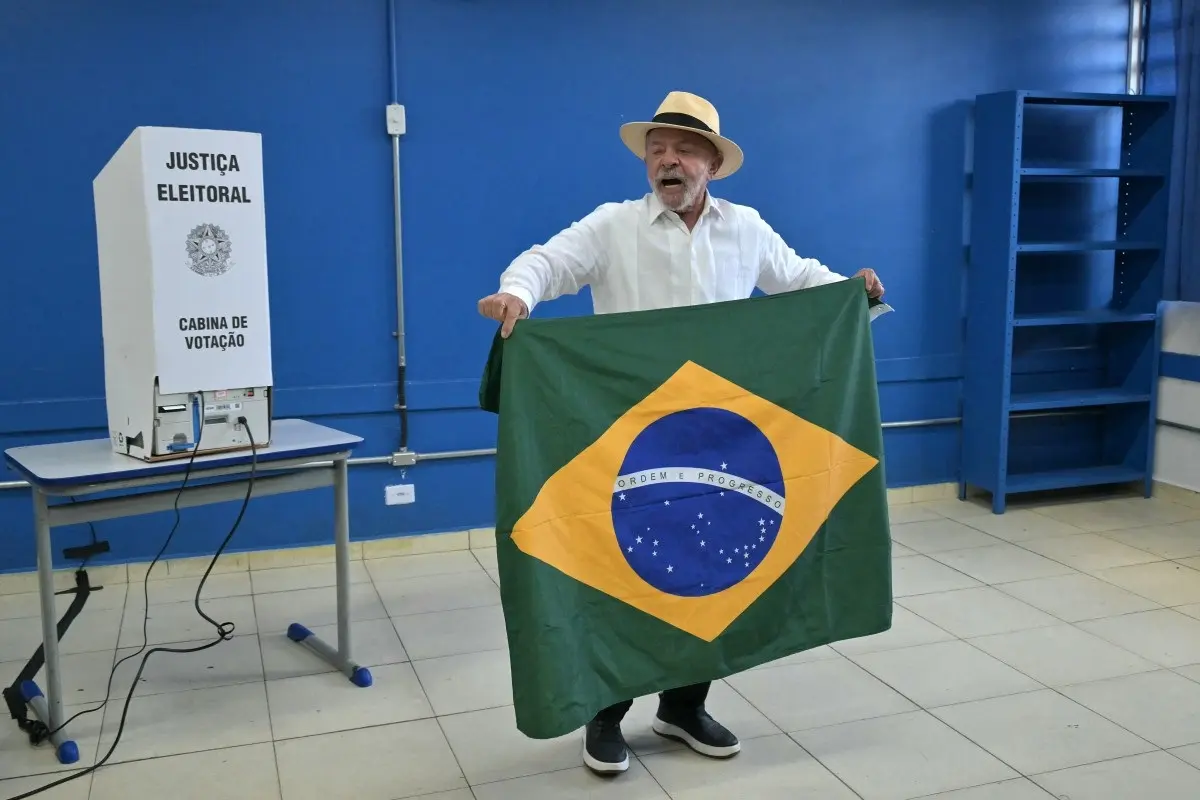
After casting his ballot in Sao Paulo, Lula said voters were effectively choosing between strengthening Brazil’s democratic institutions and a return to what he described as “barbarism”.
“The people will have to choose between strengthening the democratic regime and barbarism,” Lula said after voting in the state of Sao Paulo.
His main challenger, 45-year-old Flavio Bolsonaro, is the son of former president Jair Bolsonaro, who is serving a 27-year prison sentence after being convicted over an attempt to overturn his defeat in the 2022 presidential election.
Flavio Bolsonaro has campaigned on promises of political change and tougher action against crime, which remains a major concern for voters.
After voting in Rio de Janeiro, he argued that Brazilians could no longer endure what he described as excessive suffering and high taxes, while highlighting violence against women and pledging to improve conditions for citizens.
“Brazil cannot bear any more suffering, such high taxes, so many women killed. I want to free the Brazilian people,” he said.
Polls indicate that neither candidate is expected to secure the more than 50 percent of votes required for an outright first-round victory, with surveys also showing a close contest between the two ahead of an October 25 runoff.
Both candidates face high levels of rejection in a country where political divisions remain entrenched.
Some voters described the election as a choice between two unpopular alternatives. Janaina Oliveira, a 45-year-old financial administrator in Rio de Janeiro, said she voted for Bolsonaro because she viewed him as the lesser of two evils.
“We’re basically in a situation where we’re voting for the lesser of two evils,” said Janaina Oliveira.
Oscarina de Oliveira, a 62-year-old caregiver, said she initially intended to support Lula but changed her mind at the polling station, saying she wanted to see whether Bolsonaro could bring change.
Brazil uses electronic voting machines, with preliminary results expected within hours of polls closing at 5pm local time.
United States President Donald Trump has featured prominently in the election campaign, particularly through his support for Jair Bolsonaro and his pressure on Brazil over a range of political and economic disputes.
Flavio Bolsonaro’s campaign events have displayed large US flags and images of Trump, who has said he is closely following the election but has stopped short of endorsing the senator.
The US president has used tariffs and sanctions against Brazil while criticising Brasilia over the prosecution of Jair Bolsonaro and what his administration describes as unfair trade practices.
Lula has repeatedly warned Trump against interfering in Brazil’s electoral process, arguing that the country must determine its political future independently.
Maria de Nazare Azevedo, a 57-year-old civil servant and Lula supporter, said she was concerned about Brazil’s independence and did not want the country to become subordinate to another nation.
Flavio Bolsonaro has also faced controversy during the campaign. He is under investigation over alleged corruption linked to financing for “Dark Horse”, a biographical film about his father.
Bolsonaro has maintained an advantage among voters in southern Brazil, wealthier sections of the population and evangelical Christians, while Lula remains stronger in the poorer northeast, among low-income voters, Catholics and women.
Lula’s political comeback followed his victory over Jair Bolsonaro in the 2022 election, after corruption convictions that had resulted in him spending more than 18 months in prison were overturned on procedural grounds.
He defeated Bolsonaro by just 1.8 percentage points in that election.
The riots in Brasilia and the subsequent coup attempt following Lula’s victory allowed the president to strengthen his image as a defender of Brazil’s democratic institutions. However, the prosecution and conviction of Jair Bolsonaro have also intensified the country’s political divisions.
During his current term, Lula’s government has overseen declines in inflation and unemployment, although rising living costs remain a major concern among voters.
His administration has also significantly reduced deforestation in the Amazon, though environmental issues have played a relatively limited role in the campaign.
In the Amazon, Indigenous chief Bepdjo Mekragnotire, 45, of Bau village, said his community supported Lula and feared a Bolsonaro victory could worsen illegal mining and logging.
He warned that a change in government could mean more threats to Indigenous communities and the environment.