Trending
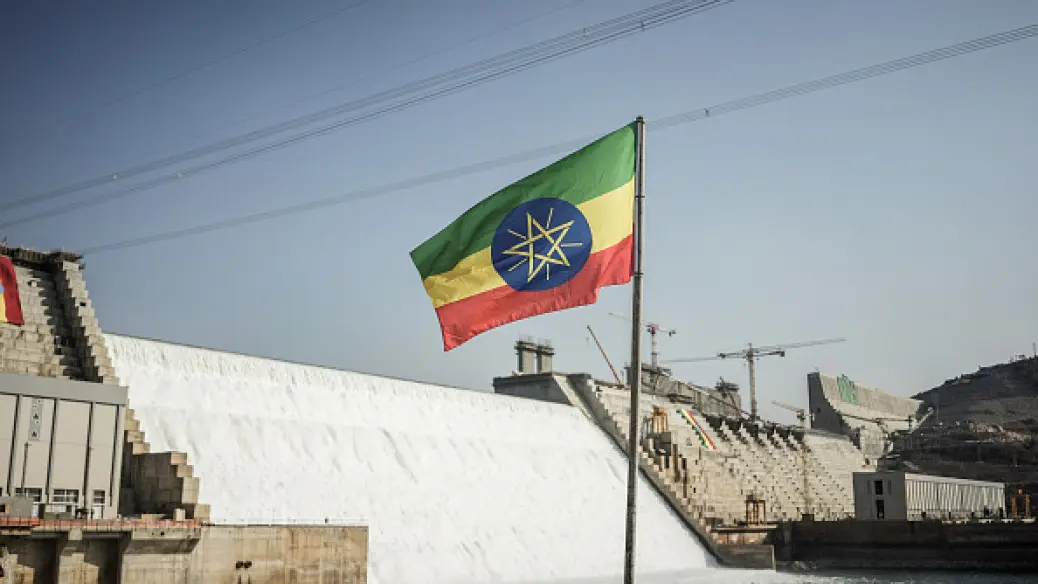
Ethiopia has reasserted its stake in two of the region’s most contested resources: the Blue Nile and the Red Sea.
Ethiopia’s Ministry of Foreign Affairs issued a statement on Monday amid persistent tensions with neighbouring states over water rights and maritime access.
It stated that “virtually all of the Blue Nile originates in the Ethiopian highlands,” adding that the Abay, as the river is known locally, contributes about 85 per cent of the Nile’s total flow.
Read More : Ethiopia Seizes Tigray Capital as Rivals Meet
On the Red Sea, Addis Ababa struck a similarly assertive tone. Though landlocked since Eritrea’s independence, Ethiopia described itself as “both geographically and historically connected” to the waterway, noting that its nearest border lies “barely 30 miles from the coast.”
It argued that any serious discussion of regional maritime affairs and security architecture “must account for Ethiopia’s legitimate interests.”

The statement also carried a pointed warning, though it named no country. It said these realities “cannot be altered by political rhetoric, coercive measures, or acts of destabilisation,” and cautioned that actions taken “through proxies or acts of aggression” would not diminish Ethiopia’s role or responsibilities in the region.
Even so, the ministry sought to balance firmness with diplomacy, saying that Ethiopia “continues to pursue peaceful engagement, mutual respect, and regional cooperation,” while standing “ready to defend its sovereignty, territorial integrity, and core national interests.” It urged regional actors to address shared challenges through “constructive dialogue, partnership, and adherence to the principles of good neighbourliness rather than confrontation and zero-sum approaches.”
The statement did not identify any specific party, but its emphasis on the Nile and the Red Sea, issues long tied to Egypt, Sudan and Eritrea, suggests it is aimed at regional rivals.