Trending
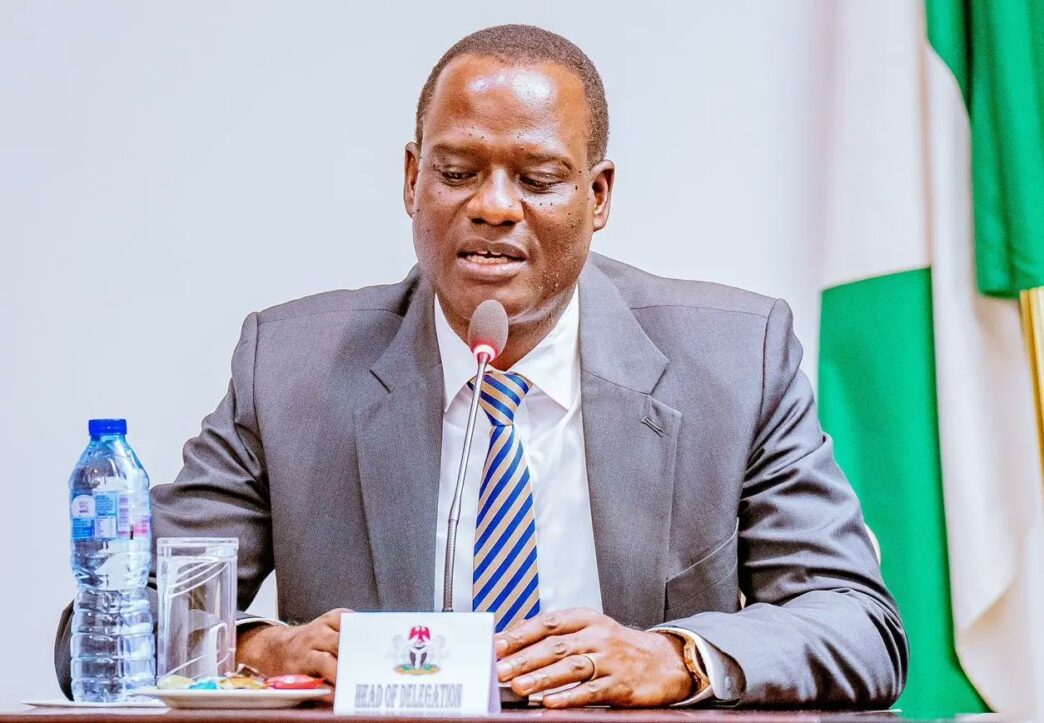
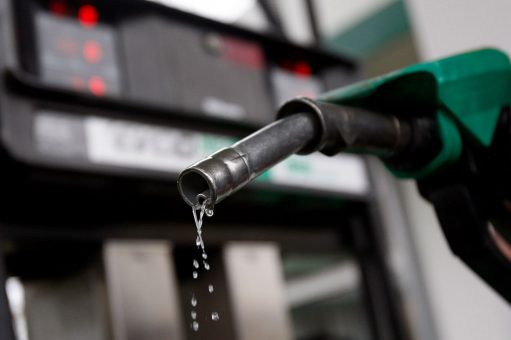
Returning to petrol subsidy could push pump prices to at least N2,000 per litre and weaken the naira to around N3,000 per dollar within months, Nigeria’s finance minister warned on Thursday.
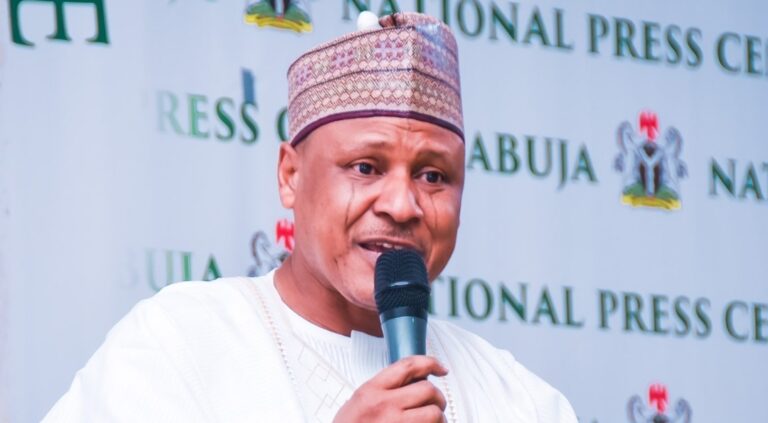
Taiwo Oyedele, Minister of Finance and Coordinating Minister of the Economy, gave the projection at a press briefing on fuel prices and the subsidy debate in Abuja.
He said restoring subsidy would cut government revenue, risk a sovereign credit downgrade, raise borrowing costs and trigger capital flight and a decline in foreign exchange reserves.
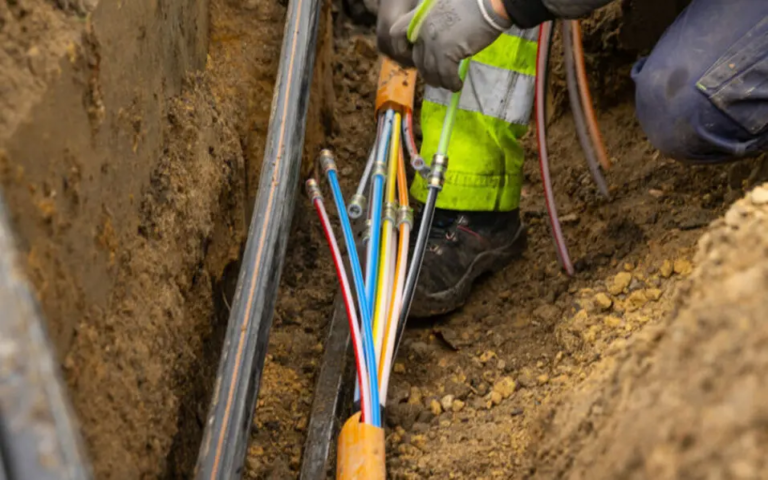
Read More : Nigeria to Deploy 90,000km Fibre Network by 2028
“Borrowing becomes costlier, capital leaves, reserves fall, naira weakens. The progress on inflation, which has allowed the central bank to begin lowering interest rates, will be put at risk,” Oyedele said.
“Our estimate is that the exchange rate could approach N3,000 per dollar within months. And the so-called subsidised petrol will cost at least N2,000 per litre. This is well above what Nigerians pay today.”
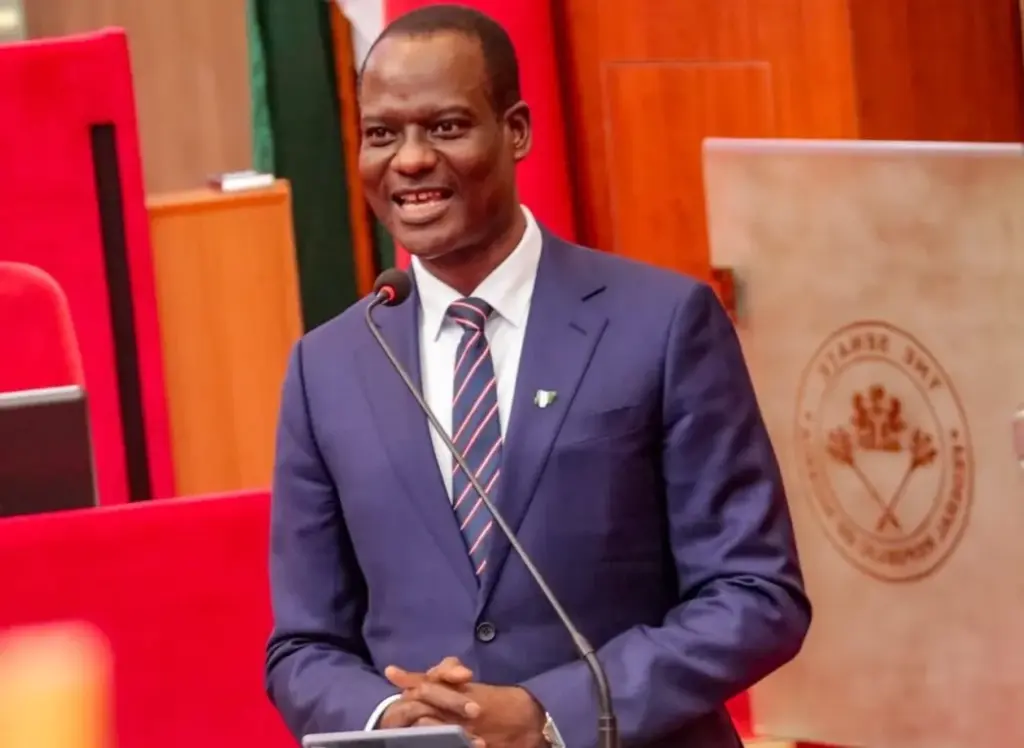
Oyedele claimed that the subsidy does not lower the underlying cost of petrol but merely shifts the burden onto government finances.
“A subsidy does not lower the cost of oil. It only changes how it is paid and when. Nigerians have paid that bill before in scarcity, in inflation, and in a collapsing currency,” he said.
He said funding a subsidy would require delayed salaries and pensions, higher taxes or money printing.
“However it is described, a subsidy must be financed through salaries and pensions not paid on time, through higher taxes, or through the printing of money, like we saw before this current administration,” he said.
“Over 30 trillion naira was printed. That’s inflation we’re dealing with. It wasn’t even just about the reform. Each of these has done great harm before.”
Oyedele said the measure would offer short-term relief at the cost of long-term fragility.
“Short-term relief, but with long-term fragility, is the most expensive money a government can spend,” he said.