Trending
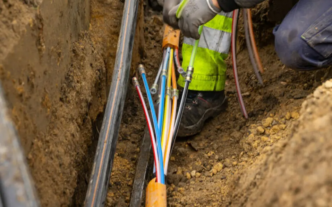
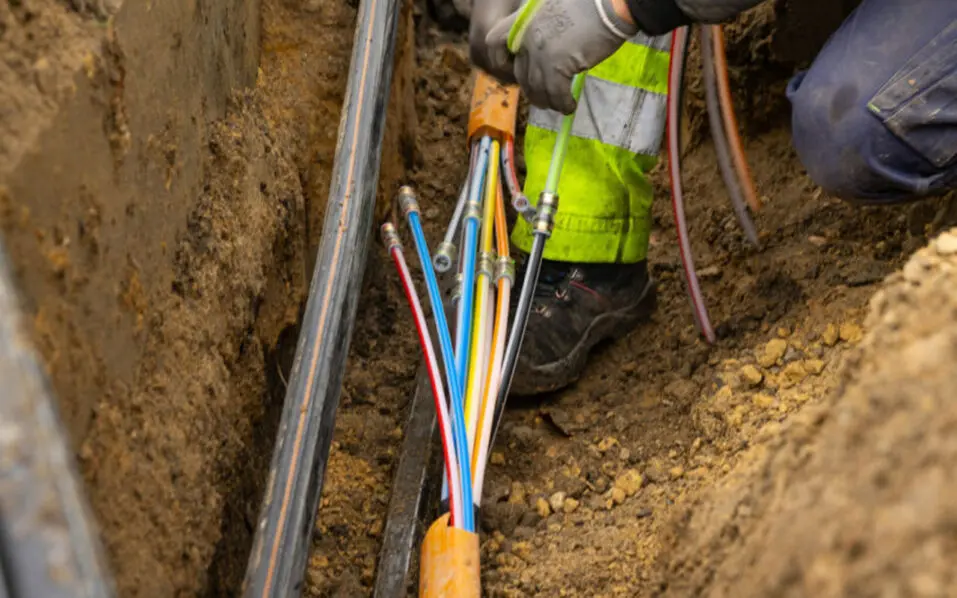
The Nigerian Government is set to deploy 90,000 kilometres of open-access fibre across the country by 2028 under Project BRIDGE, a digital infrastructure initiative designed to expand broadband connectivity.
The National Chairman of the All Progressives Congress, Prof Nentawe Yilwatda, disclosed this during a virtual executive session with chief executive officers in the information technology sector.
Yilwatda said the project would increase Nigeria’s combined fibre backbone from about 35,000 kilometres to approximately 125,000 kilometres when completed.
He added that the network was expected to connect more than 200,000 schools, health facilities and other public institutions.
Project BRIDGE, which stands for Building Resilient Digital Infrastructure for Growth, is being implemented as a public-private partnership. Government records show that the project is designed to deploy at least 90,000 kilometres of fibre across Nigeria, covering all 36 states and the Federal Capital Territory.
Yilwatda, in a statement issued by his Special Adviser on Media and Information, Abimbola Tooki, described digital infrastructure as critical to Nigeria’s economic transformation.
He said the country’s ambitions in artificial intelligence, cloud computing, digital inclusion and a technology-driven economy could not be achieved without reliable and affordable connectivity.
Project BRIDGE deployment timeline
According to Yilwatda, physical deployment of Project BRIDGE is scheduled to begin in October 2026, with the delivery timeline reduced from five years to three years.
He said about $800 million in sovereign financing had already been secured for the project.
The financing comprises $500 million from the World Bank, $200 million from the African Development Bank and $100 million from the European Bank for Reconstruction and Development. The government has also secured a €22 million grant from the European Union.
The Federal Ministry of Communications, Innovation and Digital Economy has said Project BRIDGE is estimated to cost $2 billion, with private-sector investors expected to provide the remaining financing through equity and/or debt.
Yilwatda said the government incorporated Bridge Open Access in August as the independent company that would deliver the network.
Under the proposed structure, the Nigerian Government will hold between 25 per cent and 49 per cent of the company, while private investors will hold at least 51 per cent and retain operational control.
He said the arrangement was designed to allow the government to provide strategic support and de-risk the project while private investors bring capital, operational expertise and efficiency.
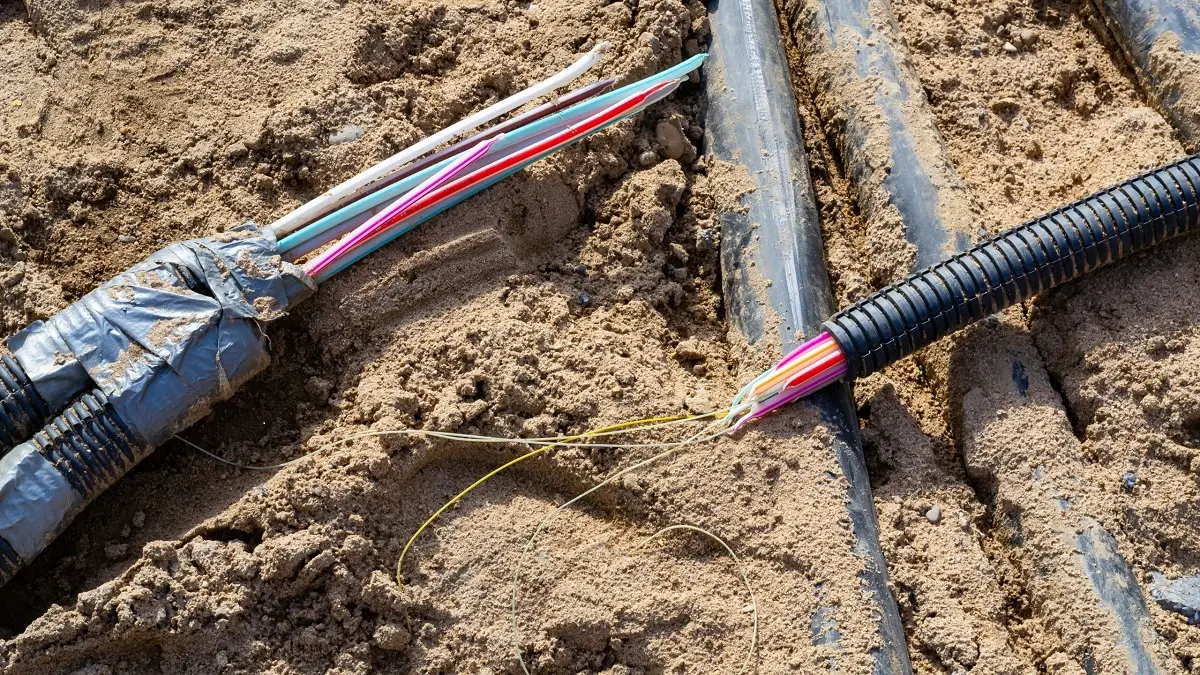
Credit: Sun
Fibre expansion to connect public institutions
Yilwatda said the completed project would take Nigeria’s combined fibre backbone to about 125,000 kilometres and connect more than 200,000 schools, health facilities and other public institutions.
He, however, cautioned that funding and policy announcements alone would not guarantee successful implementation.
“Announcements do not lay cable,” he said, stressing that about $1.2 billion in private capital was still required to complete the project’s financing.
The government’s investor documentation confirms that Project BRIDGE has an estimated $2 billion cost, with $800 million already covered by sovereign financing commitments and the balance expected from private-sector investors.
Yilwatda also warned that fibre deployment would not automatically translate into digital inclusion without complementary investments in electricity, affordable devices, data services, towers, backhaul infrastructure and last-mile connectivity.
Right-of-way challenges
The APC chairman said fibre infrastructure remained concentrated in major urban centres, with Lagos and the Federal Capital Territory accounting for more than 18 per cent of deployed fibre.
He also identified right-of-way charges, multiple permits and inconsistent regulatory requirements as major challenges facing telecommunications operators.
Yilwatda said the APC would work with the Progressive Governors’ Forum and state chapters to promote harmonised right-of-way terms and protect telecommunications infrastructure.
He called for fibre-optic infrastructure to be designated as Critical National Information Infrastructure, warning that vandalism and damage caused by road construction and other civil works could undermine investments in digital connectivity.
He also advocated greater coordination between road construction and telecommunications projects.
According to him, road contracts should include provisions for telecommunications ducts, while contractors should be required to identify and protect existing fibre infrastructure before excavation.
Yilwatda speaks on AI, cloud computing
Speaking on artificial intelligence, cloud computing and data centres, Yilwatda said the next decade would be significantly shaped by the development and adoption of AI.
He said Nigeria needed to become an active participant and beneficiary of the AI revolution rather than merely a consumer of technologies developed elsewhere.
“The question for Nigeria is not whether AI will shape our economy. It will. The question is whether we will shape it, or simply rent it,” he said.
Yilwatda noted that Nigeria already had a National Artificial Intelligence Strategy, while the Nigerian Government had also introduced the National Digital Cloud Policy.
He said the cloud policy was designed to attract about $750 million in private investment into cloud and data infrastructure within 24 months, with $250 million targeted in the first year.
Project BRIDGE is expected to expand Nigeria’s digital backbone beyond major urban centres and improve access to reliable broadband for public institutions, businesses and underserved communities.
The Federal Ministry of Communications, Innovation and Digital Economy says the project is intended to provide nationwide open-access connectivity and support digital inclusion, economic growth and job creation.