Trending
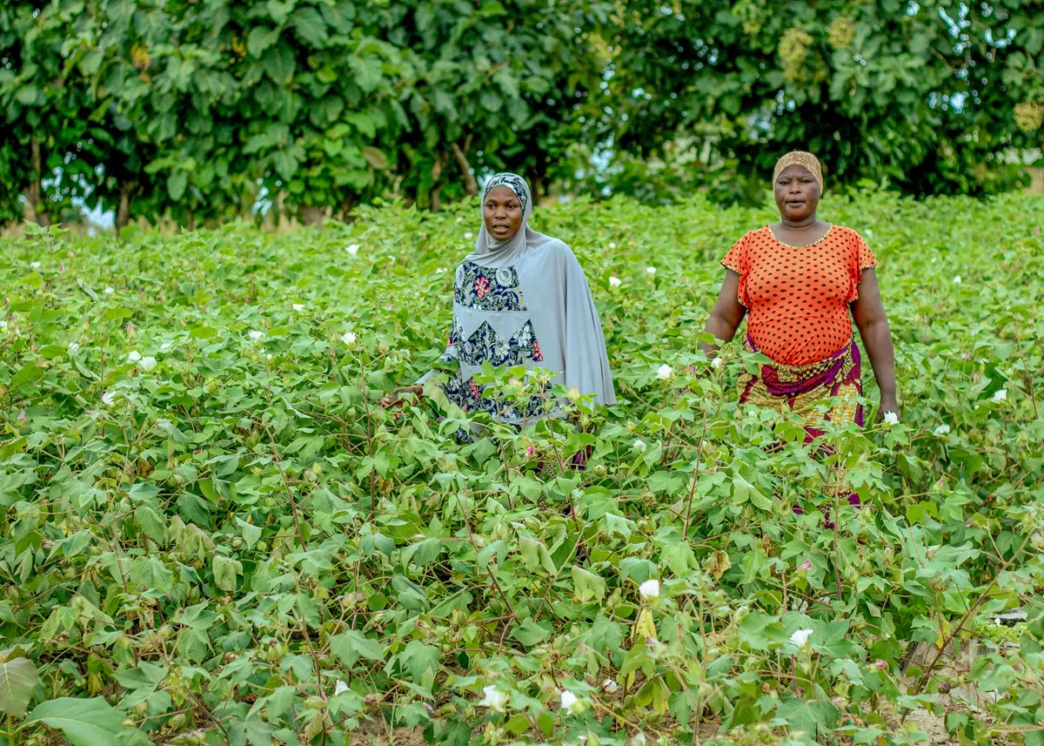
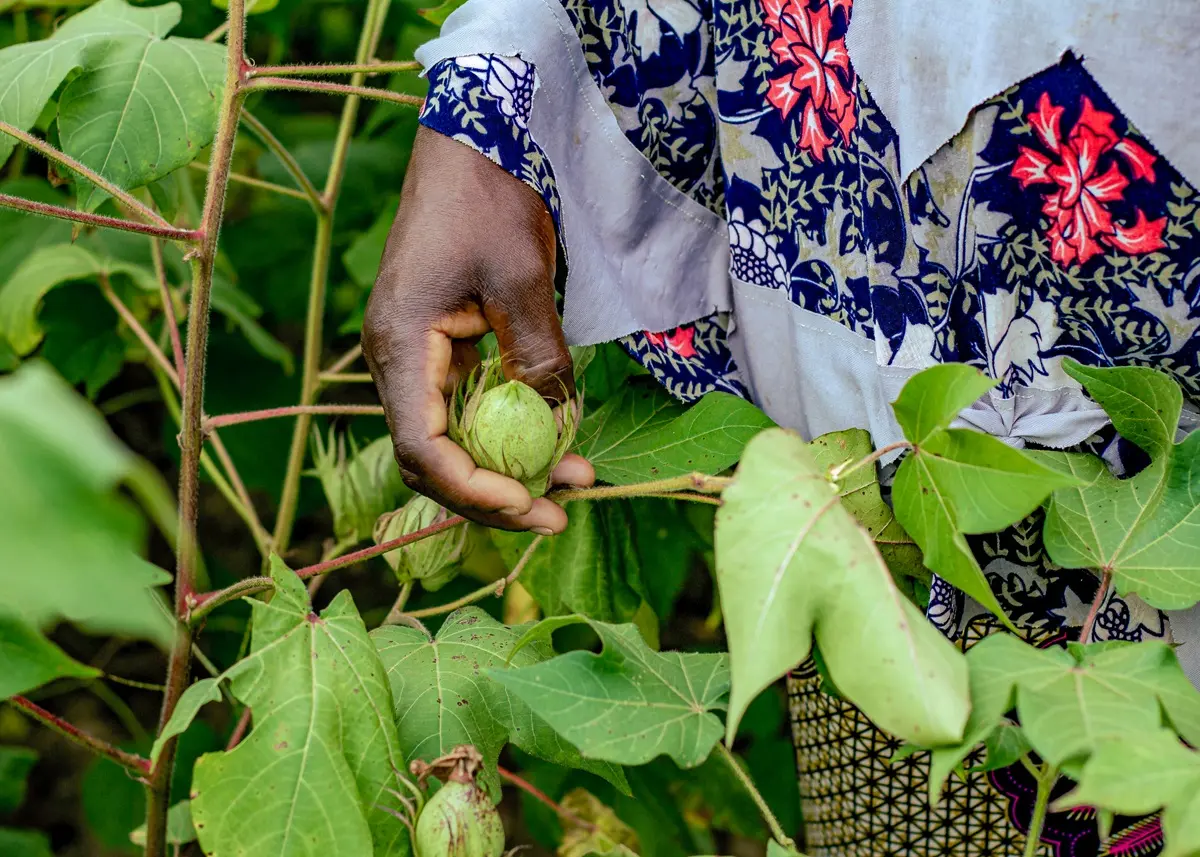
Under the intense sun in Banikoara, northern Benin, Salimatou Biobou walks through a cotton field that her husband once believed could no longer produce anything worthwhile.
By September, the 1.5-hectare plot is lush and green, with the first cotton bolls beginning to emerge. For Biobou, the field represents more than a harvest. It has become a source of income she can control and use to support her family.
The 49-year-old mother of seven has restored the land using groundnuts, animal manure and crop rotation. When she sells her certified organic cotton, the payment comes directly to her.
Read More : Nigeria’s Deadliest Air Force Crashes
She has used the proceeds to pay the school fees of two of her daughters and establish a small business that helps support the family between farming seasons.
“This money belongs to me,” Biobou says.
From Unproductive Land to a Source of Income
Banikoara is in Benin’s Alibori department, about 700 kilometres from Cotonou. Biobou began cultivating certified organic cotton there in 2021 after her husband, Samouwilou Biobou, lent her the land.
He had cultivated the plot for 15 years but believed it “could no longer produce anything good”.
Biobou decided to restore its fertility through natural farming methods.
“To restore the soil’s fertility, I first grew groundnuts on the plot. After harvesting them, I collected cow dung and goat droppings and spread them over the land. I also rotate my crops,” Biobou explains.
She never attended school but learned to count through literacy classes she attended when she went to the village market.
Today, the same piece of land provides her with an income stream that extends beyond cotton farming.
Organic Farming Helps Women Earn More
Professor Simplice Vodouhê, president of the Beninese Organisation for the Promotion of Organic Agriculture (OBEPAB), says certified organic cotton is produced without chemical fertilisers, synthetic pesticides or genetically modified organisms.
“It relies on managing soil fertility with organic matter and locally produced biopesticides,” he says.
The production process must meet strict international standards and be audited and approved by an independent certification body such as Ecocert International.
Since 2021, the “Growing Benin’s Organic Cotton Sector” project, led by the Aid by Trade Foundation, has promoted certified organic cotton production across the country.
According to Vodouhê, more than 9,000 smallholder farmers have produced certified organic cotton through the programme over five years. Women account for 45% of them.
Biobou also receives technical support from the Association of Valiant and Active Women (AFVA-ONG).
For a subsidised contribution of 25,000 CFA francs, about US$43, paid in advance, the organisation provides her with the inputs she needs. It has also taught her how to produce fertiliser from waste available at home.
AFVA-ONG, which is made up entirely of women cotton growers, has promoted organic farming in Banikoara and other northern communities since 2008. Its management and leadership training also aims to strengthen the confidence of women farmers.
A Higher Price, But Different Realities
In Tanguiéta, in the Atacora department west of Alibori, 37-year-old Mariama Kora has chosen a different path.
The mother of four grows conventional cotton on two hectares that form part of her husband’s farm.
Both women say they work for about 10 hours a day, receiving help from their children and relatives in the fields.
Biobou harvests about 800 kilograms per hectare, giving her 1,200 kilograms from her 1.5 hectares.
“I know it isn’t much, but I chose organic cotton and I don’t intend to go back,” she says with confidence.
Kora produces about 1,700 kilograms per hectare, giving her 3,400 kilograms from her two hectares.
She says the Interprofessional Cotton Association (AIC) supplies her with chemical inputs on credit at a cost of 328,000 CFA francs, about US$569.
Organic cotton sells for 360 CFA francs, about US$0.63, per kilogram, compared with 300 CFA francs, or about US$0.52, for conventional cotton.
“The additional 60 CFA francs (about US$0.10) is an incentive premium,” Vodouhê says.
At those prices, Biobou’s harvest generates 432,000 CFA francs, approximately US$750, before the 25,000 CFA francs, or about US$43, she paid in advance for inputs.
Kora’s harvest generates 1,020,000 CFA francs, about US$1,771. After the reported 328,000 CFA francs, or US$569, in input costs are deducted, she is left with 692,000 CFA francs, approximately US$1,201, before other costs.
When Cotton Income Goes to Husbands
For Biobou, having direct access to her earnings has allowed her to invest beyond the farm.
“Thanks to this, I’ve been able to pay the school fees for two of my daughters and invest in a small business that allows us to live during the off-season. The realities are the same for the other women in our group,” she says.
Kora’s experience is different.
She says her cotton payments are deposited into her husband’s account because his name is registered with the AIC as the head of the family farm.
Tamou Gani Badou, president of the National Federation of Village Cotton Producers’ Cooperatives, one of the AIC’s major components, says the arrangement reflects customary practice in northern Benin.
“The management of agricultural land is governed by custom. We did not invent it. That is why payment for conventional cotton goes directly to the head of the family,” he says.
For Kora, this means she must negotiate with her husband whenever she needs money from the proceeds of her work.
“I work on land that does not belong to me. It is impossible for me to manage the income it produces,” she says.
“Yet I would have liked, each time, to buy myself a keepsake and be able to say it came from all those days of hard work.”
Kora is now considering switching to organic cotton, attracted by the financial independence Biobou describes.
Land Ownership Remains a Major Barrier
Despite the opportunities offered by organic cotton, access to land remains a major challenge for women farmers under both organic and conventional systems.
Benin’s Land and Property Code, Law No. 2013-01, grants everyone the right to land. However, customary practices often treat agricultural land as property managed by the head of the family.
“It is a Beninese paradox: agricultural wealth is written in the feminine, but ownership remains a men’s affair,” says Gabriella Hounkpatin.
She leads a project advocating secure access to land for women through the West African Network of Young Women Leaders in Benin (ROAJELF).
For Biobou, the transformation of a field once considered unproductive has brought more than a successful cotton harvest. It has given her an income she controls and a way to support her family beyond the growing season.
Her experience highlights what organic cotton can offer women when technical support is combined with direct access to the proceeds of their work.
Read More : Africa Targets Cheaper Cross-Border Flights
For more women to benefit, organisations such as OBEPAB say they also need secure access to fertile land, reliable payment arrangements and broader technical support.
By Ginette Fleur Adandé, bird story agency