Trending
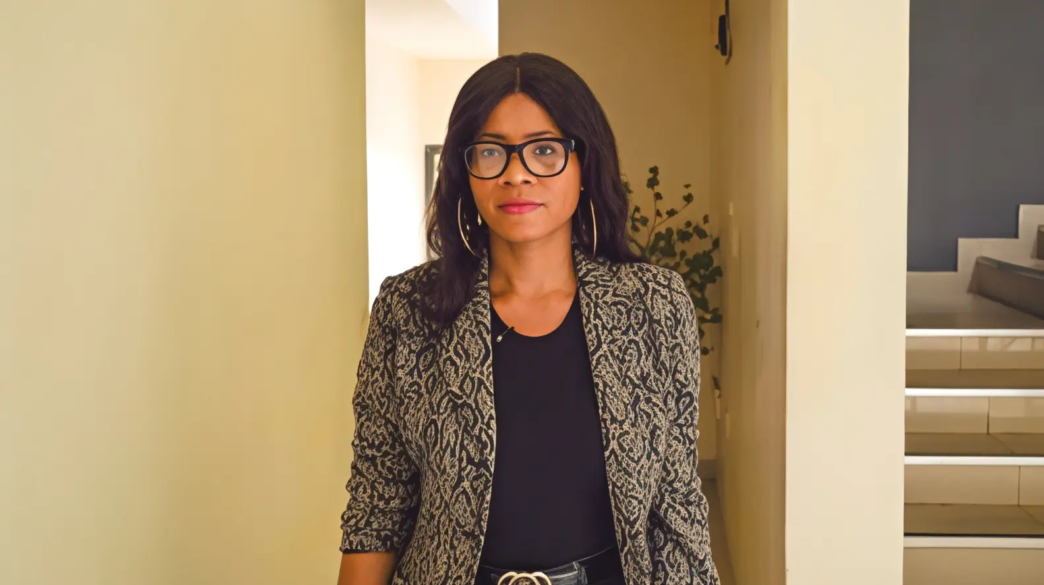
Nigerian entrepreneur Esther Eruchie has built an AI-powered mental health platform to help people across Africa access support while keeping human therapists involved in care.
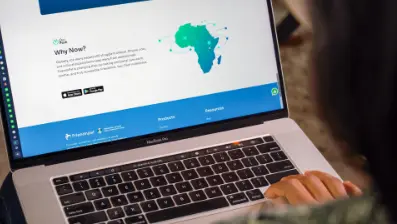
Through FriendnPal, she created OurPadi, a digital platform that connects users to mental health tools and professional therapists. It offers an AI chatbot, mood tracking, journaling, calming sounds, online forums and access to human therapists.
Eruchie’s work stems from personal loss. Her brother, who was autistic and nonverbal, died in his early twenties. His death deeply affected their mother, who was later diagnosed with major depression. Eruchie said her father initially refused to accept mental illness as a medical condition. As a result, the family took her mother to churches and prayer homes for help.
Read More : Netflix to Cut 1,000 Jobs
Her mother died three months after her son’s death. She collapsed while returning home from one of the prayer sessions.
“I think my journey actually to mental health wasn’t just something that was fancy,” Eruchie said. “It was basically experiences, lived struggles, being in the midst of people who have been through hell and back.”
The experience shaped her understanding of the barriers people face when seeking mental health care. Years later, while working on human trafficking cases in Libya, Cameroon and Nigeria, Eruchie met people dealing with trauma and migration-related challenges. Although organisations offered community-based psychosocial support, access to individual care remained limited.
She also experienced depression and suicidal thoughts and was later diagnosed with attention-deficit/hyperactivity disorder (ADHD). The shortage of mental health professionals in Nigeria further highlighted the need for accessible care. A 2021 analysis cited in the original report found that the country had fewer than 300 psychiatrists for a population of more than 190 million.
For Eruchie, the challenge went beyond the number of available professionals. She also wanted people to get help early, before their problems became more serious. That goal led her to establish FriendnPal in 2023. The company aims to make mental health support easier to access through digital tools and professional care.
“When you hear the word ‘Our Padi’ or ‘Friend and Pal’, it means the same thing,” she said. “My friend means my pal. My pal means my friend.”
However, mental health experts have warned that artificial intelligence should not replace qualified professionals. Fidelis Kor, a therapist and psychologist, said AI could help people manage temporary stress but should not replace professional care.
“If it’s something that has gone on and off and you’ve tried talking to your friends, family, you use AI, and this situation persists, then you need to talk to somebody who is qualified for it,” Kor said.
He also warned that AI could reinforce what users already believe instead of challenging their views.
“The big risk is that it will tend to tell you what you want to hear,” he said.
Kor explained that users could influence AI responses by how they frame their questions. This could create an echo chamber that strengthens existing beliefs rather than offering a balanced view. The concern comes as more people turn to digital tools for support, especially in places where professional mental health services are limited or costly.
Across Africa, efforts are ongoing to integrate mental health care into wider health systems. Ghana, for example, has been working to include mental health treatment in its National Health Insurance Scheme.
The World Health Organisation (WHO) estimates that mental health conditions affect about 150 million people across Africa. Stigma, limited awareness, low investment and a shortage of services remain barriers to care.
In some communities, people first seek help from religious or traditional practitioners. This reflects cultural beliefs as well as the limited availability and affordability of professional treatment. Eruchie said these gaps influenced FriendnPal’s design. Rather than focusing mainly on diagnosis, the platform aims to help users manage stress and recognise when they need more support.
“We’re focusing majorly on the triggers and stresses of mental health, rather than diagnosis of mental-health issues,” she said.
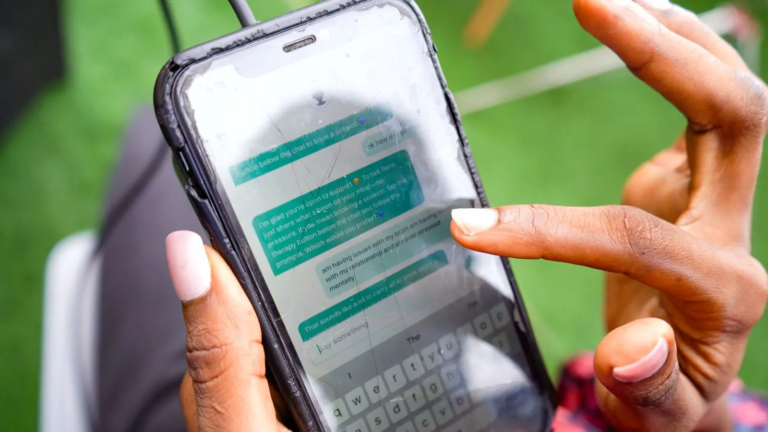
OurPadi’s AI chatbot, called Pal or Padi, allows users to communicate through text or voice. The platform also offers mood tracking, journaling, calming sounds and online forums. It uses a human-in-the-loop system designed to identify users who may need additional help. According to Eruchie, the platform uses screening tools such as the PHQ-9 and WHO-5 to assess users’ well-being and identify potential risks.
“We are not totally scrapping out the work that human therapists do, but what we do is we augment the work that they do,” she said.
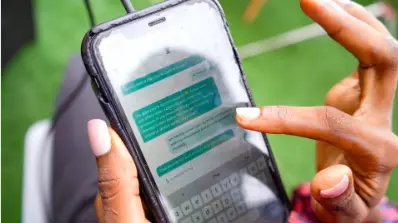
For Blessing Matthew, an OurPadi user, the platform offered a place to discuss personal problems without fear of judgement. Matthew had been dealing with challenges involving her business, relationships and mental health. She worried that friends and family might criticise her or fail to understand her situation. She found OurPadi while searching the Google Play Store for therapy apps and began using its AI chatbot.
“I was able to interact with it. And actually, it gave me what I actually needed,” she said. “I got some insights, some answers I actually needed for me and that really helped me feel relieved.”
Matthew said the option to begin a conversation without immediately speaking to another person made the experience easier.
“No judgment, no castigation,” she said. “Just like relating with the normal human.”
The platform also aims to reduce language barriers. Eruchie said it supports more than 50 languages, including Yoruba, Swahili and Zulu. OurPadi has more than 34,000 users and a network of over 67 human therapists, according to Eruchie. Its users are based in Nigeria, South Africa, Kenya, Rwanda, Zimbabwe, Mozambique, Ghana and parts of Europe.
Despite its use of AI, Eruchie said the platform was not designed to replace human care. Instead, it aims to give people another way to seek support, especially when they do not know where to start.
Read More : Kigali Summit Maps Africa’s Trillion-Dollar Path
“My focus is to create a system that feels close to home,” she said.
As African countries work to expand mental health services, digital platforms could help people access support between appointments or before their challenges become a crisis. For Eruchie, the goal is to use technology to make mental health care more accessible while keeping qualified human therapists involved.
Credit: Blessing Uma by Bird Story Agency.