Trending

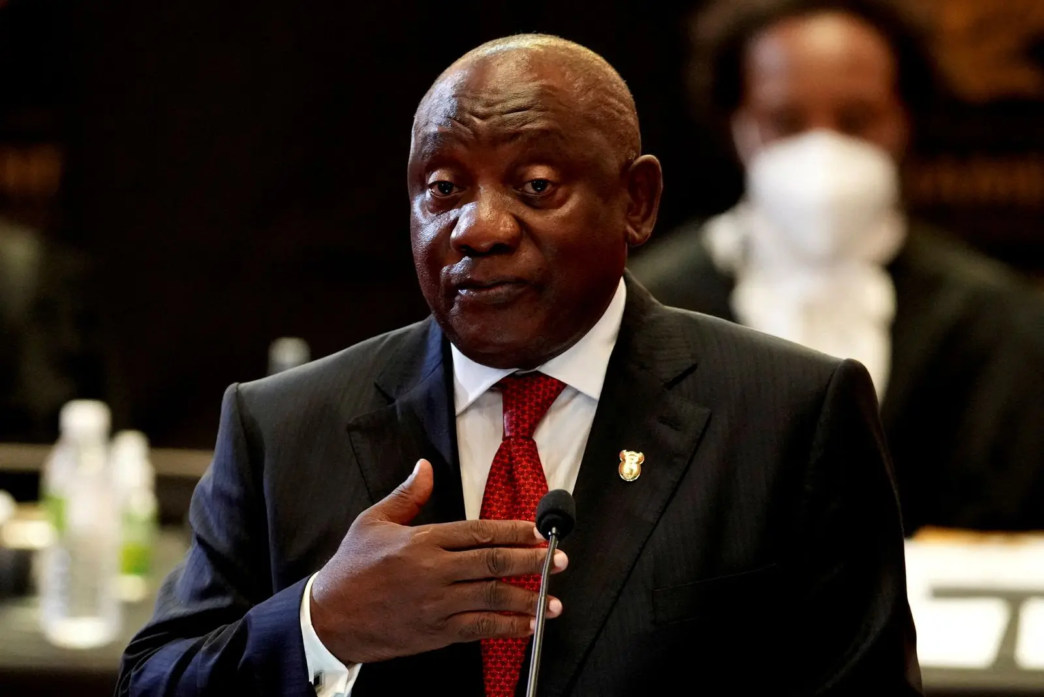
South African President Cyril Ramaphosa has urged the country to prepare for the possibility of losing its preferential access to the United States market under the African Growth and Opportunity Act (AGOA), as diplomatic tensions between Pretoria and Washington deepen.
The trade programme, which allows eligible sub-Saharan African countries to export certain goods to the US without duties, has been renewed until the end of 2028.
However, South Africa’s continued participation remains uncertain as criticism from the administration of US President Donald Trump heightens.
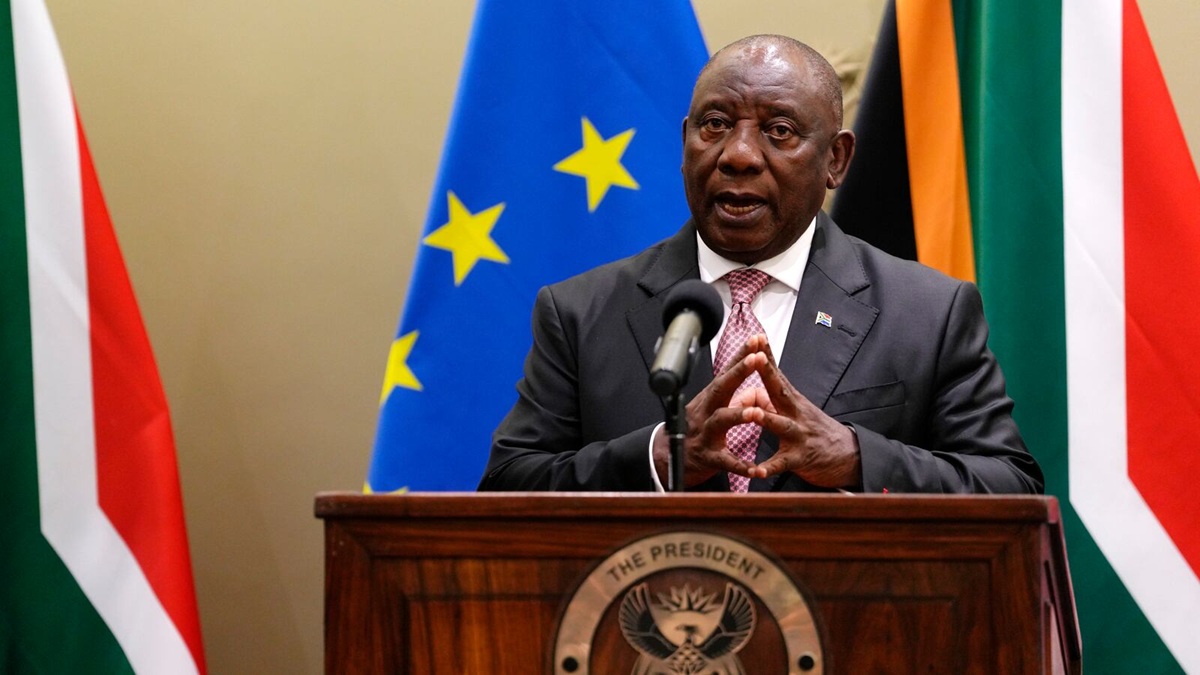
Speaking at a briefing on Monday, Ramaphosa noted that the US Congress had approved the programme’s renewal, but the decision still required Trump’s signature.
He said South Africans should be prepared for the possibility of exclusion, pointing out that other countries had previously lost their eligibility and that South Africa would not necessarily be the last to face such a decision.
“Congress has decided that we should be kept in AGOA. What now remains is the executive,” Ramaphosa said, referring to the pact now needing President Donald Trump’s signature after approval by Congress.
“And by the way, so that I prepare our people for this, if we ever have a choice, we are not the first and only country to be taken out of AGOA. And I believe we will not be the last,” he said in response to a question from an AFP journalist during a briefing.
Relations between the two countries have deteriorated since Trump returned to office, with Washington cutting aid, expelling South Africa’s ambassador and confronting Ramaphosa over allegations of a so-called white genocide, which Pretoria has rejected.
In September, the US announced visa restrictions targeting South Africans accused of promoting racial discrimination, inciting violence or enabling land confiscation without compensation. The issues remain subjects of disagreement between the two governments.
Washington also launched a programme last year to resettle white Afrikaners who claim they face persecution and violent crime in South Africa.
By September 30, the US had admitted 16,287 South Africans under the programme over the preceding year, alongside five Afghans who were granted refugee status during the same period.
The US president reviews participating countries’ eligibility for AGOA annually. Removing a country requires 60 days’ notice to Congress and the country concerned, meaning an exclusion intended to take effect on January 1 must be announced by November 2.
In October 2023, former US President Joe Biden announced that the Central African Republic, Gabon, Niger and Uganda would lose their eligibility from January 1, 2024.
Ramaphosa said South Africa would seek alternative export markets to cushion the effects of any removal from the programme. He urged citizens not to view such a development as the end of the country’s economic prospects, while acknowledging that the consequences could be severe.
“I need as president to prepare us if it ever happens. So we should not go out and jump off tall buildings and think that this is the end of the world,” he said.
AGOA provides duty-free access to the US market for several South African products, including automobiles. Cars are the country’s second-largest export earner to the US after precious metals, according to South African tax authorities.
In 2025, automotive industry employers’ organisation Naamsa estimated that 86,000 jobs at vehicle manufacturers were directly linked to the trade agreement, rising to 125,000 when subcontractors were included.