


 Trending

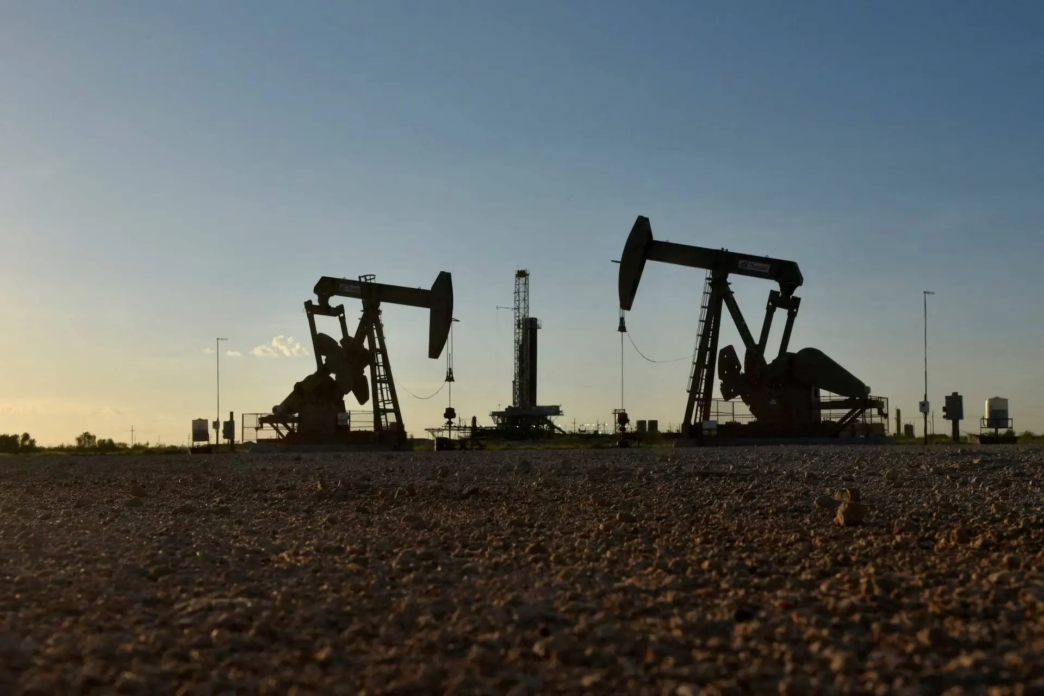
Nigeria has stabilised its economy but must now dismantle a decades-old system of oil rent-sharing to achieve sustained growth, according to a new policy briefing by economist Stefan Dercon.
The report, “Nigeria at a crossroads: From stabilisation to sustained growth,” was published on October 28, 2026, and presented as eight points for President Bola Tinubu, argues that the country’s current model, where political and business elites share oil revenues, is no longer viable as the “barrel is running dry.”
Dercon, a professor at Oxford and author of “Gambling on Development,” credits the government with achieving macroeconomic stabilisation.
Read More : Lagos to Enforce One-Year Limit on Advance Rent
He notes inflation has fallen from 34.8 percent in December 2024 to 14.6 percent in September 2026, gross reserves stand at $55 billion, and the fuel subsidy has been ended.
However, he cautions that “this is stabilisation. It is not yet growth.” Income per Nigerian is roughly where it was in 2010, with 63 percent of the population living in poverty, one of the largest numbers of extremely poor people globally.
The report contrasts Nigeria with Indonesia, which had similar resource rents as a percentage of GDP between 1970 and 1990.
Today, Indonesians are 87 percent richer than Nigerians.
Dercon attributes Indonesia’s success to macroeconomic stability, outward orientation, and locking in reforms after its 1997-98 crisis, including an independent central bank and legal deficit caps.
To replicate such success, Dercon urges President Bola Tinubu to forge a new “development bargain”—a commitment by those with power and influence to growth as in their own interest—rather than the current “elite bargain for the status quo.”
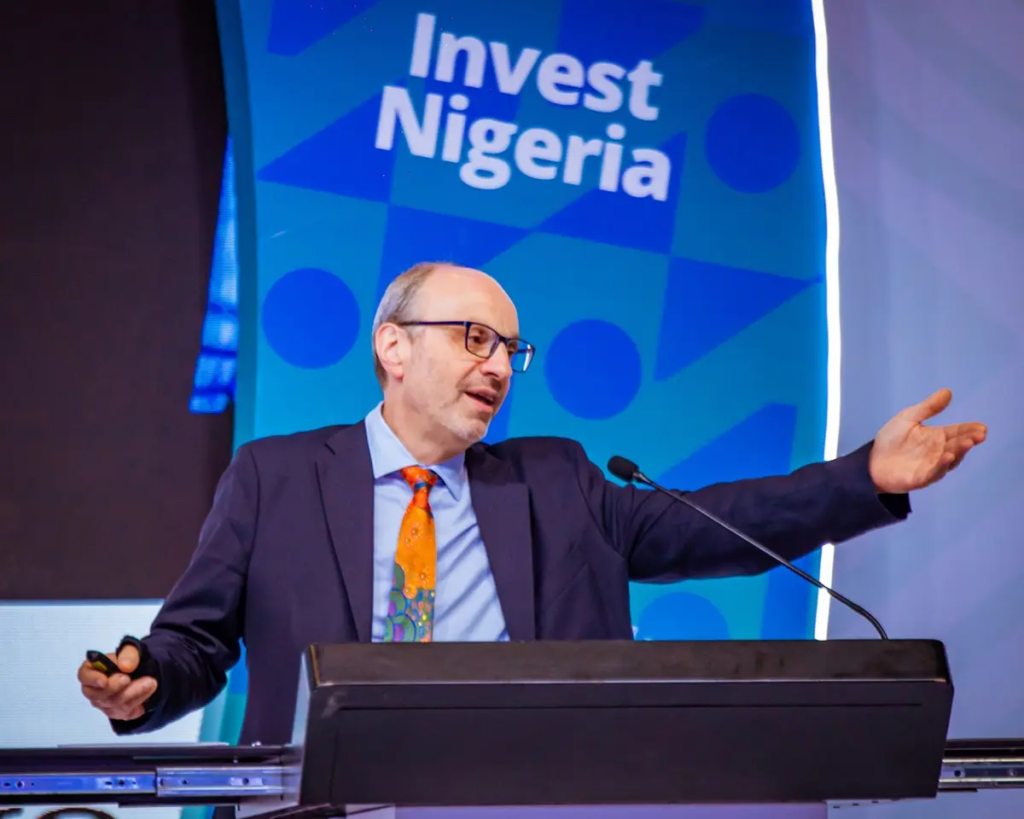
The eight recommendations include locking in stabilisation before and after elections, making exports the key test of policy, and stopping the taxation of exporters through import surcharges.
The report reveals that Nigeria’s exports remain 85 percent oil and gas, with manufactures accounting for about 3 percent. It recommends targeting at least a doubling of non-oil exports by 2031, citing potential in gas-based industry, processed crops, light manufacturing, and digital services.
Dercon also calls for the removal of import surcharges on inputs like cement clinker and fertiliser, which he says act as a tax on exports. He notes that 192 tariff lines carry an import surcharge, with an average tariff of about 11 percent, compared to under 2 percent in Indonesia.
On infrastructure, the report points to power constraints, noting only 4,458 of 13,625 MW are available, and calls for a “joint inspection” at ports to reduce corruption.
Read More : Osun Workers Begin Strike Over LG Funds
The final point urges the government to pay for growth by broadening the tax base, noting government revenue is only 10.2 percent of GDP, with 53 percent of federal revenue spent on interest payments.
Dercon also noted that growth is a “gamble” that requires investing now and allowing new firms to rise, disturbing the status quo.
“The legacy? Not just a stable Nigeria or an oil mirage, but a growing Nigeria, with jobs and real prosperity,” the report states.