Trending

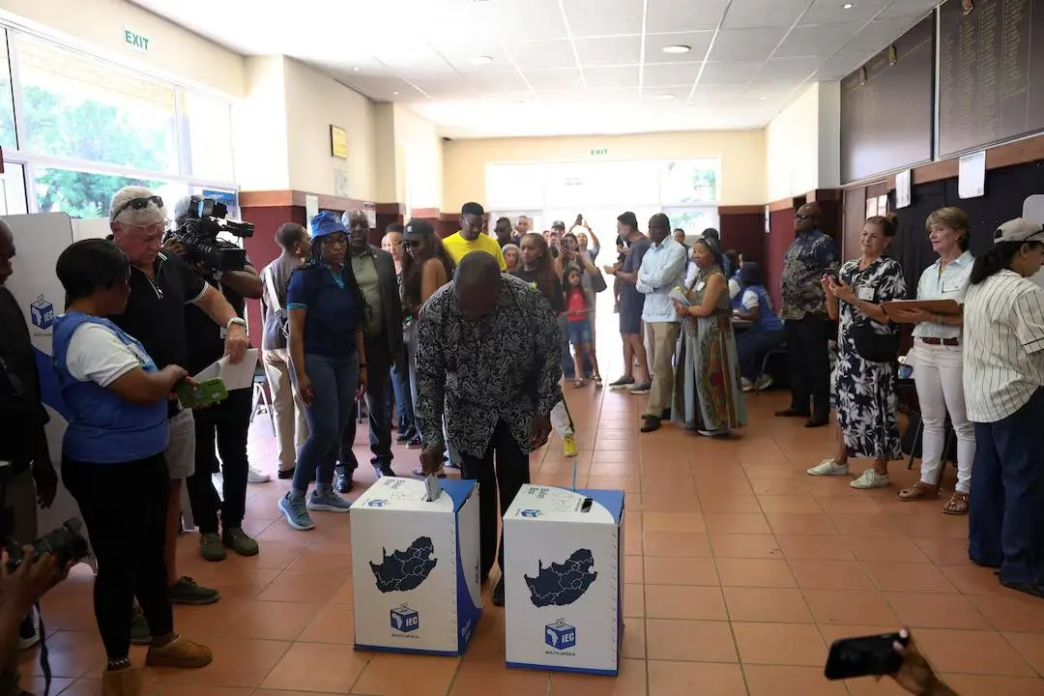
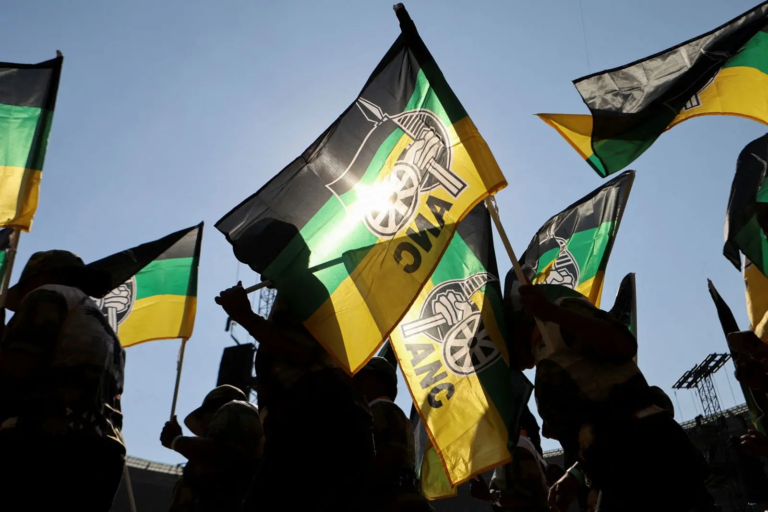
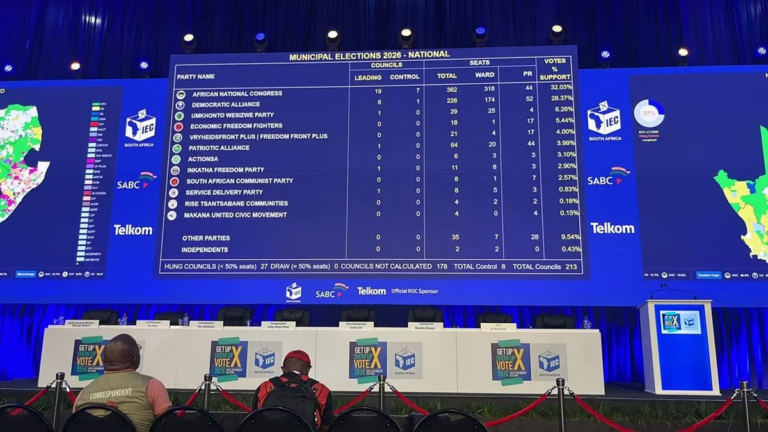
South Africa’s long-dominant African National Congress (ANC) is heading toward its worst electoral setback yet as local government election results roll in, failing to secure an outright majority in any of the nation’s eight major metropolitan areas.
The historic collapse reflects a profound paradigm shift in South African politics, rooted in the ANC’s long-standing struggles to deliver basic public services, resolve persistent rolling power blackouts, and clean up endemic state corruption.
Once revered as the unassailable party of liberation under Nelson Mandela, the ANC has suffered a steady erosion of its political hegemony over the past decade.
Read More : Nigerian AI Tool Expands Legal Access
The party first crossed a critical threshold when its national vote share fell below 50 per cent in the 2021 municipal elections before losing its parliamentary majority entirely in the 2024 national elections.
That defeat forced President Cyril Ramaphosa into an unprecedented National Unity Government with rival political factions.
Municipal Contest
In this latest municipal contest, voters delivered an even harsher verdict on the party’s performance, pushing its national support down to approximately 31 per cent—a staggering 14 percentage point drop from 2021.
The public’s disillusionment stems largely from severe economic stagnation and systemic municipal failure.
Voters across key urban hubs face mounting frustration with a national unemployment rate exceeding 34 per cent, decaying infrastructure, and failing water and sanitation systems.
Political analyst Daniel Silke noted that gross local mismanagement “has superseded the emotional attachment that the liberation struggle afforded the ANC for so many decades.”
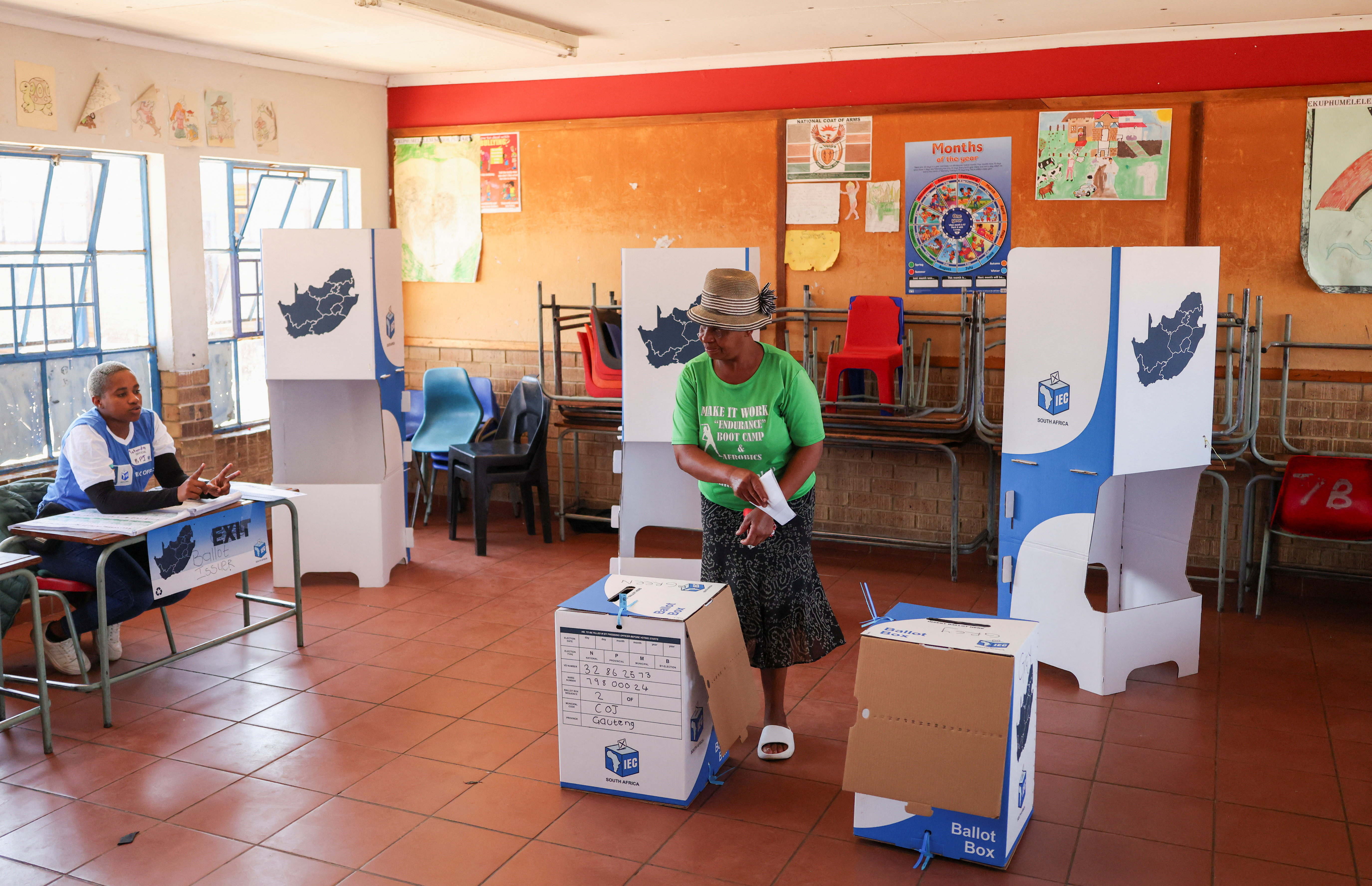
Stellenbosch University political scientist Amanda Gouws echoed this sentiment, stating, “People don’t believe the promises the ANC makes anymore. People are really fed up.”
Primary Beneficiary of the ANC’s Decline
As the ANC’s base fractures, opposition groups continue to capitalise on the fallout. The Liberal Democratic Alliance (DA) captured roughly a quarter of the national vote, with DA leader Geordin Hill-Lewis asserting, “We are now a mainstream party in every community in the country.”
However, former President Jacob Zuma’s uMkhonto weSizwe (MK) party emerged as the primary beneficiary of the ANC’s decline, overtaking the Economic Freedom Fighters to place third nationally.
Political analyst Sethulego Matebesi highlighted Zuma’s lasting personal leverage, observing, “They didn’t even have to put up one poster because of the draw card of Zuma.”
Despite overall voter turnout rising to 54.5 per cent, analysts warn that young voters remain deeply disengaged due to persistent economic hardship.
With no single party holding a majority in critical economic engines like Johannesburg, Pretoria, and Durban, the country now enters a delicate phase of complex coalition bargaining.
Analysts caution that these fragile local alliances often lead to political instability and administrative paralysis, leaving basic service delivery in jeopardy while parties compete for executive power.