Trending

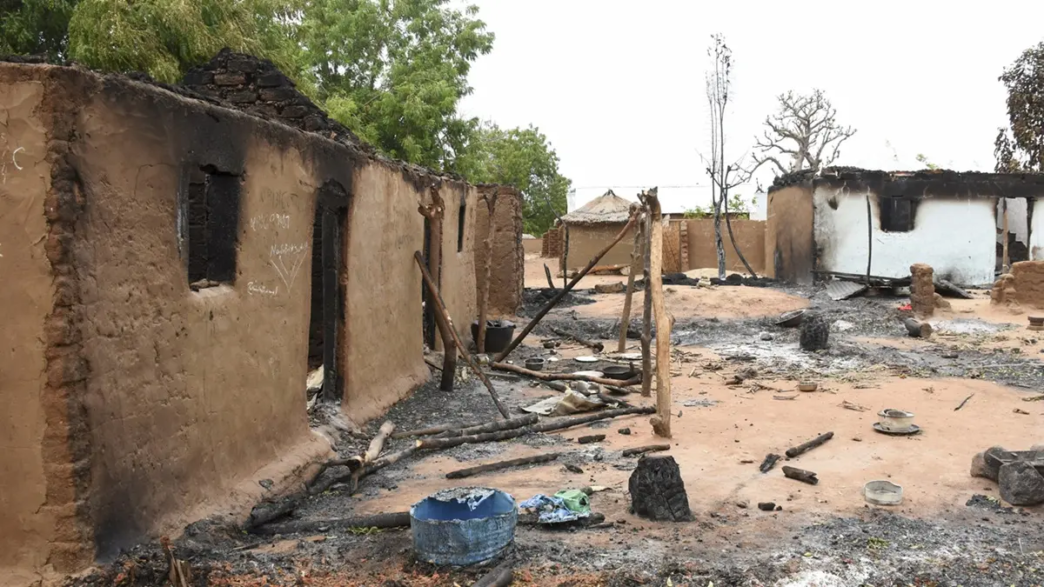
A cutlass in her son’s coffin. A mother calling on her dead child to avenge his death. A community struggling to understand why people are being killed and driven from their homes.
Are the recurring attacks in Plateau State simply an extension of long-standing farmer-herder and religious tensions, or is the region’s mineral wealth adding another dimension to the violence?
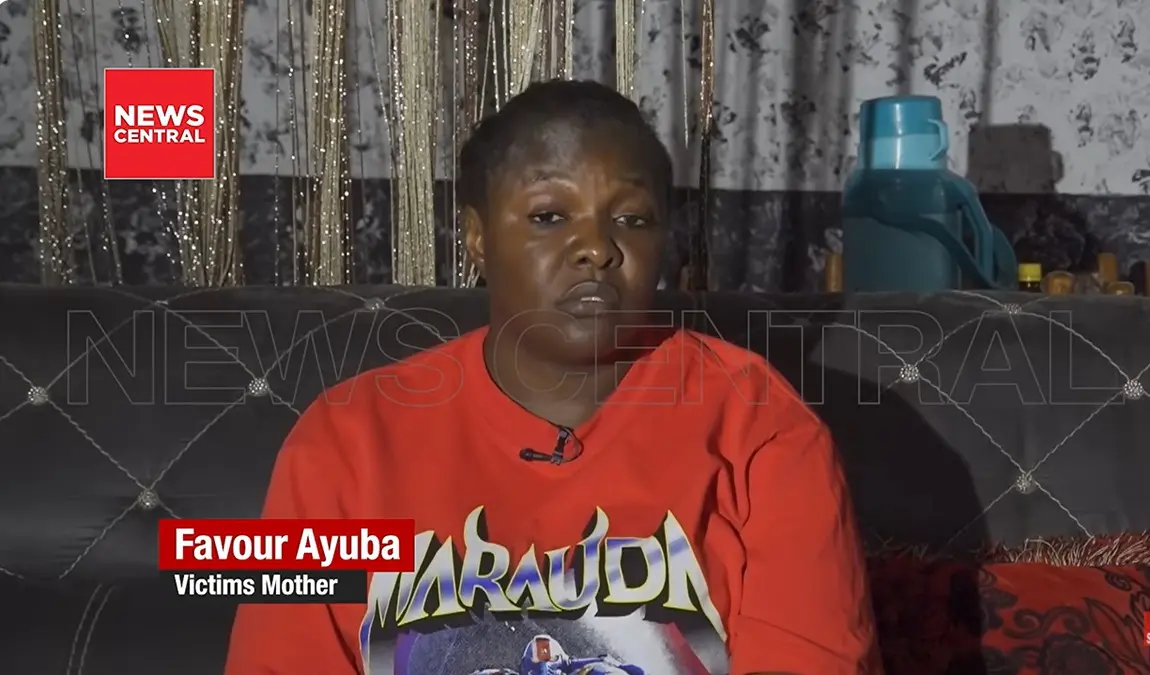
For Mrs Favour Ayuba, the violence is not an abstract question. It has a face and a name: her son, Promise.
Read More : Guinea Arrests 1,200 Over Illegal Gold Mining
After losing her husband nine years ago, Ayuba had come to rely on her son for comfort and support. He was the one who woke her every morning and called her “baby”, the same affectionate name her husband had called her when he was alive.
But after he was killed in an attack by suspected gunmen, the voice that had filled her mornings was gone.
A video of Ayuba placing a cutlass inside her son’s coffin and calling on him to avenge his death went viral, drawing attention to the anguish of families who have lost loved ones in the attacks.
Speaking to News Central’s Investigative Team, she struggled to describe how the family was coping.
“I have not been finding it easy, even with his siblings. It has not been easy for us in the house to wake up, and Promise is not there. Most especially I, because when Promise was alive, every morning he would be the one to wake me up. He normally calls me ‘baby’,” she said.
“That is the name he calls me because I lost my husband nine years ago, and he has been there for me.”
Promise’s death is one account of the human cost of the recurring violence in Plateau. But his family is not the only one dealing with the consequences.
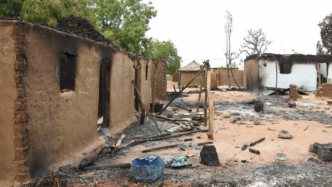
Beyond the lives taken in the attacks, some residents say entire communities have been lost, with survivors forced to abandon land their families have occupied for generations.
They fear that those who flee may never get their homes back.
One resident described what they believe happens after an attack.
“Those people, what they do is they kill and then occupy the land,” the resident said.
Another resident accused political leaders of failing to protect communities, claiming that authorities knew those responsible for the killings but continued to focus on party politics.
“What kind of government is this? They only talk about party politics, and that is not useful. We have already elected them. What kind of people are these? Is this a government? They are aware of those carrying out the killings night and day. They are just killing us,” the resident said.
For Solomon Mwantiri, National President of the Berom Youth Moulders Association, the alleged occupation of these communities raises another question: could the mineral deposits beneath the land be attracting the attackers?
The Fight for Mineral-Rich Land
Mwantiri believes the mineral resources in Plateau, particularly in Berom land, are a factor behind the insecurity. He argued that armed groups want access to these resources and that displacing the people who live on the land makes that possible.
“It is true that the mineral resources on the Plateau and in Berom land are a factor informing the ongoing terrorism and banditry that the enemies of the state are visiting on native inhabitants and other law-abiding citizens,” he said.
Mwantiri argued that attacks frequently occur in areas where mineral resources have been discovered. He alleged that those behind the violence believe they cannot gain access to the deposits without first driving away the people who live there.
He also claimed that Fulani groups, whom he described as people who had historically moved across locations in search of grazing land, were seeking permanent access to mineral-rich communities through displacement and occupation.
He said the scale of the displacement had grown over the years, with more than 151 villages sacked and occupied.
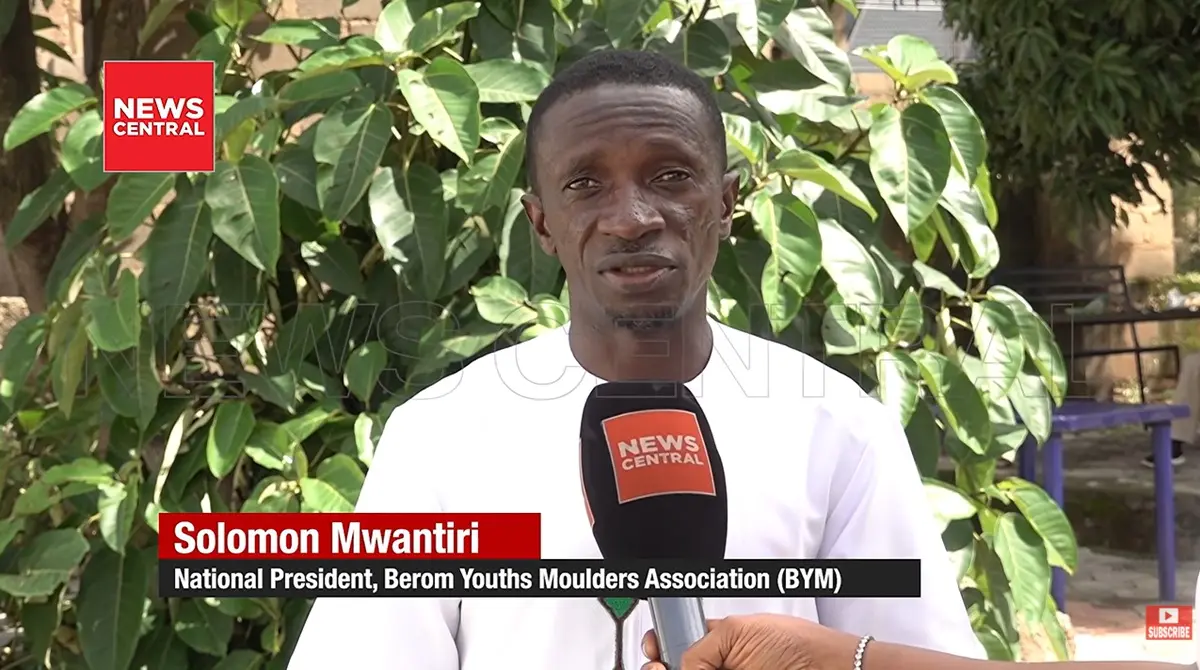
“So they have succeeded in sacking not once, not twice. We have over 151 villages that they have sacked and are currently taking over. All these are places where there is a large quantum of mineral resources that the Fulani believe that they should have unfettered access to,” he said.
But the claims of occupation are contested. Another resident challenged allegations that Fulani people had confiscated land, accusing some individuals of presenting false information to government authorities without proper verification.
“Whenever they go to the government, they only go to share false claims, and the government does not bother to cross-check to get the facts. In fact, if you can get security agents to come along with us and ask them to show you where any land the Fulani have confiscated is, they will not be able to show you,” the resident said.
Inside Plateau’s Mining Sites
At a mining site, a miner identified as Musa described how the extraction process works. He said miners identify locations where they believe mineral deposits can be found, mark out the areas and begin digging. The material is then taken to a nearby river or water source for washing before it is prepared for sale.
Musa explained that miners do not dig indiscriminately across the land. They rely partly on indications from locations where others may have previously extracted the material.
“You get a site, then you get a location. It’s not everywhere, particularly in the land, that you can be able to get that material. But based on our assumptions, we can follow where other people might have taken that material from the ground,” he said.
“So we go there, we demarcate it and we start digging. From there, we dig, we reach, then we start bringing the material out. Then, bringing it out, we now take it close to the river where there is water so that we can be able to wash it. After washing it, we’ll now bring it to where we can be able to sell it. A pound is roughly N16,000,” he added.
The mining activity continues despite the insecurity in the area. Musa said workers had organised themselves to provide security at the site because of repeated threats from armed groups. He maintained that the miners had not attacked other communities but were forced to defend themselves when attackers came to their locations.
“We’ve never attacked them. We’ve never gone to where they are staying. But they come, and what we do is we’ll try our possible best, with what God has given us, to defend ourselves,” he said.
He explained that the miners mobilised among themselves to get people to watch over the site. Their ability to defend themselves, however, was limited by the weapons available to them.
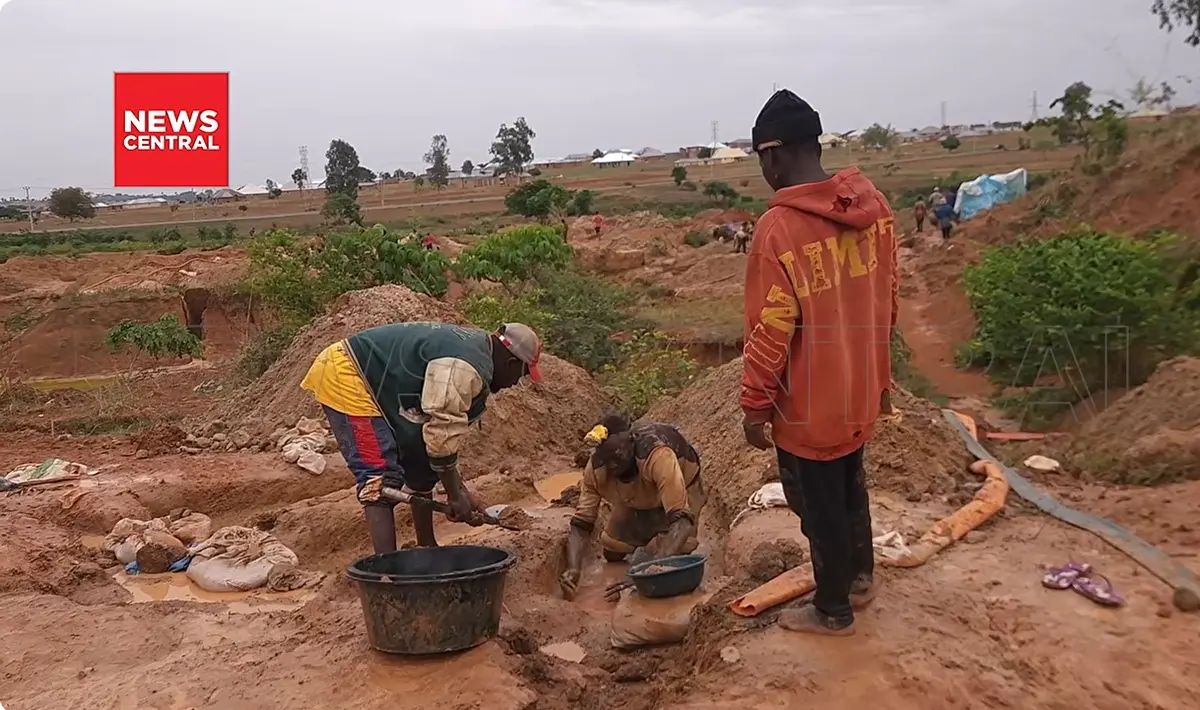
“To us, we are having machetes, and they normally come with sophisticated weapons. When they come to attack a community, they come in hundreds. So imagine if all of them are having sophisticated weapons and you are only holding a machete. You know that only God can save you. Through this, God has been on our side,” Musa said.
Silas Bot, Chairman of the Berom District Development Association (BDDA), believes the relationship between mining and insecurity deserves serious attention. He compared the situation in Plateau to the Niger Delta, where oil activities have long been linked to conflict and instability.
“You can’t really divorce insecurity from mining, just as you couldn’t have divorced the instability in the Niger Delta from oil activities. Now, as far as Plateau is concerned, you cannot completely divorce mining from insecurity. Yes, it is a contributory factor,” he said.
Bot argued that some of the areas experiencing persistent attacks are strategic locations known to indigenous residents for their mineral deposits. He said the British colonial administration had previously mined in some of these locations, indicating their mineral potential..
He also claimed that some people (Fulani’s) who had moved into these locations were now engaged in mining rather than grazing.
Bot acknowledged that illegal mining was a crime, but said some people involved in the activity might not understand its legal implications.
The Cost of an Unanswered Crisis
While residents and community leaders debate the motives behind the attacks, security agencies say they are working to contain the violence.
Assistant Inspector-General of Police Bassey Ewah described security as a shared responsibility and said Plateau’s challenges were part of a wider national problem, although the state had experienced additional dimensions of insecurity.
“Like we all know, security is everybody’s business. We find ourselves here being charged with managing the insecurity in Plateau. Just as you perfectly know, there is insecurity in all parts of the country. Ours is nothing new, maybe one or two new dimensions to it, but we are doing our best,” Ewah said.
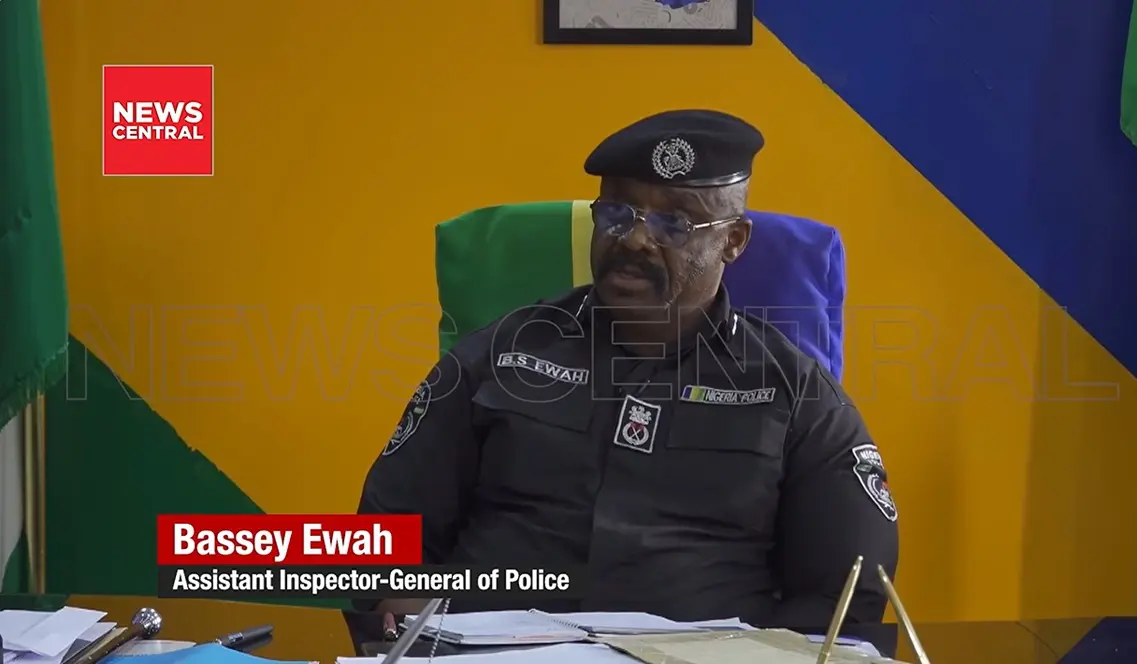
He identified the killing of cattle by non-state actors as one development that could provoke further violence and a breakdown of law and order.
“By new dimension to it is killing of cows by non-state actors trying to provoke situations that will lead to further breakdown of law and order. That’s what I mean,” he said.
Ewah also said he had deployed police officers when their assistance was requested and described the working relationship between the police and the military as strong.
Responding to concerns about the military’s role in security operations, he explained that established procedures guide requests for military intervention and the transfer of responsibility back to the police after an operation.
He said residents might not have access to all the information available to the military, but maintained that both agencies were working towards restoring peace.
“Of course, it’s important to know that there are protocols for asking the military to take over a situation. There’s also a protocol for the military to say, ‘We are finished our duty. Come and take over.’ But all in all, we are working well. The end game is to make sure that Plateau is peaceful,” he said.
But while security officials maintain that they are working to restore peace, residents continue to count the cost of the violence.
In March alone, more than 28 people were killed in attacks across Plateau State, while others were injured and communities were forced to flee their homes.
Read More : Plateau Violence: Farmers, Herders Trade Blame
For families who have lost loved ones and residents who cannot return to their ancestral land, the measure of security is not the assurances given by officials, but whether they can live without fear.
For Ayuba, the cost is already irreversible. Her son is gone. No explanation for the violence, no promise of restored peace and no wealth extracted from the land can bring him back.
As families continue to bury their loved ones and communities remain displaced, the question raised by Promise’s death remains: If the land is worth fighting over for its buried wealth, why are the people who have called it home for generations paying for it with their lives?