


 Trending

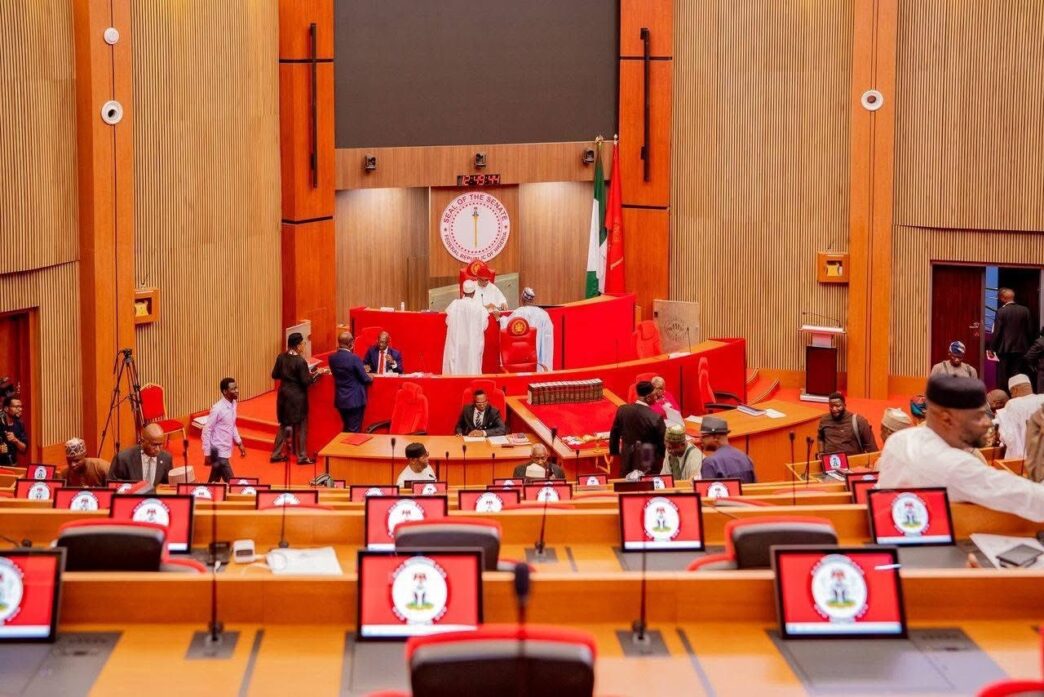
The Senate has warned petroleum sector regulatory agencies against administrative sabotage, inefficiency and lack of transparency, saying it will not tolerate actions that could frustrate President Bola Tinubu’s reforms in the industry.
The Chairman of the Senate Committee on Petroleum Downstream, Senator Abdulrahman Sumaila, gave the warning on Thursday during the screening of seven nominees for executive director positions at the Nigerian Midstream and Downstream Petroleum Regulatory Authority.
Sumaila expressed concern over alleged administrative delays, institutional inefficiencies and deliberate failure by some agencies and government bodies to comply with government policies.
“Some agencies are simply not helping Mr President in the actualisation of his vision for the petroleum sector. This must stop,” he said.
He warned that the Senate would not tolerate practices capable of undermining government policies, weakening public institutions or reducing public confidence.
“Under our watch, we will not tolerate administrative sabotage, lack of transparency, inefficiency or any conduct that undermines the effective implementation of government policies,” he said.
The senator said actions that weakened public institutions and frustrated government policies could damage Nigeria’s economic prospects.
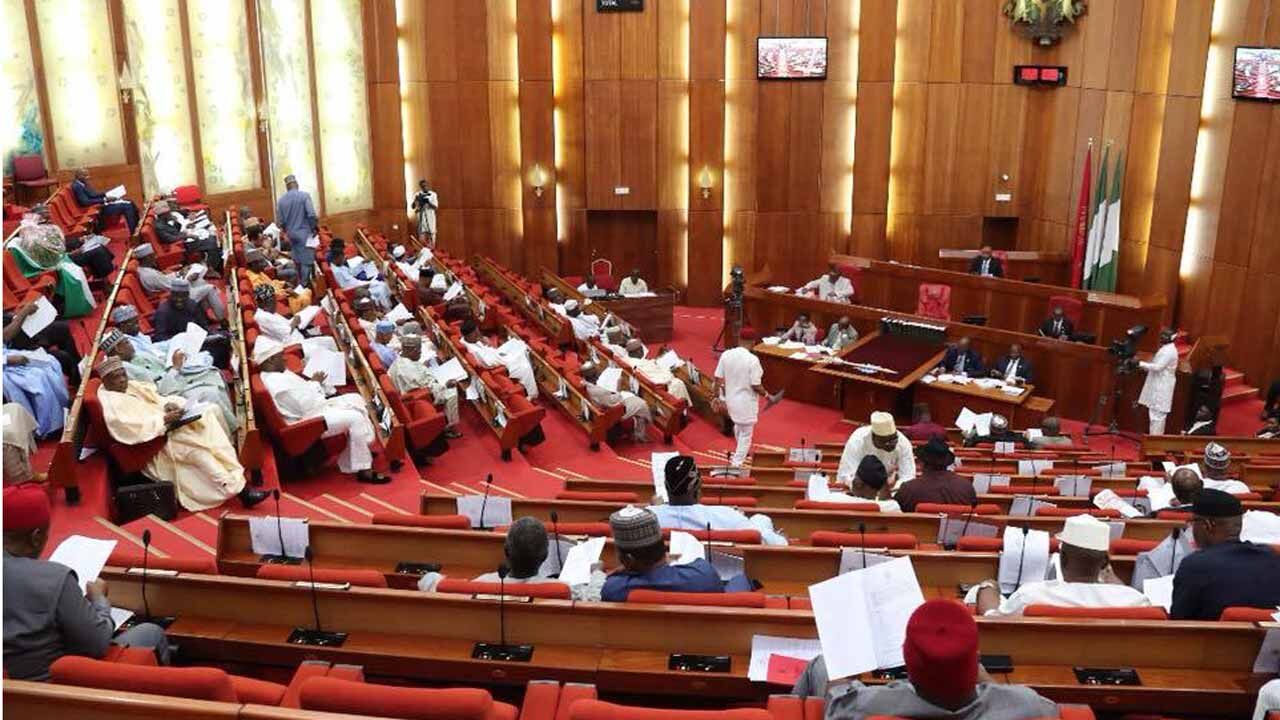
Credit: Supreme Magazine
He urged the nominees to demonstrate professionalism, integrity and accountability, noting that their appointments came at a critical period in the country’s economic transition.
Sumaila acknowledged that the petroleum sector reforms introduced by Tinubu were aimed at repositioning the industry, strengthening the economy and ensuring long-term energy sustainability.
However, he noted that rising petroleum prices had increased the financial pressure on households and businesses, particularly through higher transportation costs, food prices and other essential commodities.
He urged the nominees to ensure that their regulatory responsibilities delivered practical benefits to Nigerians.
“Beyond the enforcement of regulations, you must explore practical and sustainable measures to mitigate the impact of these reforms on citizens and contribute meaningfully towards alleviating their economic hardship,” he said.
He added, “Regulation must not be punitive; rather, it must be progressive, transparent, responsive and people-centred.”
The committee chairman said the nominees’ responsibilities went beyond routine administration, stressing that their decisions would influence energy security, investment, competition and the welfare of Nigerians.
He urged them to eliminate inefficiencies, strengthen regulatory oversight, promote healthy competition and attract sustainable investments across the midstream and downstream petroleum value chains.
He also stressed the need for regulatory institutions to maintain independence in carrying out their statutory duties while remaining transparent and accountable to Nigerians.
Seven nominees appeared before the committee for screening into various executive director positions.
They include Abiodun A. Adeiji, nominated as Executive Director, Finance and Accounts; Ogbugo Kalu Ukoha, Executive Director, Distribution, Systems, Storage and Retailing Infrastructure; and Mustapha Lamorde, Executive Director, Health, Safety, Environment and Community.
Others are Mobolaji Tajudeen Musa, nominated as Executive Director, Hydrocarbon Processing Plants, Installation and Partnership and Transportation Infrastructure; Ogechukwu Olufunmilayo Modie, Executive Director, Economic Regulation and Strategic Planning; Said Abutalib, Executive Director, Corporate Services and Administration; and Jumoke Gafar, Executive Director, Board Secretary and Legal Adviser.
Read More : UNIJOS Appoints First Female Vice-Chancellor
Sumaila congratulated nominees whose contributions to the petroleum sector had earned them reappointment by Tinubu, expressing hope that their renewed appointments would lead to greater commitment and improved performance.
He said the screening exercise was part of the Senate’s constitutional responsibility to ensure that public office nominees had the required qualifications, professional competence, experience and integrity.
“The responsibility before you is enormous, and the expectations of Nigerians are equally high,” he said.