Trending

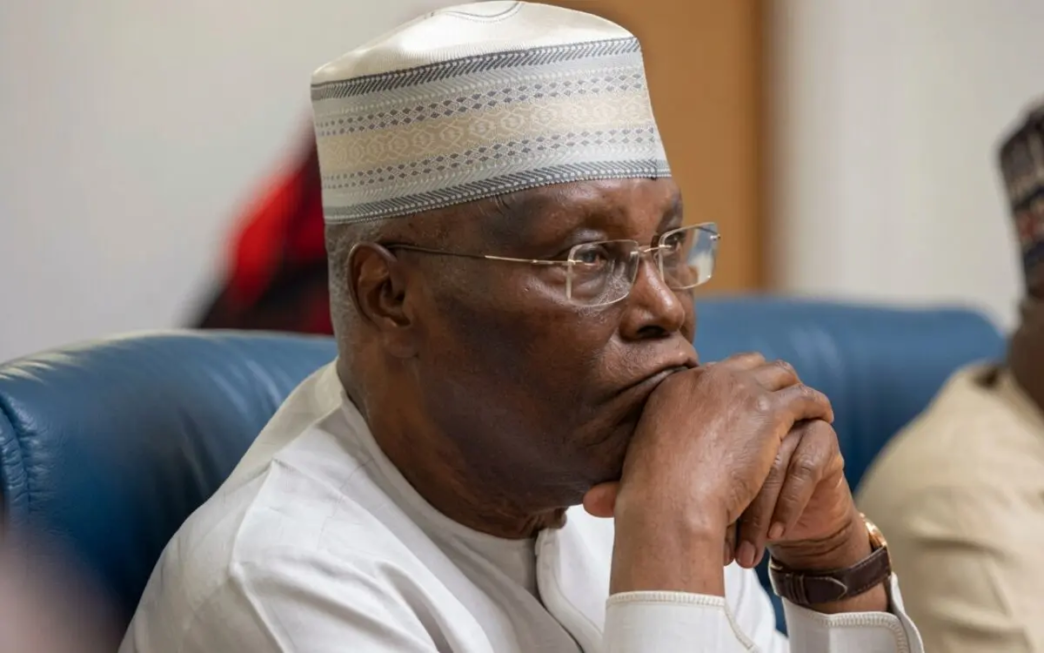
The legal battle over Atiku Abubakar’s eligibility to contest the 2027 presidential election is a major concern for the Independent National Electoral Commission (INEC); its chairman, Prof. Joash Amupitan, has said.
Amupitan described the matter as “a very big issue” for the commission, citing the growing number of pending court cases and the limited time available to prepare for the election.
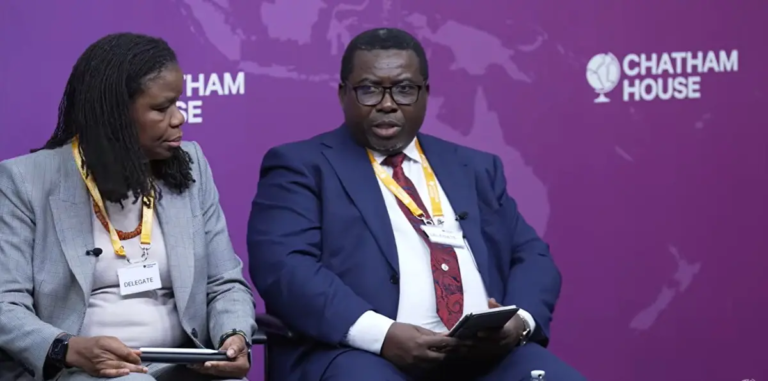
He spoke during a panel discussion at Chatham House in London, where he was asked whether Atiku, the African Democratic Congress (ADC) presidential candidate for the 2027 election, would still be able to contest if he failed to overturn the judgment against him.
The INEC chairman said the commission initially expected the matter, which arose in April, to be resolved within three weeks.
He explained that the commission had favoured an accelerated hearing to ensure an early resolution, but the case proceeded to an appeal.
Amupitan said INEC was already contending with more than 300 pending court cases, while election preparations, including the procurement of sensitive materials, were underway.
“Elections is just about 66 days away,” he said, adding that the commission had entered into serious procurement processes, making unresolved legal disputes a significant challenge.
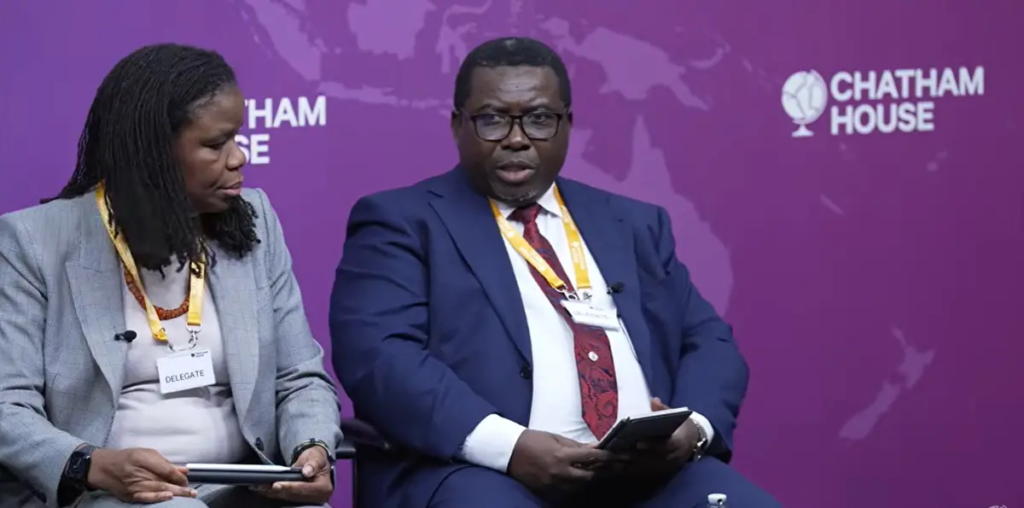
He said he had repeatedly advocated that pre-election cases should be concluded at least six months before an election, or preferably one year earlier, to allow INEC sufficient time to plan its logistics.
Responding directly to the question about Atiku’s eligibility if his legal challenge failed, Amupitan said the commission would be guided by the courts.
“Nonetheless, if it travels through the course, and you said, if it eventually fails, well, I’m obligated under Section 285 of the Constitution of Nigeria to obey every court order, especially if it is from the Supreme Court,” he said.
He acknowledged that implementing contentious court decisions could place the commission at the centre of public criticism.
“The danger is that whenever there’s such decision, and it’s you to now implement, you becomes the problem. The problem now is transferred onto you. But that is the position of the law, Nigerian law,” he added.
Professor Joash Amupitan says INEC remains legally bound to comply with court decisions, including rulings from the Supreme Court, but warns that implementing judgments close to election day could create further logistical difficulties. pic.twitter.com/8v8uJ8ahJQ
— News Central TV (@NewsCentralTV) November 12, 2026