Trending

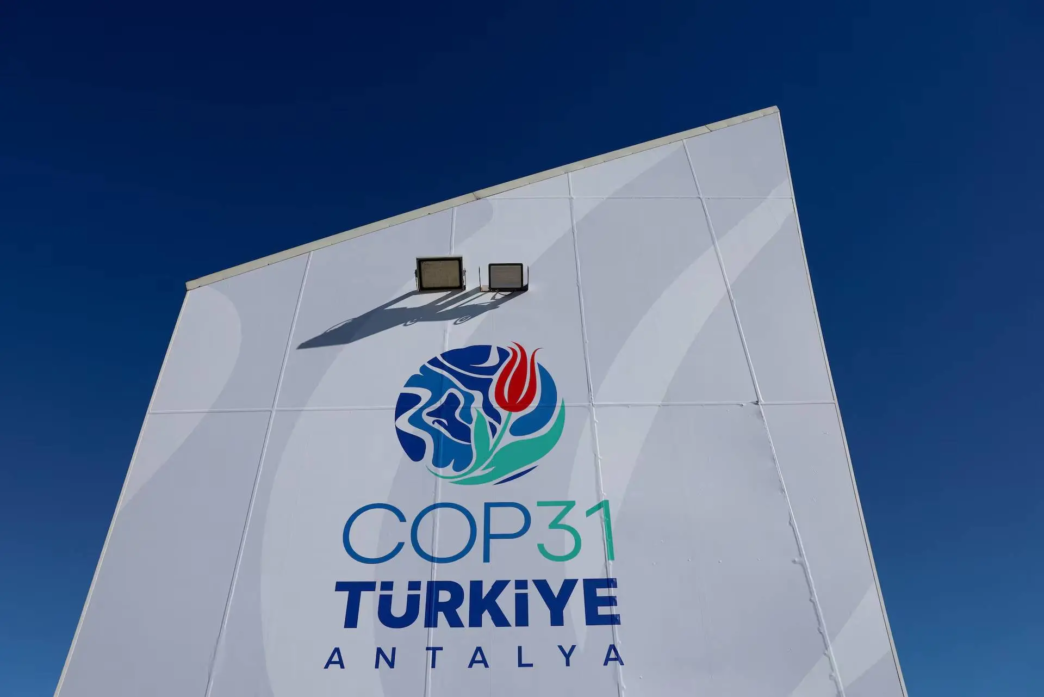
The European Union (EU) pledged on Friday to “fight” for climate science at the United Nations COP31 summit in Türkiye, accusing several nations of attempting to undermine the Intergovernmental Panel on Climate Change (IPCC).
A prolonged dispute over the publication timeline for the IPCC’s seventh assessment report has split the negotiations in Antalya, threatening to complicate progress toward a final climate deal.
While dozens of countries across Europe, Africa, and the Pacific want the updated findings released in time to guide a critical 2028 global stocktake of carbon-cutting efforts, a smaller bloc led by Saudi Arabia, China, and India is pushing to delay the report until 2029.
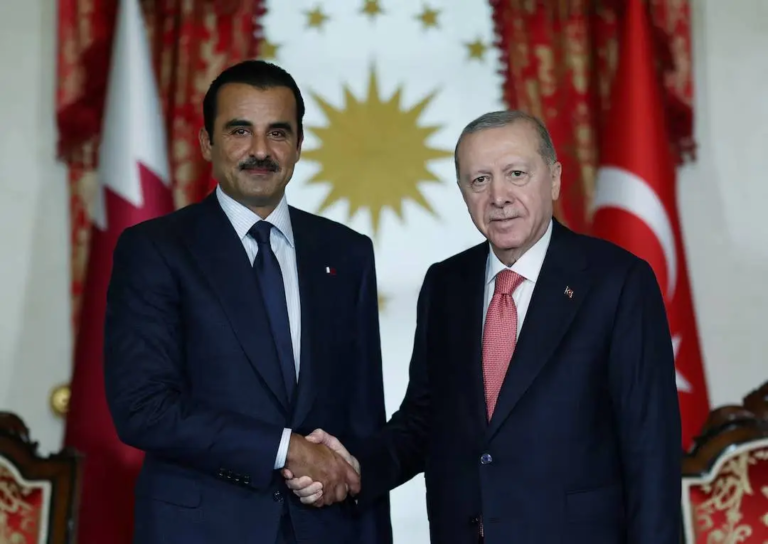
Read More : Türkiye, Qatar Sign Defence Pact
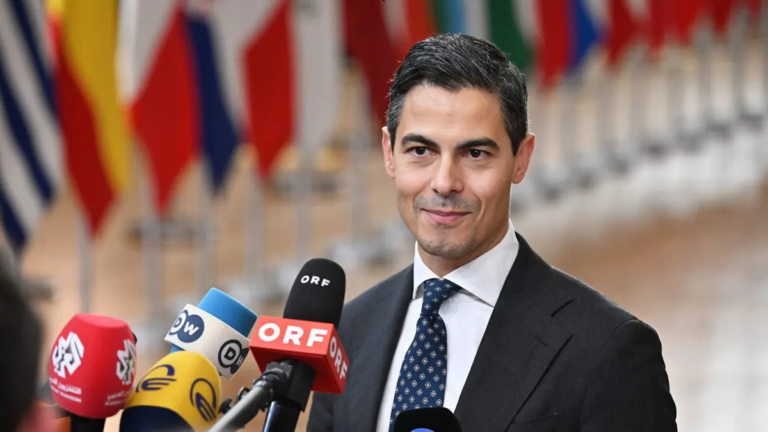
Senior EU climate official Diana Acconcia warned reporters that bridging the divide will “not be so easy,” noting that “there are some parties that are trying to undermine what science is telling us because they don’t want to do what it takes to address climate change.”
Push For Timely Data
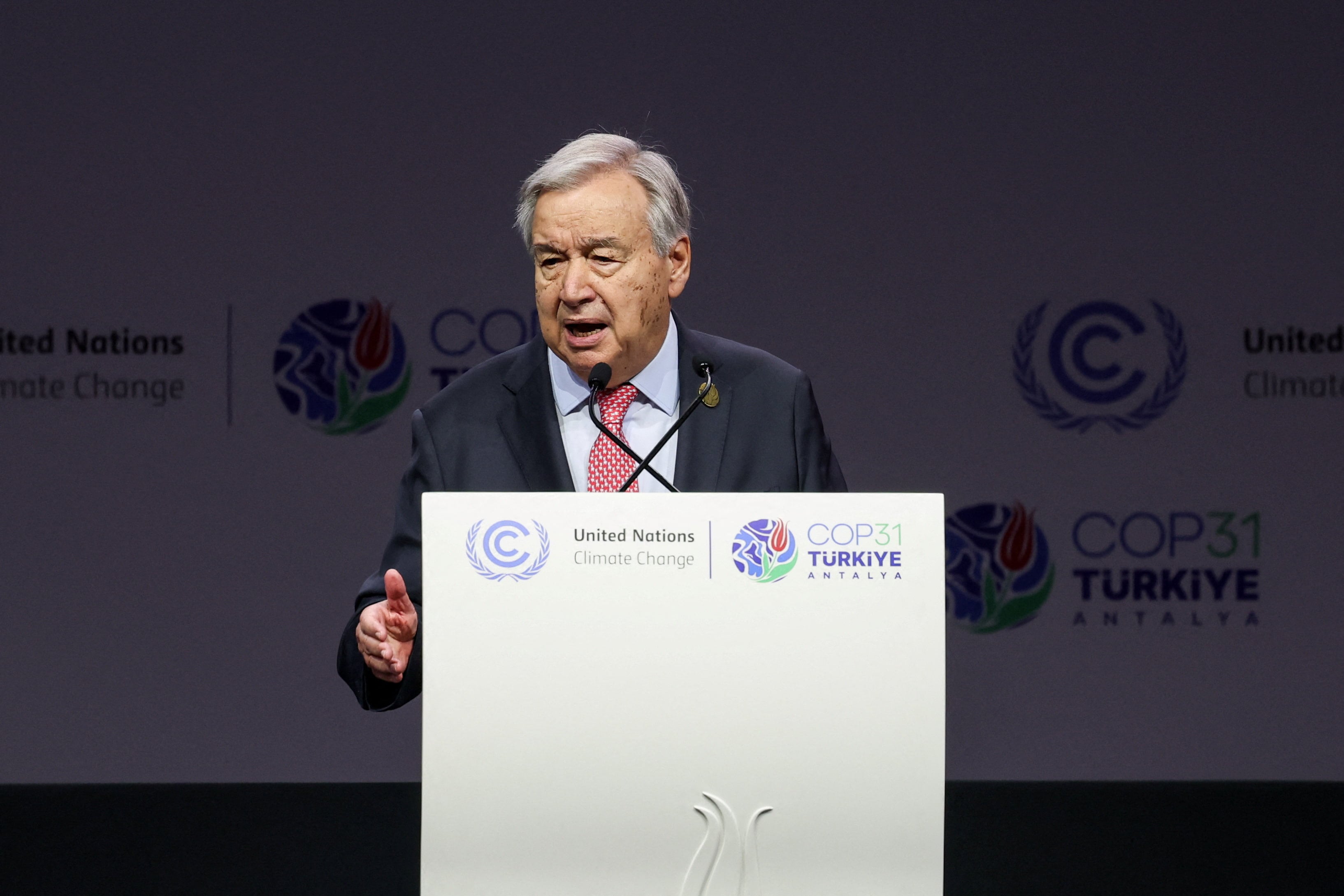
UN Secretary-General Antonio Guterres backed the push for timely data on Friday, praising the IPCC’s “remarkable” work and expressing hope that the next assessment arrives “ideally before the next stocktake.”
Climate scientist Pierre Friedlingstein echoed that urgency in Antalya, stating that “updated figures are more appropriate than figures that are seven years old” and noting that while new evidence drives political action, certain countries “would prefer to stay where we were before.”
The deadlock previously forced the IPCC to suspend its last session ahead of another attempt to resolve the timeline in December, prompting growing pressure to address the standoff directly in the final COP31 text.
IPCC Chairman Jim Skea warned delegates on the summit’s opening day that the impasse creates “operational challenges and reputational risks” for the volunteer scientists who author the reports.
Although advocates of a delay argue that developing nations need more time to process the dense technical findings, more than 70 developing countries represented by the Alliance of Small Island States and the Least Developed Countries group support a 2028 release.
“We would like to have it as soon as possible and as detailed as possible,” Ivory Coast Environment Minister Abou Bamba told AFP.