Trending


Germany has said that it would cut electricity taxes and introduce a temporary fuel price cap to ease rising energy costs for households and businesses.
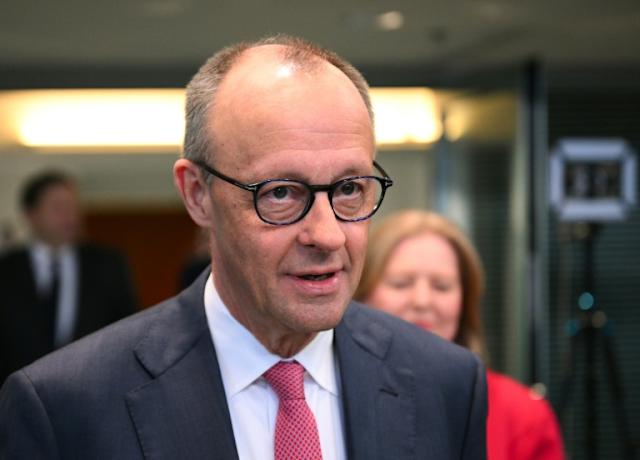
Chancellor Friedrich Merz‘s conservative bloc and its centre-left coalition partners reached the agreement after overnight talks that continued into Wednesday. Merz said the government was delivering on its promise to reduce energy costs.
“Intensive talks have paid off,” he said.
Read More : UN Links Most Sudan Deaths to Drones
The measures follow the energy crisis linked to the US war against Iran, which has disrupted oil and gas shipments through the Strait of Hormuz.
Merz added that “small businesses and families in particular will feel the relief”.
Under the agreement, Germany will reduce electricity taxes from January to December 2027. The tax for private households will fall by about two cents per kilowatt-hour to 0.1 cents.
According to Germany’s energy and water utilities association, BDEW, the average household used about 2,400 kilowatt-hours of electricity last year. The tax cut is expected to save an average household about €50 annually.
Businesses will also benefit. A typical hairdressing salon could save hundreds of euros each year, while a supermarket could save thousands, according to the government.
The coalition has also agreed to introduce a temporary cap on fuel prices from January 2027. The measure will initially last for three months to reduce costs for motorists.
Read More : Xi, Putin Blast Sanctions Before Trump Talks
The government had previously introduced fuel subsidies to lower prices. However, the support is due to end in December. It described the new price cap as a temporary response to the energy crisis, saying: “The fuel price cap is explicitly a crisis-related, and not a permanent, measure.”
The agreement follows months of disagreements within Merz’s coalition over how to address rising costs and other major issues, including pension and healthcare reforms.
The government had also promised to cut electricity taxes for households when it took office last year. However, it had only introduced tax relief for some energy-intensive industries as coalition partners struggled to agree on funding.