Trending


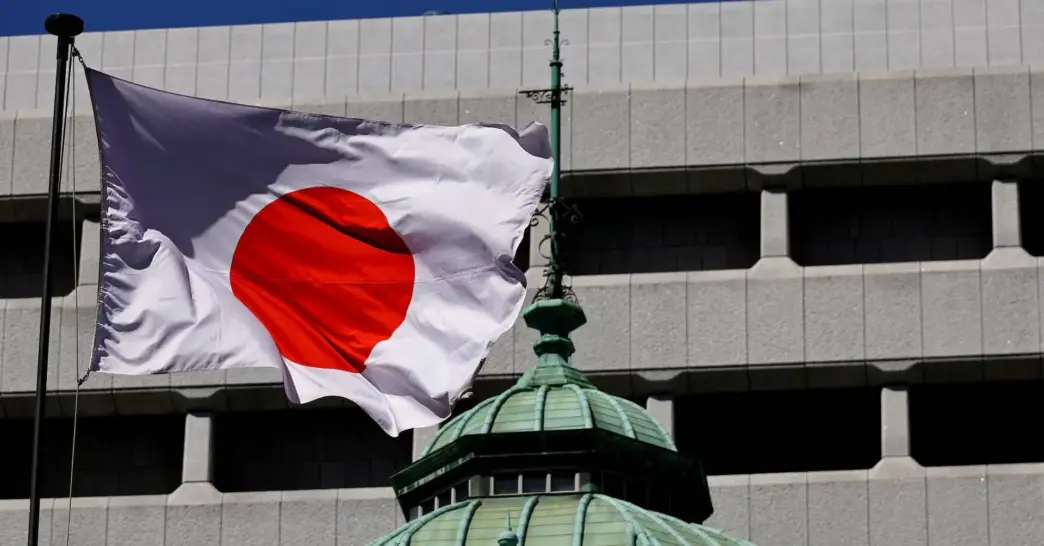
Japan is rolling out stricter permanent residency rules for foreign nationals, introducing a mandatory B1-level Japanese language standard alongside a new civic assessment of the country’s laws, rules, and social systems.
According to Friday’s report by the Economic Times, the proposed framework requires most applicants to meet the B1 proficiency benchmark established by the Council for Cultural Affairs in October 2021 to foster social integration and everyday communication.
However, officials will exempt five specific groups from the language test: highly skilled foreign professionals under designated residence classifications, their qualifying family members, foreign nationals with at least six cumulative years of Japanese primary or secondary schooling, Japan-born children raised by a parent with B1 or higher proficiency, and individuals granted discretionary waivers by the Immigration Services Agency.
Read More : Russia Pounds Ukraine After Crimea Bridge Attack
Beyond language skills, immigration authorities will evaluate applicants’ familiarity with Japanese regulations and daily life using the government’s Living and Working Guidebook.
Japan’s Immigration Framework
Under procedures set by the Commissioner of the Immigration Services Agency, candidates who display poor knowledge of national rules or little willingness to learn them risk an unfavourable evaluation.

Separately, Japan’s immigration framework empowers the Minister of Justice to relax standard eligibility requirements for seven categories of applicants: spouses and children of Japanese citizens, spouses and children of permanent residents, spouses and children of special permanent residents, and refugees recognised by the UNHCR or other accredited international bodies.
Read More : UNGA President Urges Myanmar to Return Rohingya
While the Ministry of Justice may waive financial self-sufficiency rules for protected refugees under specific conditions, applicants in the remaining six categories must still prove financial independence.
Despite these targeted waivers and relaxed conditions, meeting exemption criteria does not guarantee permanent residency approval. Authorities still require candidates to maintain good conduct, obey Japanese laws, and fulfil all tax and public payment obligations.
Ultimately, the Minister of Justice holds final authority to determine whether granting permanent residency serves Japan’s national interest, underscoring Tokyo’s heightened focus on linguistic fluency, civic integration, and legal compliance.