Trending

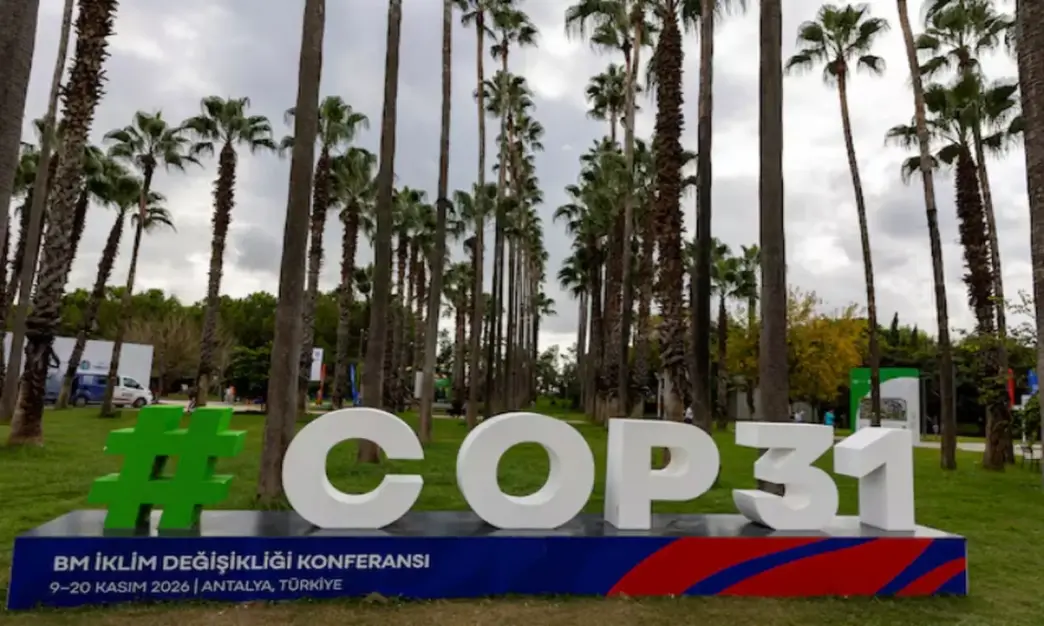
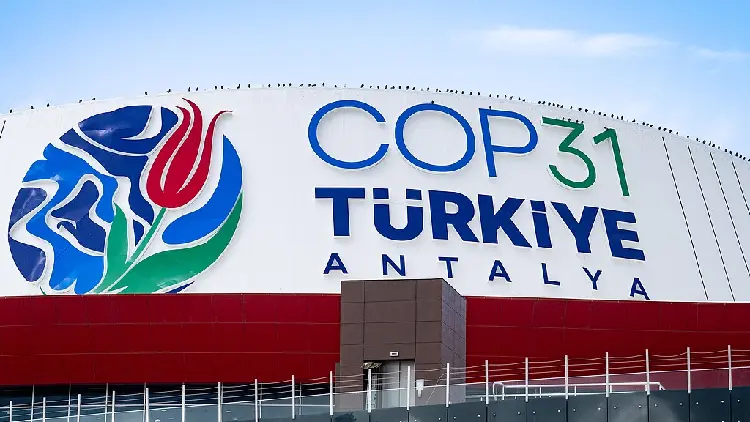
The COP31 climate summit in Turkey has entered a second day of overtime after disagreements over fossil fuels threatened to block a final agreement.
Negotiations continued into Sunday as countries rejected a draft climate deal that removed all references to coal, oil and gas.
The move prompted protests and threats by some nations to walk away from the talks. However, the summit presidency held urgent meetings between opposing sides to reach a compromise.
Read More : Mexico Captures FBI-Listed Drug Kingpin
The European Union and Saudi Arabia, which remain divided over the future of fossil fuels, were brought together to find common ground.
At a plenary session early on Sunday, COP31 President and Turkish Environment Minister Murat Kurum said a third and final draft would be sent to delegates for review. He gave negotiators until 6:00 am local time to agree on the text, after which a closing plenary would be held.
“We ask you to look at this decision carefully,” Kurum said. “We are closer than ever to agreement on the remaining issues.”
However, the European Union’s climate envoy, Wopke Hoekstra, warned on Saturday that countries should not accept a weak agreement.
“It’s better to have no deal than to have a bad deal,” he said.
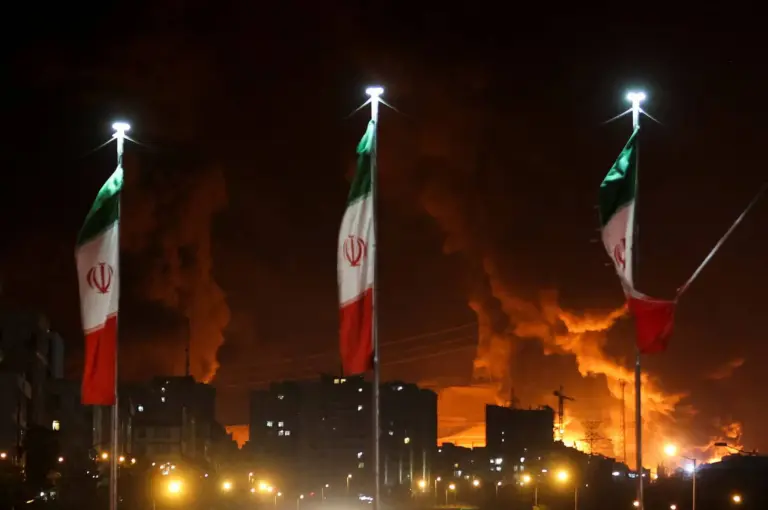
Expectations for a major breakthrough in Antalya have remained low. Countries are dealing with an oil price shock and rising geopolitical tensions linked to the war in Iran.
The talks are also taking place after a series of climate-related disasters across Europe, Nepal and Indonesia. A super El Niño pattern has further increased concerns about extreme weather.
An earlier draft released this week called for a faster move away from fossil fuels. However, a revised version published on Thursday removed all references to coal, oil and gas. The decision drew strong criticism from countries vulnerable to climate change.
Tuvalu’s Climate Minister, Maina Talia, said the omission was unacceptable to his country, which faces rising sea levels.
“That’s a red line for us. We’re talking about the root cause of all of this,” he said.
Talia warned that the talks would have little value if countries failed to address fossil fuels.
“Then we are wasting our time here,” he added.
Ireland’s Climate Minister, Darragh O’Brien, said about 130 countries at the summit wanted at least a reference to fossil fuels and a plan to phase them out in the final agreement.
Another point of disagreement is a proposal to expand carbon capture technology. The technology, which is supported by parts of the fossil fuel industry, aims to capture carbon dioxide emissions before they enter the atmosphere.
However, critics say it is expensive and has achieved limited results in reducing emissions. They also warn that it could allow countries to continue using fossil fuels.
Li Shuo, an analyst at the Asia Society Policy Institute, said the main disagreement remained between the European Union and Saudi Arabia over fossil fuels and carbon capture.
Panama’s Environment Minister, Juan Carlos Navarro, also threatened to reject a weak agreement. He accused a “petroleum mafia” of holding the world hostage.
To address concerns over fossil fuels, Turkey and Australia have proposed a global shift towards electrification. The plan aims to replace technologies that burn fossil fuels directly, such as diesel cars and gas heating, with electric alternatives. The latest draft proposes increasing electricity’s share of global energy consumption to 35 per cent by 2035.
However, it does not require the additional electricity to come from renewable sources. This has led some countries to demand a clear target for clean electrification. Coal currently accounts for about one-third of global electricity generation, while fossil gas provides another fifth.
Disagreements have also emerged over plans for future climate science reports. Saudi Arabia, India and Kenya have sought to delay the next reports by the United Nations Intergovernmental Panel on Climate Change.
Countries are also divided over how to respond to the risk of exceeding the 1.5-degree Celsius warming limit set under the Paris climate agreement.
The latest draft expressed “deep concern” about the possibility of missing the target. However, it removed an earlier call to bring global warming back below 1.5 degrees Celsius as soon as possible this century.
Read More : EU, Indonesia Sign Trade Deal After 10 Years
Meanwhile, developing countries have criticised wealthy nations over climate finance.
They argue that richer countries are not providing enough support to help vulnerable nations deal with rising temperatures and extreme weather.
The removal of a proposed $120 billion annual climate adaptation finance target from the latest draft has further angered developing countries.