Trending
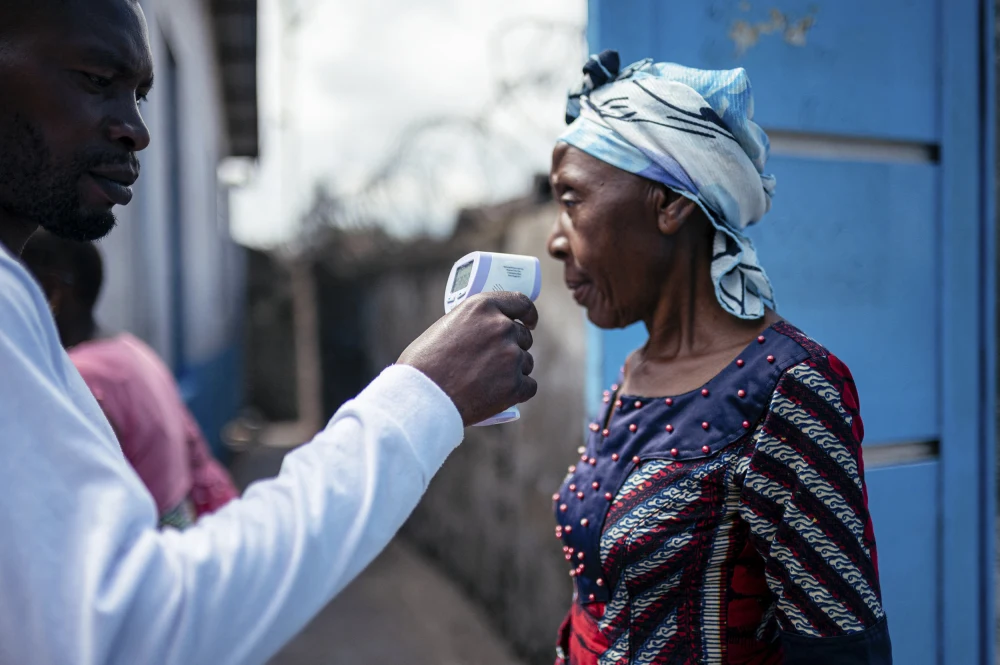
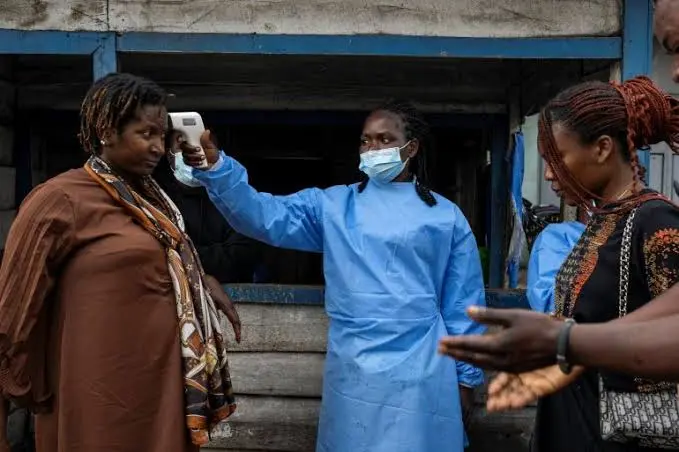
The Africa Centres for Disease Control and Prevention (Africa CDC) has declared the Ebola outbreak in the Democratic Republic of the Congo and Uganda a Continental Public Health Emergency.
No fewer than 131 people have died in the Democratic Republic of the Congo in an Ebola outbreak that has gained global attention.
The Africa CDC, in a statement issued on Monday, expressed concern over the spread of the disease.
Read More : Africa Targets Cheaper Cross-Border Flights
“Africa CDC expresses deep concern about the high risk of regional spread due to intense cross-border population movements, mobility related to mining activities, insecurity in affected areas, weak infection prevention and control measures, and the proximity of affected areas to Rwanda and South Sudan,” it said.
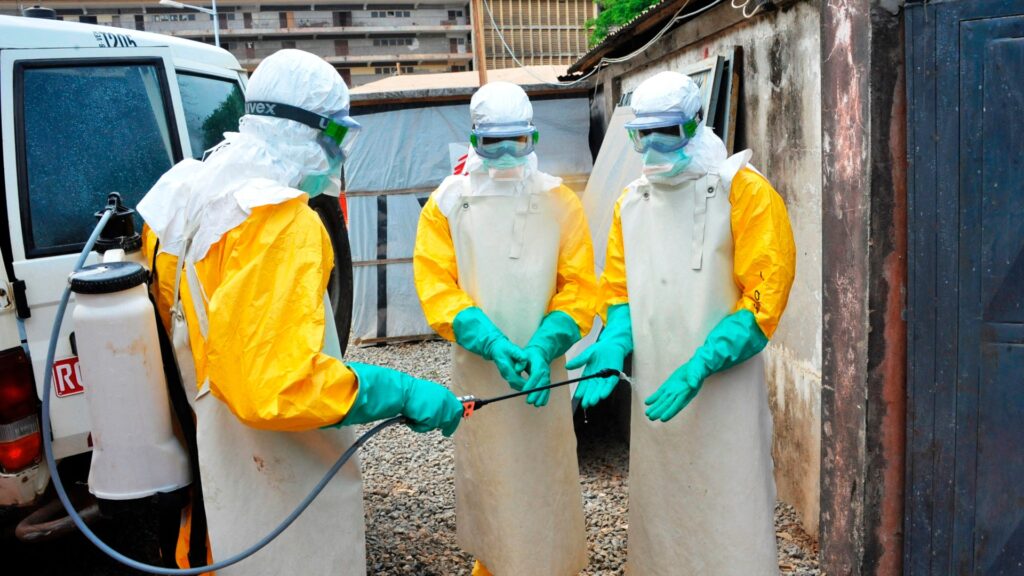
Its statement comes two days after the World Health Organisation (WHO) declared Ebola a global public health emergency. The Africa CDC said it would mobilise additional resources, including emergency response teams and surveillance operations, to manage the outbreak.
The agency added that it was collaborating with the WHO to strengthen coordination, building on response efforts developed during recent mpox and cholera outbreaks.
“This outbreak is occurring in one of the continent’s most complex operational environments, marked by insecurity, population mobility, fragile health systems, and the limited availability of medical countermeasures for Bundibugyo strain Ebola virus disease,” said Africa CDC head Jean Kaseya.
Ebola virus spreads from person to person through bodily fluids or exposure to the blood of an infected person, who becomes contagious only after symptoms appear. The incubation period can last up to 21 days.