Trending
Africa’s long fight against sleeping sickness could be nearing a major breakthrough, following new international regulatory support for a single-dose treatment.
The drug, acoziborole, received a positive scientific opinion on February 27, 2026, from the Committee for Medicinal Products for Human Use of the European Medicines Agency. The development opens the door for national regulatory authorities in countries where the disease is still prevalent to begin their own approval procedures.
The recommendation was issued under the EU-M4all programme, a regulatory framework designed to expedite access to medicines primarily intended for use outside the European Union. Through this process, European regulators conduct scientific evaluations that can support approval decisions in countries dealing with significant public health challenges.
Public health experts say the straightforward nature of the treatment could significantly improve efforts to combat sleeping sickness, as it would allow frontline health workers to diagnose and treat patients during a single visit.
“The simplicity of acoziborole will allow health workers to test and cure patients in the same visit, which is a game changer for rural programmes,” said Erick Miaka, head of the National Sleeping Sickness Control Programme in the Democratic Republic of Congo.
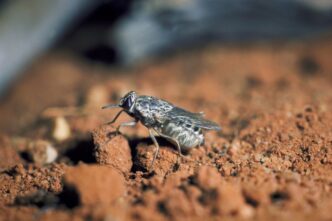
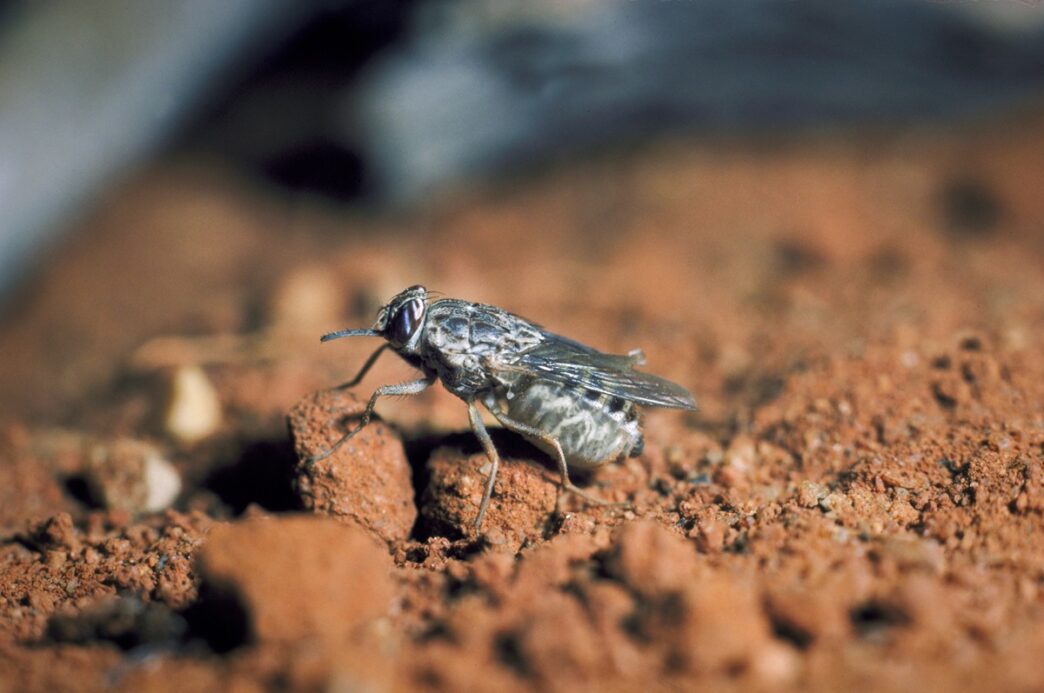
Sleeping sickness, formally known as human African trypanosomiasis, is a parasitic disease transmitted by the bite of infected tsetse flies. The illness attacks the central nervous system and is almost always fatal if left untreated. For much of the past century, treating the disease often meant confronting an impossible choice.
The only available therapy for advanced infections was an arsenic-based injection so toxic that it killed roughly five percent of patients who received it, according to the Drugs for Neglected Diseases initiative.
Doctors administered the treatment because the alternative was certain death. Untreated infections gradually invade the brain, causing neurological damage, severe sleep disruption, confusion and eventually coma. Over the past two decades, however, a coordinated campaign involving African governments, research institutions, international health organisations and pharmaceutical partners has steadily reduced the disease’s footprint. Reported cases of gambiense sleeping sickness have fallen dramatically, from more than 27,000 cases in 1999 to just 546 cases reported across Africa in 2024, according to data from the World Health Organisation.
Researchers say the true number of infections in the late 1990s was likely far higher. Health experts estimate that as many as 300,000 people may have been living with the disease during the peak years of the epidemic, many undiagnosed in remote rural areas. The steady decline reflects improved surveillance, expanded screening campaigns and the introduction of progressively safer treatments. A major step came in 2009 with the rollout of NECT, a combination therapy that replaced older arsenic-based drugs and dramatically improved survival rates for patients in the advanced stage of the disease.
Another milestone followed in 2018 with the introduction of fexinidazole, the first oral treatment for sleeping sickness, developed through collaboration between the Drugs for Neglected Diseases initiative and the pharmaceutical company Sanofi.
Fexinidazole allowed patients to avoid prolonged hospital stays and painful intravenous injections. However, the medicine still required a 10-day course of treatment, creating logistical challenges for health workers operating in remote areas.
Acoziborole now promises to remove even that final barrier.
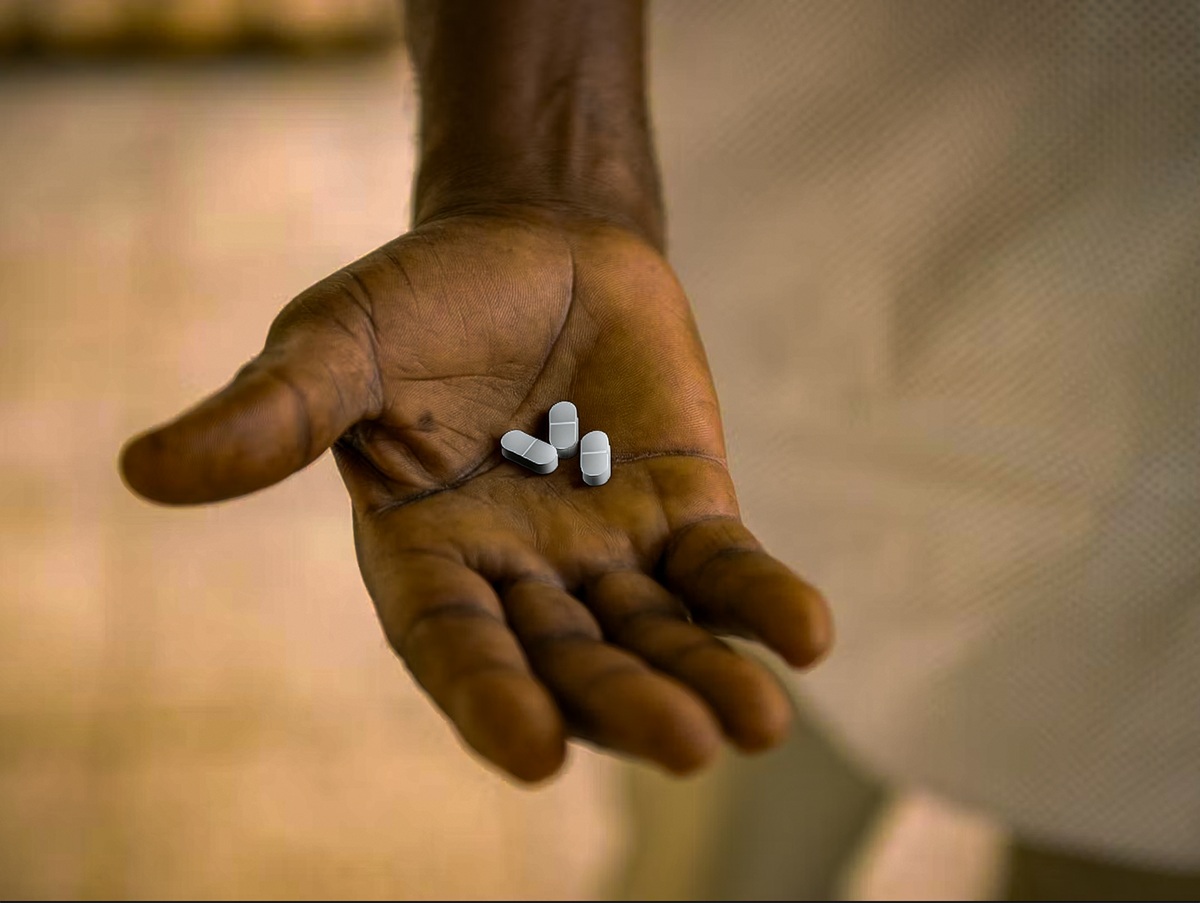
The medicine is administered as a single dose of three tablets and is indicated for adults and adolescents aged 12 years and older who weigh at least 40 kilograms. Because the treatment is taken once, it eliminates the need for lengthy hospital supervision and simplifies delivery in remote settings.
Evidence supporting the therapy comes from a Phase II/III clinical study conducted in the Democratic Republic of Congo and Guinea. The trial enrolled 208 adult and adolescent patients and followed them for 18 months.
The results showed treatment success rates of about 95 percent among patients with late-stage disease and 100 percent among those in earlier stages, according to the European Medicines Agency’s scientific assessment.
Those findings have raised hopes that the drug could accelerate Africa’s progress toward eliminating the disease entirely.
Human African trypanosomiasis exists in two forms, but the gambiense variant accounts for more than 90 percent of infections worldwide and is found primarily in West and Central Africa.
Unlike many infectious diseases, humans are the main reservoir for this form of the parasite. That biological characteristic means elimination becomes achievable if transmission is interrupted and infected individuals are treated quickly.
Public health campaigns across Africa have already pushed the disease to the brink in several countries.
Large-scale screening programmes have been conducted in endemic regions of the Democratic Republic of Congo, Chad, South Sudan and the Central African Republic, identifying cases early and reducing transmission.
Mobile medical teams often travel for days through remote areas to test communities where only a handful of infections may still occur each year.
Under these conditions, complex treatment regimens can slow progress because patients must travel long distances to specialised health facilities or remain under medical supervision.
A single-dose therapy could fundamentally change that equation.
Instead of transporting patients long distances for treatment, health workers would be able to diagnose and treat cases during the same visit, dramatically simplifying disease control campaigns.
The development of acoziborole also highlights Africa’s growing role in clinical research for neglected diseases.
Trials for the drug were conducted in partnership with African research institutions and national disease control programmes. Local researchers and health workers helped run clinical studies, monitor safety and test whether the treatment could be delivered effectively in real-world conditions.
This collaborative model has become central to innovation in neglected tropical diseases, where treatments must be designed for use in rural settings with limited medical infrastructure.
The programme behind acoziborole was led by the Drugs for Neglected Diseases initiative in collaboration with Sanofi, which has pledged to donate the medicine for use in endemic countries through the World Health Organisation’s distribution mechanisms.
That commitment ensures the treatment will be available to patients free of charge once national regulatory approvals are completed.
The breakthrough represents the culmination of decades of work by scientists, clinicians and health workers across Africa.
“In just two decades, we have moved from extremely toxic treatments to a single-day therapy that could help end sleeping sickness,” said Luis Pizarro, executive director of the Drugs for Neglected Diseases initiative.
Global health authorities have set a target of eliminating Gambiense sleeping sickness as a public health problem by 2030.
With fewer than 600 cases now reported annually, that goal is increasingly within reach.
Credit: Bonface Orucho, Bird Story Agency.