Trending
Wealth is increasingly shaping African politics and determining who gets a seat at the table, shutting many economically disadvantaged people out of attaining political office.
The figures support this. Research by the Ghana Centre for Democratic Development revealed that it can cost $693,000 to win and retain a single parliamentary seat in Ghana.
The reality is similar in Nigeria. The West African country’s anti-graft agency, the Economic and Financial Crimes Commission (EFCC), revealed in June that some governorship aspirants spend between N20 billion and N30 billion ($14.5 million – $21.8 million) to secure electoral victory.
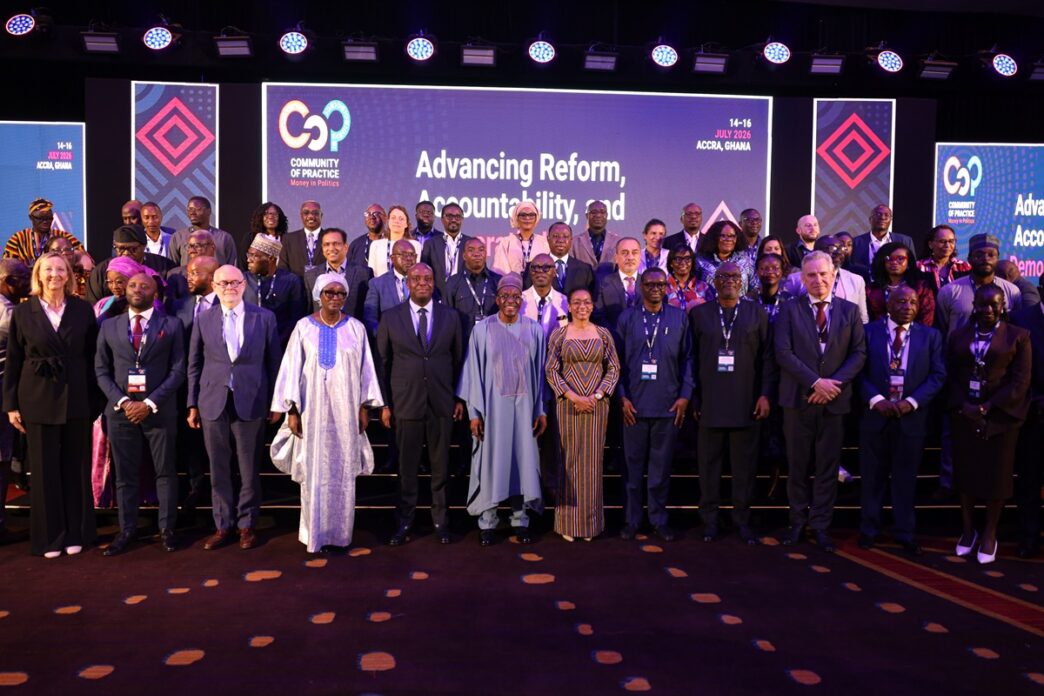
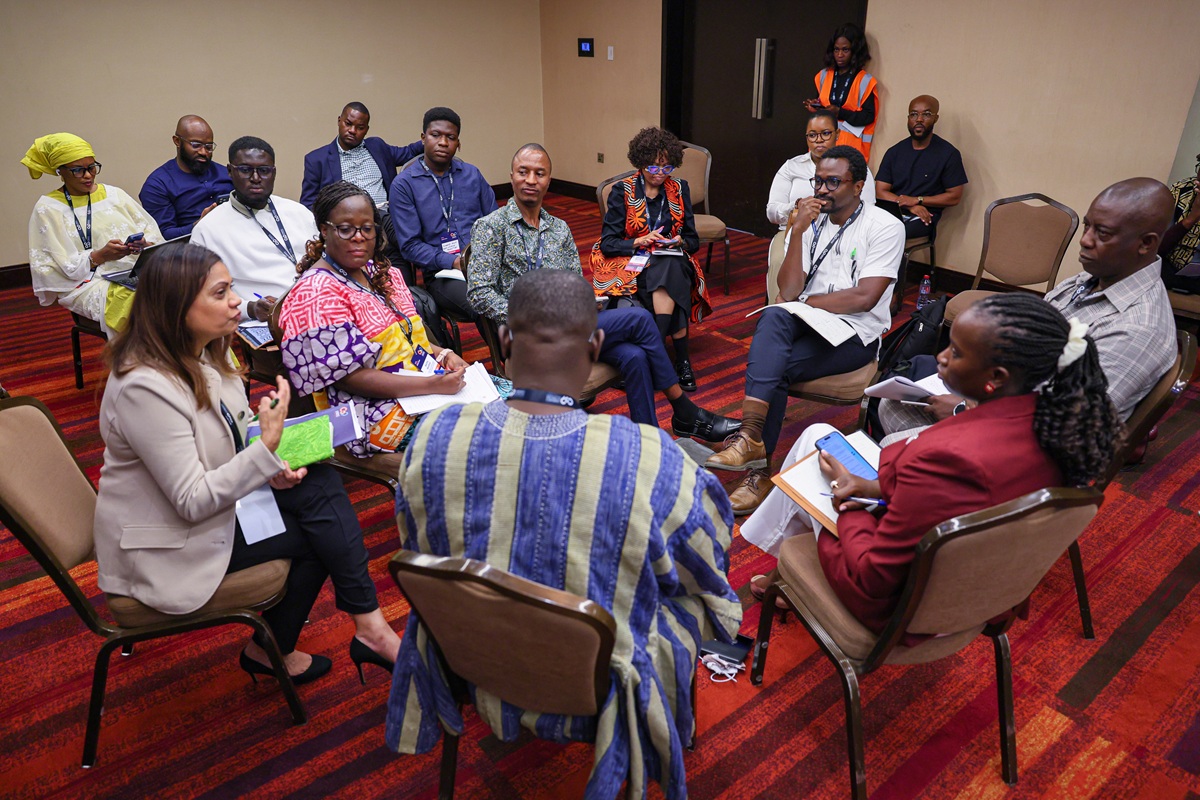
Concern over the increasing role of money in politics has now taken centre stage at the High-Level Regional Convening on the Financialisation of Politics in Africa, where civil society representatives and policymakers have converged to discuss how wealth shapes politics.
The conference was organised by the African Union Advisory Board Against Corruption (AUABC)’s Community of Practice on Political Finance in Africa, the Ghana Centre for Democratic Development (CDD-Ghana), the Open Society Foundations and Transparency International in Ghana’s capital city, Accra.
Now in its second day, the conference, themed “Advancing Reform, Transparency, Accountability and Democratic Integrity,” brought together anti-corruption advocates and African leaders to discuss campaign finance and to propose reforms to curb the growing influence of money in politics.
Communication specialist, Kathleen Ndongmo, serves as the master of ceremonies at the conference and guides proceedings.
Participants at the conference warned that the growing influence of money in African politics has far-reaching consequences.
The Executive Director of CDD-Ghana, Prof. Henry Kwasi Prempeh, decried the soaring cost of campaigning for elective office.
“Across Africa, the costs of waging a campaign for elective office are soaring. I suspect that the numbers are significantly more than we report, even in party primaries,” said Prempeh.
The Second Vice-President of the Pan-African Parliament, Zanetor Agyeman-Rawlings, linked the rising cost of politics to deepening inequality.
Illicit Funding Weakens Democratic Governance
The impact of money in politics goes beyond shutting many people out of political participation and concentrating power in the hands of a few; it also undermines the purpose of democracy, according to Binaifer Nowrojee, President of the Open Society Foundations.
Nowrojee identified the growing influence of money in politics as one of the major governance challenges.
She said democracy, the system of government designed to ensure everyone has a voice, becomes weaker when political financing is hidden, unregulated or concentrated in the hands of a few.
“Democracy rests on a simple promise — that every citizen’s voice matters. Yet when money is hidden, unregulated, or concentrated in the hands of a few, that promise begins to erode,” said Nowrojee.
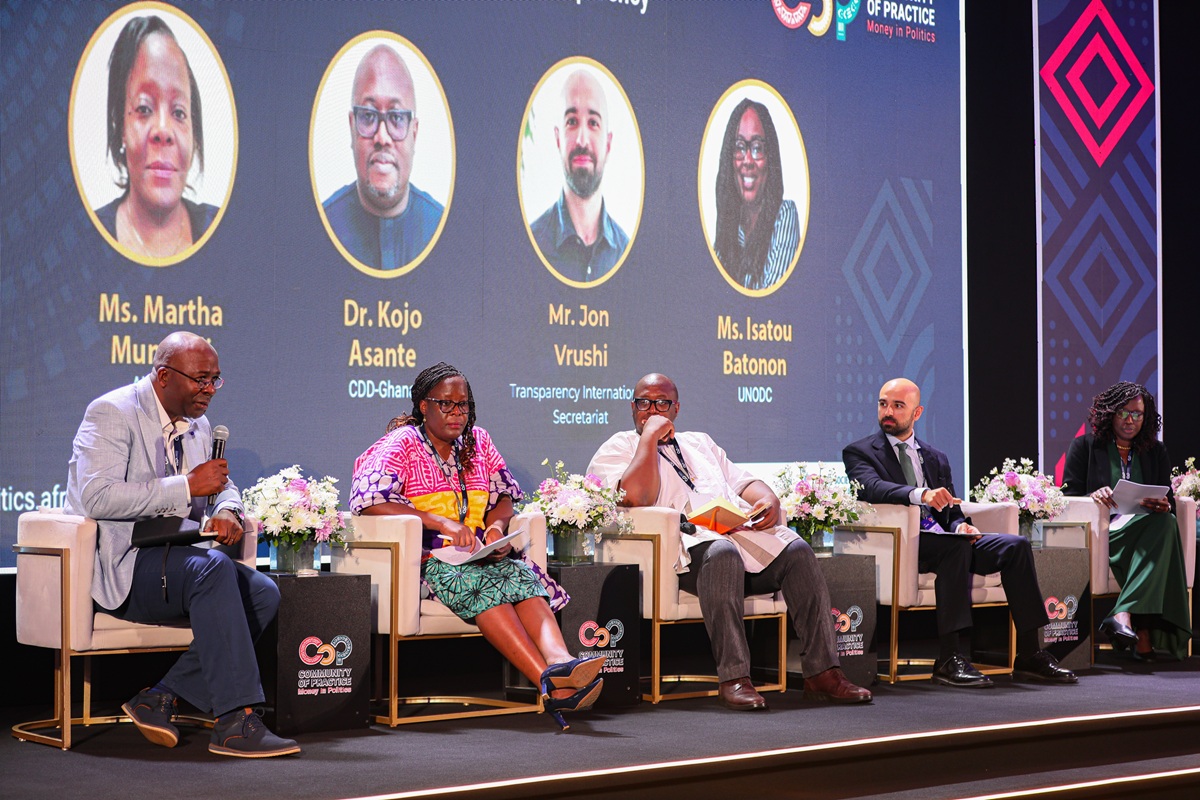
The Chair of the AU Advisory Board Against Corruption, Kwami Edem Senanu, elaborated on this point, focusing on political party funding.
He argued that the sources of the funds political parties use to finance their day-to-day operations, election campaigns, voter mobilisation and other political activities play a critical role in determining the transparency, accountability and fairness of a country’s democratic process.
Nigeria provides a compelling case study of the opportunities and challenges associated with political party financing.
Although the country’s legal framework, particularly the Electoral Act 2022 and the 1999 Constitution (as amended), sets out rules governing campaign finance, financial reporting and candidate spending limits, enforcement has remained weak.
Nigeria’s political landscape is largely financed by wealthy politicians, business elites and influential political godfathers, making electioneering increasingly expensive.
Political parties rely on membership dues, fundraising, donations and contributions from candidates, but concerns persist about undisclosed funding, excessive campaign spending and the use of illicit funds.
Recent reports from Nigeria have alleged that governors elected on the platform of the ruling All Progressives Congress (APC) diverted funds from the Federation Account Allocation Committee (FAAC) to finance President Bola Tinubu’s re-election campaign. The allegations have not been independently verified.
This is not unique to Nigeria. Across Africa, similar patterns exist in which party politics is financed by wealthy politicians, business elites, and influential political godfathers, with reports of public funds diverted to finance election campaigns.
According to Senanu, political party funding is one of the principal entry points for corruption, illicit financial flows and state capture in Africa.
“Opaque, unregulated or illicitly sourced party and campaign finance distorts electoral competitions. It entrenches incumbency advantage and converts public office into a vehicle for private and partisan enrichment,” he said.
“Whilst the sources of party funding are undisclosed, unregulated or drawn from corrupt or criminal proceeds, then political competition ceases to reflect the will of citizens. In this instance, it reflects the interests of some undisclosed financiers, incumbent office holders or transnational illicit networks.”
Experts Urge Reforms
Speakers at the conference stressed that political finance reform is no longer optional but essential to restoring public trust, protecting democratic institutions, and ensuring that leadership is determined by integrity, competence, and service rather than by a candidate’s wealth.
To curb the growing influence of money in politics, the President of the Open Society Foundations advocated transparent disclosure of political funding, equitable public financing, robust oversight, independent enforcement, protection against illicit and foreign influence, and measures to safeguard civic oversight.
For Agyeman-Rawlings, limiting the influence of money in politics will require stronger civic education, greater youth inclusion, and economic empowerment to reduce citizens’ vulnerability to vote-buying.
“Conscious empowered citizens are less likely to be influenced by money. Let’s empower them economically so that our people will act from their hearts and minds rather than their stomachs,” said Agyeman-Rawlings.
Transparency International’s Lead on Political Integrity Policy, Jorge Valladares, also called for stronger safeguards against illicit financing, foreign interference, opaque donations and weak enforcement systems.
The message from the sessions remains clear: safeguarding Africa’s democracy requires elections to be shaped by ideas rather than by financial power.